Beavo Fashion
The Landscape of Japan's Women's Skirt Market: Trends, Challenges, and Sourcing Mechanics
An in-depth analysis of user intent, consumer behavior, and supply chain logistics for B2B procurement officers.
For global fashion brands and sourcing executives, identifying the right women's skirts manufacturers in Japan or finding a partner capable of executing to Japanese quality standards is a critical strategic decision. The Japanese apparel market is recognized worldwide for its demanding quality benchmarks, aesthetic refinement, and distinct consumption patterns. From the historic fashion quarters of Harajuku and Ginza to modern corporate headquarters in Tokyo and Osaka, women's skirts are not merely garments; they represent a blend of historical craftsmanship, modern functional fabric technologies, and precise tailoring.
Industrial and Commercial Status of Apparel Manufacturing in Japan
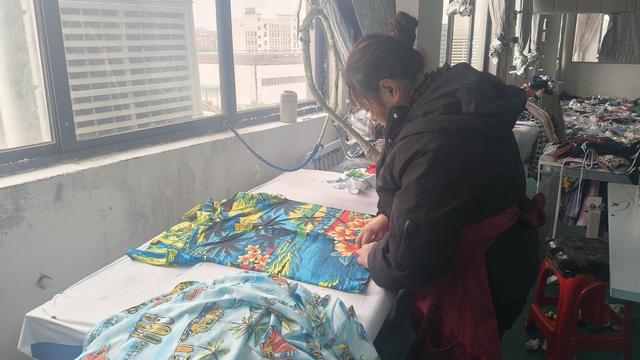
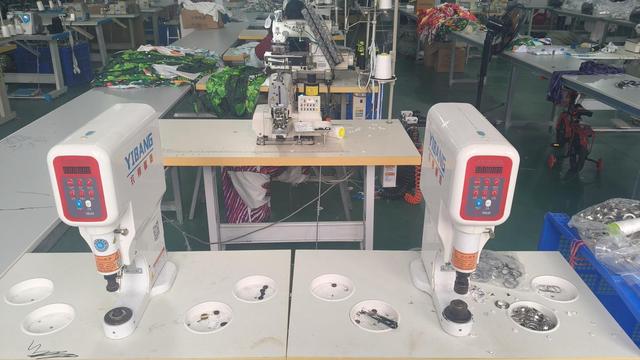
The domestic apparel manufacturing sector within Japan has shifted significantly over the past three decades. While traditional manufacturing prefectures such as Okayama (famous for denim manufacturing) and Gifu continue to produce high-value, artisanal garments, high labor costs and aging demographics have led to a contraction in local capacity. Today, Japanese apparel brands rely on a hybrid sourcing model: prototyping and ultra-luxury limited runs are manufactured locally in Japan, while scalable commercial volumes are outsourced to highly optimized facilities in coastal China, particularly in regions like Guangzhou that feature integrated textile ecosystems.
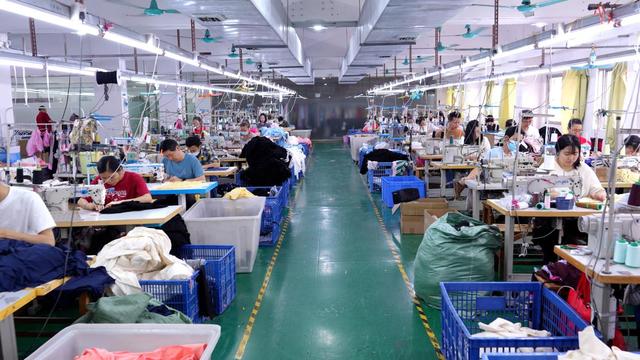
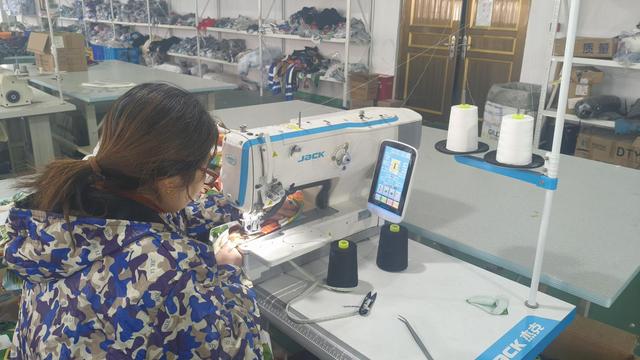
This hybrid model demands that offshore manufacturers implement identical quality control processes to Japanese domestic factories. This includes adhering to strict needle-detection protocols, formal chemical safety tests (under the Japanese Household Goods Quality Labeling Act), and meticulous seam-allowance measurements. Guangzhou Beavo Fashion Co., Ltd. has bridged this gap by combining Chinese supply chain agility with the strict craftsmanship requirements of Japanese fashion houses.
Zero-Defect Quality Control
Our standard manufacturing processes align with the strict QA requirements of Japan's top retail groups, employing multi-stage needle detection and rigorous thread-tension testing.
Functional Textile Application
Integration of advanced fabrics, including moisture-wicking synthetic blends, anti-static linings, and eco-certified organic cotton to meet consumer preferences.
Optimized Production Cycles
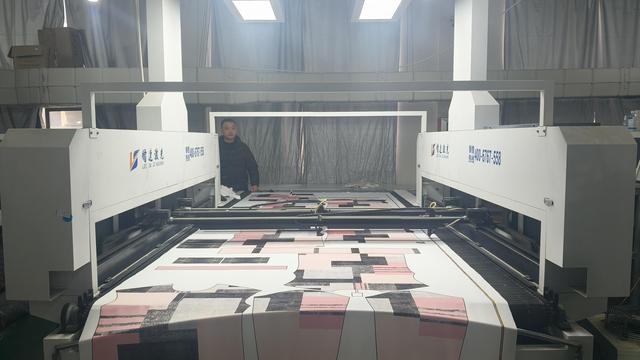
Flexible manufacturing lines capable of rapid prototyping within 3-5 days, supporting modern lean inventory strategies and reduced market risk.
Key Market Drivers & Consumer Search Intent
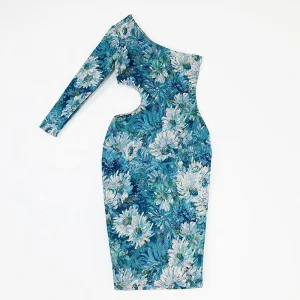
Search intent analysis reveals that professional buyers searching for women's skirts manufacturers in Japan are prioritising specific capabilities: fabric innovation (such as wrinkle-resistant, machine-washable pleated designs), low minimum order quantities (MOQs) for test runs, and transparent sustainability practices. Our database shows that the modern consumer segment in Tokyo demands skirts that transition smoothly from executive office roles to casual social settings. Consequently, manufacturers must master complex pattern-making processes for garments like A-line skirts, high-waisted pencil skirts, and asymmetric midi skirts that offer comfort without compromising professional aesthetics.