Adapting to global market dynamics requires apparel manufacturing partners that offer more than basic assembly. Discover our industrial footprint and strategic capabilities.
Guangzhou Beavo Fashion Co., Ltd. stands as a premier Women's Clothing Manufacturer, Custom Fashion Apparel Supplier, and OEM/ODM Garment Factory. Strategically headquartered in Guangzhou, China, our modern facility spans over 8,000 square meters. Our infrastructure features automated cutting rooms, modern assembly lines, and high-performance quality-assurance stations designed to process highly complex apparel profiles.
For more than a decade, we have supported B2B procurement professionals, fashion brands, wholesalers, and fast-growth e-commerce operations. By employing 180+ experienced pattern makers, operators, and quality compliance inspectors, Beavo Fashion delivers scalable manufacturing programs that bridge the gap between design concepts and market-ready products.
Modern global brands require deep diversification. We manage material portfolios that extend across cotton blends, technical synthetic fibers, eco-friendly rayon, flax line, and premium silk configurations. Our supply chain handles complex structural processes including custom knit gauges, complex embroidery, precise pleating, and high-durability print applications.
By integrating raw fabric sourcing directly within the Pearl River Delta textile cluster, we secure low lead times and competitive pricing structures. Our operations are tailored to optimize the total cost of ownership (TCO) for global fashion buyers, helping them navigate volatile shipping schedules and changing consumer trends.
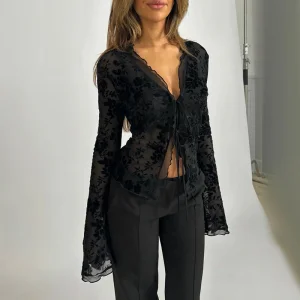
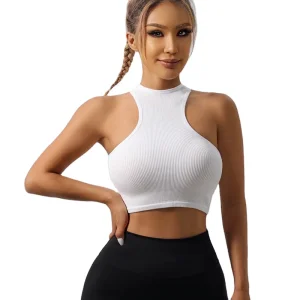
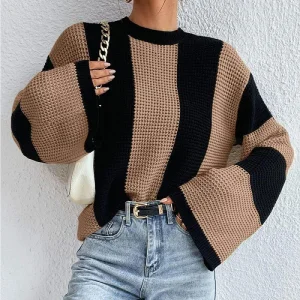
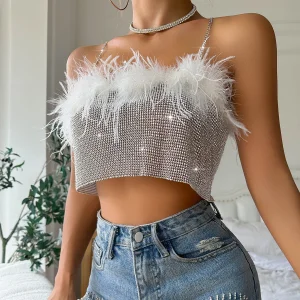
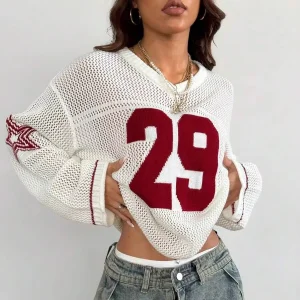
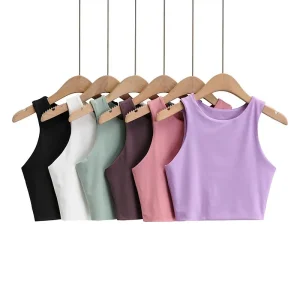
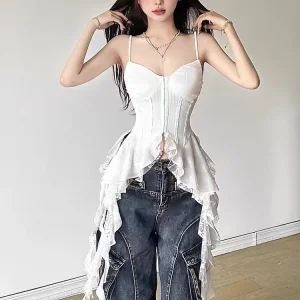
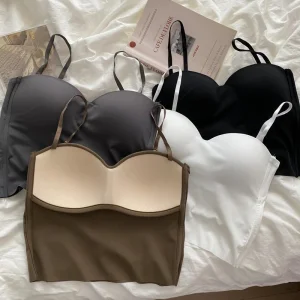
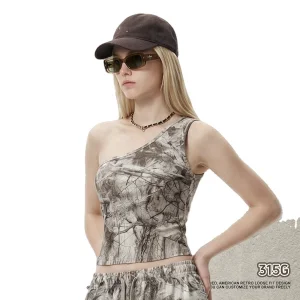
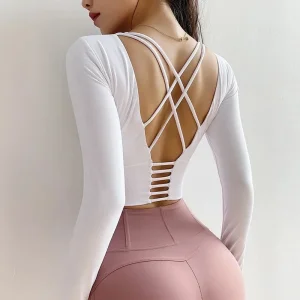
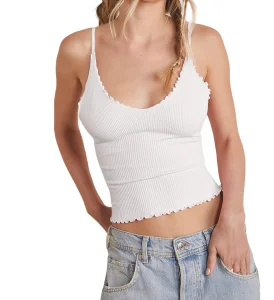
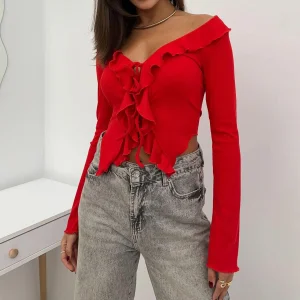
Explore our highly engineered apparel configurations, highlighting fabric stability, stitching precision, and modern styling.
Critical considerations for professional apparel buyers navigating global logistics, material performance, and compliance.
B2B buyers are balancing production across multiple regions to manage risks. While basic cut-and-sew operations move to emerging markets, high-end tops requiring complex draping, fine lace inserts, structured support, and fast-turn timelines remain concentrated in Guangzhou. This hub offers deep raw material access and advanced technical capacity.
Regulatory frameworks such as REACH (EU) and CPSIA (US) demand rigorous testing for chemical residues and heavy metals in dyes. Importers require Oeko-Tex Standard 100 certification to clear customs smoothly and satisfy consumer demand for safe, sustainable, and skin-friendly textiles.
Social compliance auditing, including BSCI and Sedex certifications, is now a standard requirement for major retail supply chains. Buyers need verified documentation of fair labor practices, safe working environments, and transparent production logs before onboarding new factories.
Addressing fashion seasonality and market volatility with highly responsive production models.
Traditional long-lead sourcing exposes brands to high inventory liabilities. Our micro-batch initial orders (low MOQ runs) allow brands to test market demand before committing to larger production volumes. This demand-driven approach reduces excess inventory and markdowns.
Once a product is validated, our automated supply replenishment program kicks in. Using pre-positioned fabrics, we can complete re-orders within 10 to 14 days, helping retailers capture seasonal sales peaks.
We work directly with spinning mills and dye houses, allowing us to customize fabrics from the yarn stage. We verify yarn count, weight consistency (GSM), colorfastness to light and washing, and fiber elastic recovery.
This close integration lets us develop specialized textiles, including high-stretch spandex blends, breathable ice silks, and moisture-wicking activewear fabrics. These materials meet precise performance specifications for yoga and athletic brands.
How we integrate advanced digital design and automated machinery to drive precision and efficiency.
Our designers utilize advanced CAD systems and 3D modeling software to transform tech packs into digital garments. This step reduces sample iterations, accelerates the approval process, and minimizes fabric waste before cutting begins.
Computer-guided laser and blade cutters read digital pattern files to cut fabrics with high precision. This technology maintains design dimensions across large runs and keeps cut-margin deviations below 1mm.
We organize our sewing lines into modular cells. Operators use specialized machinery, including overlockers, flatlocks, and coverstitch machines, to handle specific fabric types and structural seams.
Quality control checkpoints are integrated at the end of each assembly line. Inspectors log data into our ERP system, allowing us to track defect rates, isolate issues, and verify that finished goods meet specifications.
A closer look at the machinery, production floors, and shipping operations that power our global supply chain.
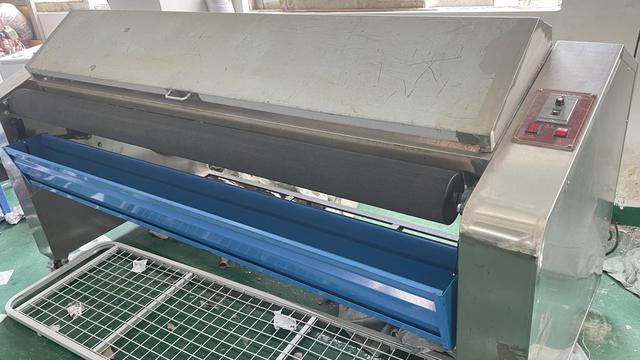
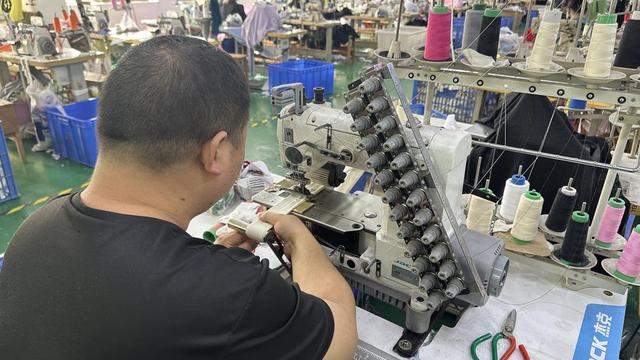
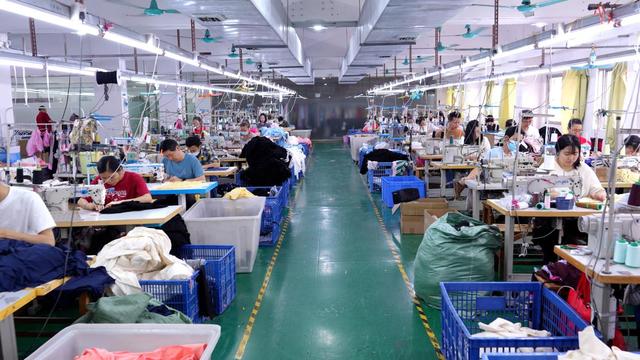
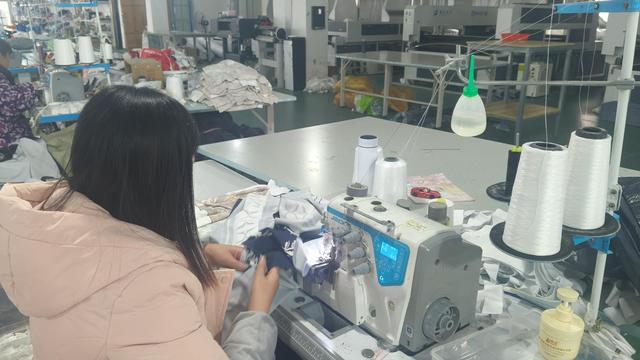
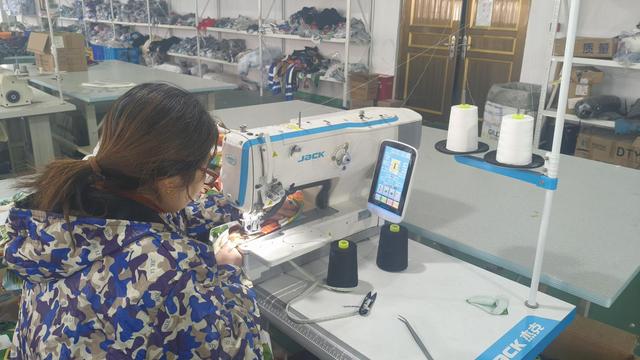
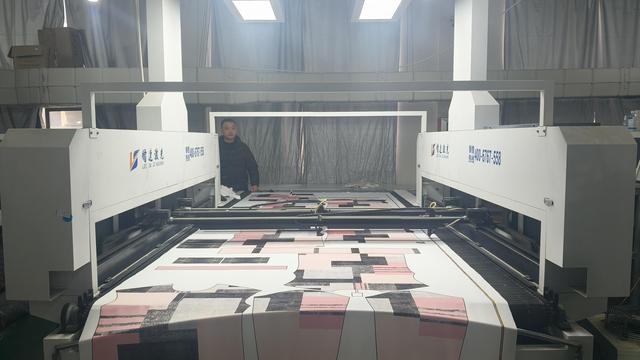
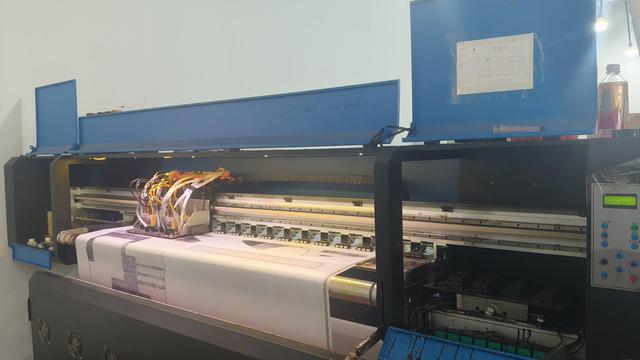
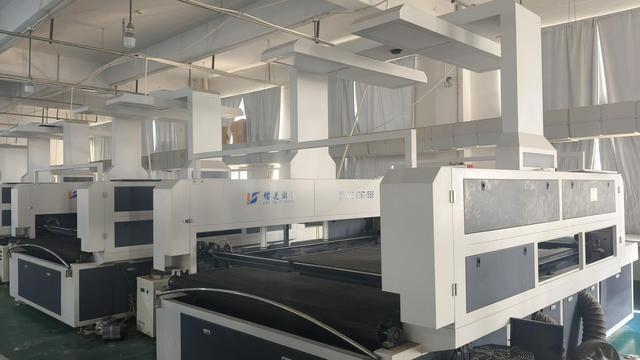
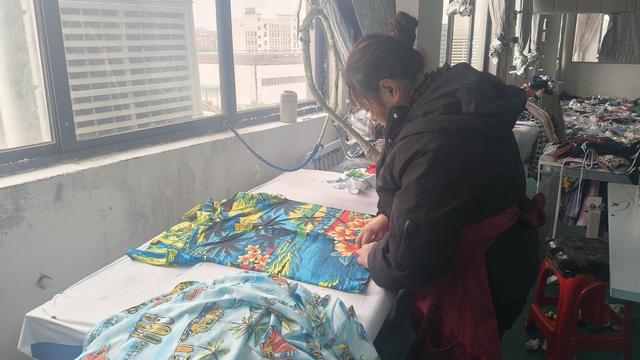
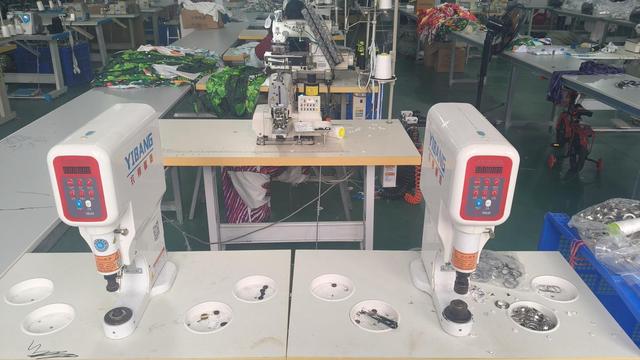
An objective analysis of textile manufacturing hubs, highlighting differences in lead times, quality control, and supply chain ecosystems.
Guangzhou remains a leading destination for complex women's apparel production. The region features integrated supply chains where fabric mills, accessory providers, pattern makers, and logistics firms operate in close proximity. This concentration allows factories to source specialized components quickly.
In contrast, emerging manufacturing hubs in Southeast Asia often import their raw fabrics and accessories from China, which can add weeks to production timelines. For fashion items with short lifecycles, Guangzhou's local supply chain helps brands bring products to market faster.
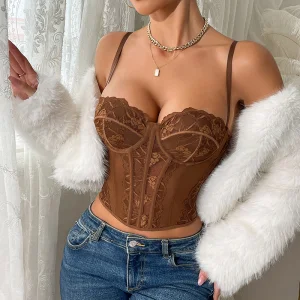
Complex women's tops—including structured corsets, lined chiffon blouses, and multi-layer knits—require skilled operators to minimize defects. Guangzhou's textile workforce possesses the technical expertise needed for precise stitching and handling delicate fabrics.
Additionally, local factories use automated equipment that improves consistency across high-volume production runs. This balance of skilled labor and automation helps brands maintain stable quality standards.
How we help international buyers manage import-export compliance, quality inspections, and logistical workflows.
Detailed answers to key operational questions regarding custom manufacturing, lead times, and partnerships.
Our standard MOQ for custom (OEM/ODM) designs ranges from 100 to 300 pieces per style, depending on fabric availability and complexity. If you select fabrics from our in-stock catalogs, we can often support smaller initial production runs to help you test the market.
We typically complete prototype samples within 7 to 10 days of receiving your tech pack. Once the pre-production sample is approved, bulk manufacturing generally takes 20 to 35 days, depending on order volume and style complexity.
We source our raw materials from certified suppliers and can provide fabrics that meet Oeko-Tex Standard 100, REACH, and CPSIA requirements. We also arrange independent third-party laboratory tests (such as SGS or Intertek) upon request to confirm compliance.
Yes. We offer complete private label services, including custom woven labels, printed care tags, hangtags, and branded packaging (such as biodegradable polybags). You can provide your designs, or our team can assist in creating layout files according to your guidelines.
We follow strict quality procedures, including raw material inspection, in-line inspections at multiple stages of sewing, and a final pre-shipment audit based on AQL 2.5 standards. This approach ensures consistent measurements, seam strength, and finishing across your order.
We work with established freight forwarders to manage shipping by sea, air, or express. We handle export clearances in China and provide the necessary documentation—including packing lists, invoices, and certificates of origin—to support your local import clearance process.
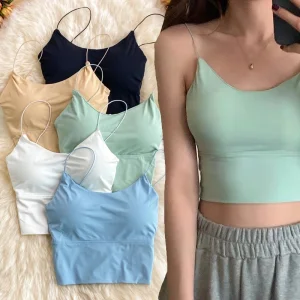
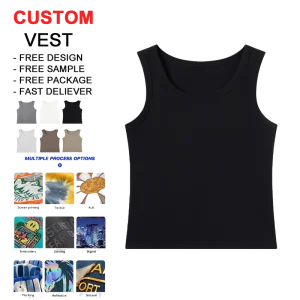
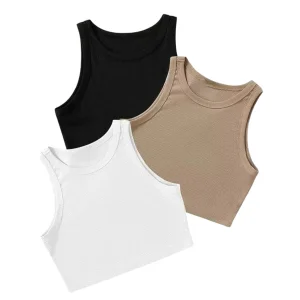
Explore additional styles from our catalog, featuring lightweight tank tops, casual knits, and functional activewear.
 Beavo Fashion