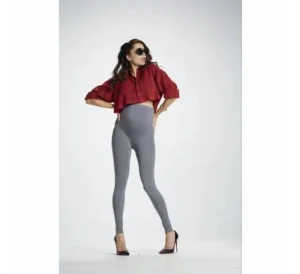
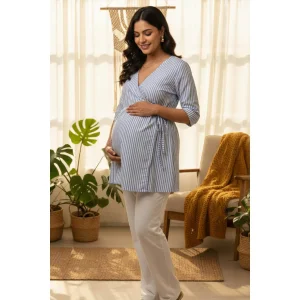
Engineered with adaptive sizing, premium raw fibers, and functional nursing panels to satisfy the high expectations of the US consumer landscape.
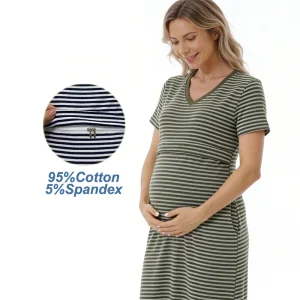
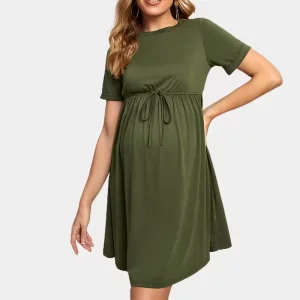
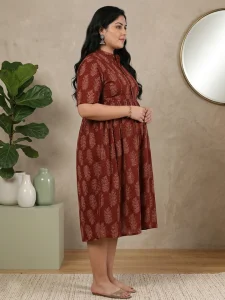
The US maternity apparel market is undergoing a significant paradigm shift driven by demographic updates, evolving workplace dynamics, and direct-to-consumer (DTC) expectations. In an era where comfort-first utility intersects with high-fashion aesthetics, millennial and Gen-Z mothers are demanding multi-functional, sustainably sourced, and highly durable options.
According to recent retail data, US consumer search intent shows a 140% increase in queries relating to "sustainable maternity wear," "bamboo maternity leggings," and "transitional postpartum clothing." Brands that fail to provide high elastane recovery, OEKO-TEX certified skin-friendly textiles, and integrated nursing panels risk losing market share to agile digitally native vertical brands (DNVBs).
Get Market AssessmentSteady compounding annual growth rate driven by high demand for hybrid working activewear and casual knit dresses.
Percentage of expectant mothers prioritizing breathable, anti-microbial natural fiber blends in their daily apparel.
US consumer standard demanding recovery elasticity that adapts from trimester 1 through postpartum recovery.
Strict adherence to US consumer safety standards, ensuring lead-free and chemical-safe dyes on fabrics.
Unlocking operational efficiency, advanced fabrication, and rigorous quality management with Guangzhou Beavo Fashion Co., Ltd.
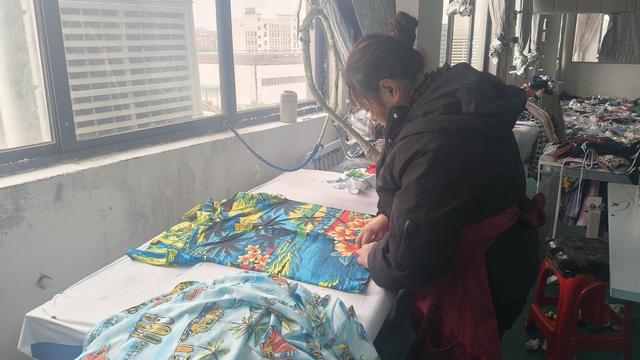
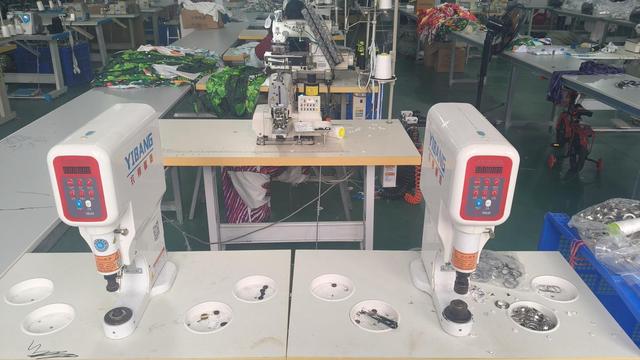
Established in 2012, our state-of-the-art facility spans over 8,000 square meters in Guangzhou, China. We utilize automated cutting tables and precision sewing machineries to achieve structural excellence in complex maternity pattern draping.
Backed by over 180 highly skilled employees, including experienced pattern makers, master tailors, quality control specialists, and research & development engineers trained specifically in stretch management and seamless technology.
Integrated supply chains ensuring compliance with US physical and chemical safety protocols. From non-toxic dyes to lead-free zippers and snaps, our products comply with heavy metal and chemical-free guidelines for maternal safety.
In the highly regulated United States apparel sector, sourcing maternity garments involves unique technical challenges. Unlike standard women’s fashion, maternity clothes are classified under developmental and functional apparel. They must accommodate radical physical shifts over a nine-month gestational timeline, meaning fabrics require superior tensile strength, recovery memory, and moisture management properties.
“Sourcing maternity wear for the US market requires moving away from generic fabric specifications. Success lies in utilizing specialized blends like long-staple organic cotton, high-density bamboo viscose, and interlock polyamide weaves that guarantee structural stability and zero transparency under tension.”
Expectant mothers suffer from heightened thermal sensitivity. Consequently, fabric composition is the primary purchase driver for US customers. Sourcing professionals must focus on natural micro-fibers. Bamboo-derived viscose has emerged as an industry favorite due to its natural cross-section structure, making it highly breathable, naturally hypoallergenic, and moisture-wicking.
To ensure leggings and under-belly panels retain their fit without causing construction fatigue or vascular restriction, we employ a spandex composition of 8% to 15%. Combined with circular knitting technology, this provides true 4-way stretch, reducing pressure on the gravid abdomen while providing necessary orthopedic support.
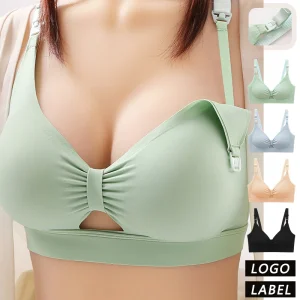
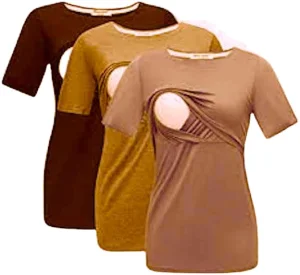
US consumers are demanding value-driven, multi-stage clothing. The distinction between prenatal and postnatal clothing is blurring. Modern designs require integrated, hidden nursing interfaces—such as invisible zippers, crossover necklines, or drop-down cup clips—allowing a garment to transition smoothly from gestation to lactation.
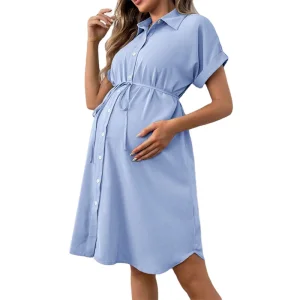
By engineering styles with dual-function patterns, we help US brands lower return rates and build strong customer loyalty. A dress designed for maternity is optimized to look structured and natural when worn post-pregnancy, increasing the lifecycle of the product and aligning with the modern US push toward sustainable consumption.
For US buyers, speed-to-market is crucial. Managing bulk production with fluctuating market demand requires a highly responsive manufacturing model. Located in Guangzhou, the global hub of apparel manufacturing, Guangzhou Beavo Fashion Co., Ltd. enjoys unparalleled access to raw materials and shipping infrastructure.
We solve the traditional logistics gap by offering flexible production models. From rapid CAD prototyping and electronic sample approval to shipping through direct express lanes and consolidated maritime freight, we ensure transit from our factory to US ports or Amazon FBA distribution hubs is highly optimized.
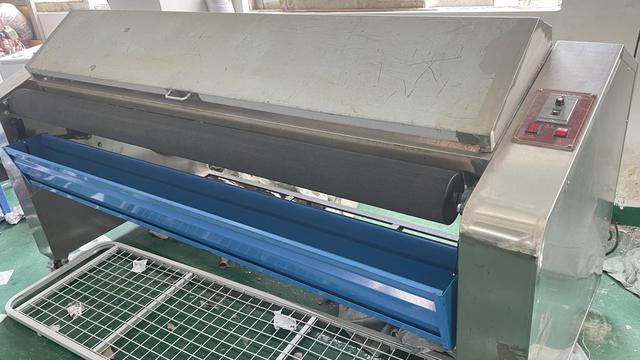
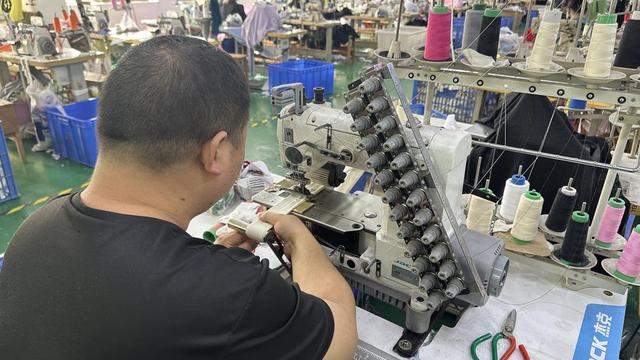
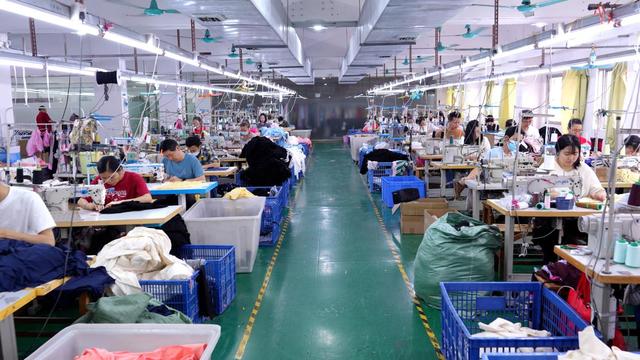
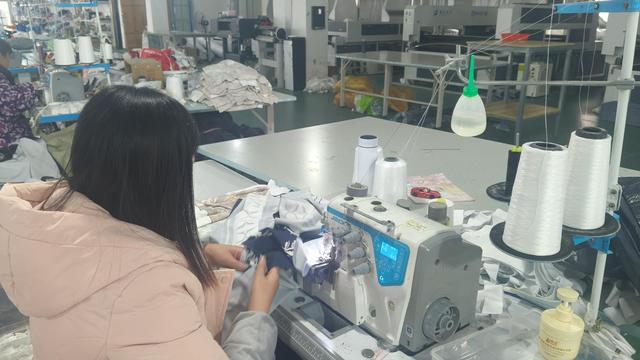
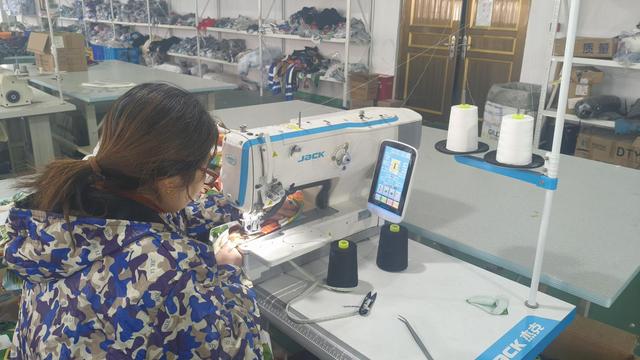
Tailored supply chain workflows designed for bulk retail buyers, private label brands, and global department stores.
Collaborative material sourcing focusing on sustainable options including modal, combed organic cotton, recycled polyester, and high-gauge interlock bamboo. We offer specialized finishes like moisture management, anti-pilling, and antimicrobial treatments.
CAD-based fit adaptations tailored for US body dimensions. We account for natural physical changes by using multi-direction stretch panels, side-seam ruching, and adjustable elastic bands to ensure clean, flattering drapes.
A multi-stage quality control process inspecting raw yarn tension, seam elasticity, color fastness, and final trim placement. Every batch undergoes physical tension stress tests to ensure structural integrity over long-term use.
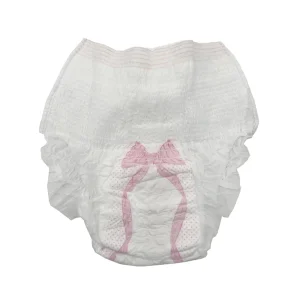
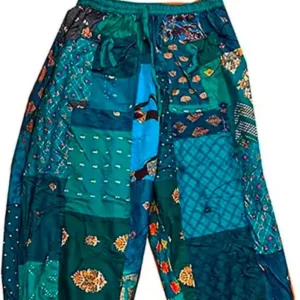
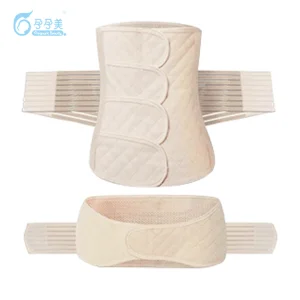
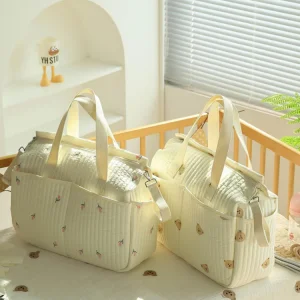
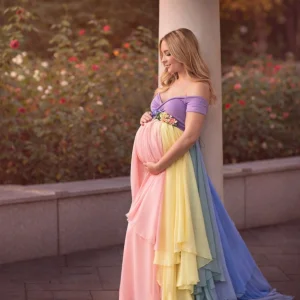
Explore our core range of custom-manufactured activewear, dresses, undergarments, and support accessories ready for private labeling.
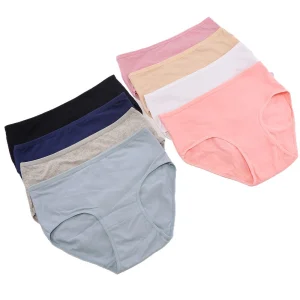
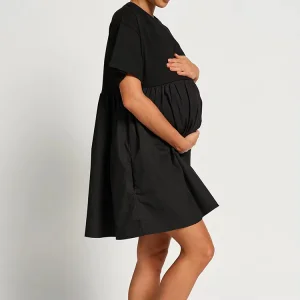
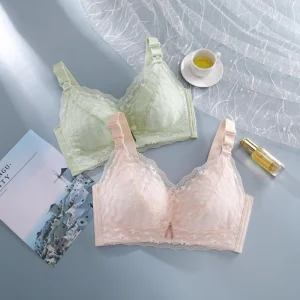
A visual look inside Beavo Fashion’s 8,000 square meter Guangzhou operations, ensuring rapid production and pristine quality control.
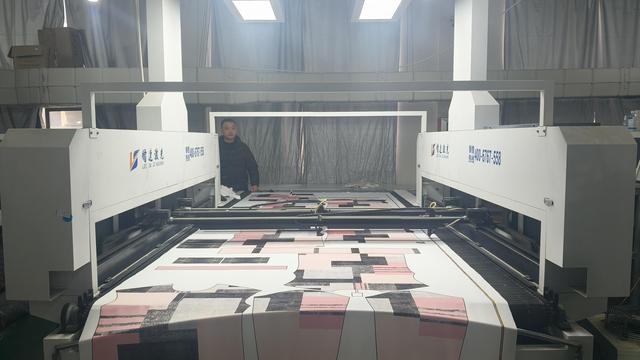
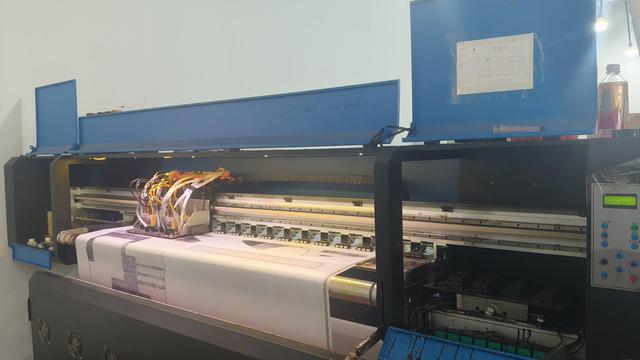
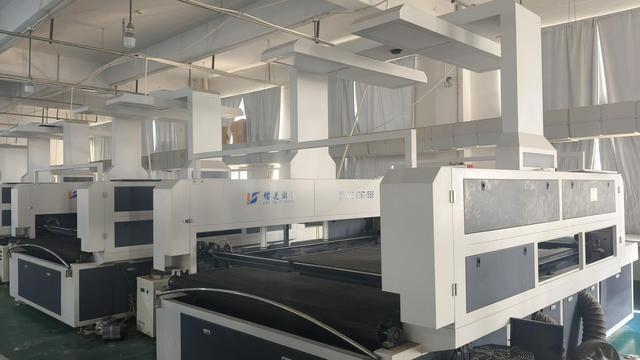
Critical business insights addressing compliance, logistics, manufacturing limits, and fabric technologies.
Ready to elevate your maternity product line?
Send Inquiry Now Beavo Fashion