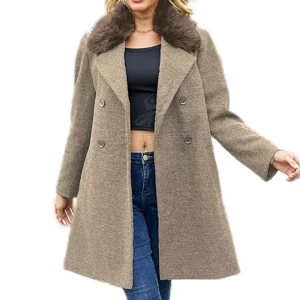
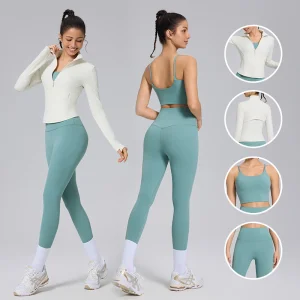
Engineered for quality, designed for global markets including East African growing distribution networks.
The global garment supply chain is undergoing a structural realignment, with East Africa—and specifically Ethiopia—emerging as a prime target for high-value apparel manufacturing. Guided by aggressive industrial park initiatives (such as the Hawassa, Bole Lemi, and Adama Industrial Parks), the Ethiopian market offers a unique combination of macro-economic incentives, competitive production labor structures, and green energy availability. For global apparel brands looking to source Women's Jackets, this geographical pivot represents a major structural shift.
However, manufacturing advanced outerwear like women's tech jackets, winter blazers, and protective sportswear in emerging markets requires an established partner with high-end machinery, strong fabric supply networks, and strict quality control standards. This is where Guangzhou Beavo Fashion Co., Ltd. bridges the gap, supplying global standard manufacturing to partners distributing within the domestic Ethiopian market, while supporting local operations with advanced technology transfers, low-MOQ trials, and high-efficiency logistics pipelines.
Our dynamic manufacturing matrix allows us to source premium materials—from high-density synthetic polyesters to premium natural silks and wools—and transform them into market-ready outer layers under strict ISO 9001 and OEKO-TEX certified guidelines. Through our dedicated export lines, we offer reliable shipping paths from our manufacturing core directly to the logistics hubs of East Africa, overcoming regional supply chain friction.
Why high-performance jackets require more than basic tailoring: A look into our production mechanisms.
From high-tech windbreaker fabrics with UPF 50+ finishes to blended heavy-duty wool structures, we source materials capable of matching both extreme microclimates and premium global aesthetic trends.
Our CAD modeling system guarantees structural tolerance down to 1mm. This is vital for complex garments like multi-panel activewear jackets, double-breasted blazers, and ergonomic sports fits.
With more than 15 quality control inspectors monitoring our lines, every single piece undergoes meticulous seam-tensile testing, colorfastness inspection, and precise sizing verification before export packaging.
For fashion retailers and emerging private labels in Addis Ababa, scaling a brand requires flexibility. Traditional mass-production plants demand astronomical minimum order quantities (MOQs). Our factory addresses this challenge by supporting structured, low-MOQ programs starting from 50pcs per style.
This operational setup minimizes financial risk while allowing companies to test the local consumer market with varied collections—from heavy wool jackets tailored for cold Highland seasons to lightweight UV protection sun hoodies suited for agricultural or outdoor sectors.
Start Your Custom Order Now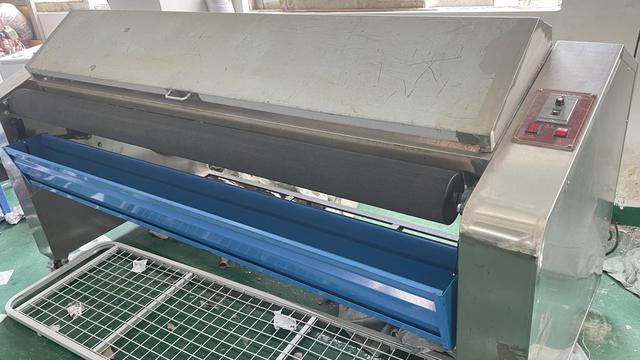
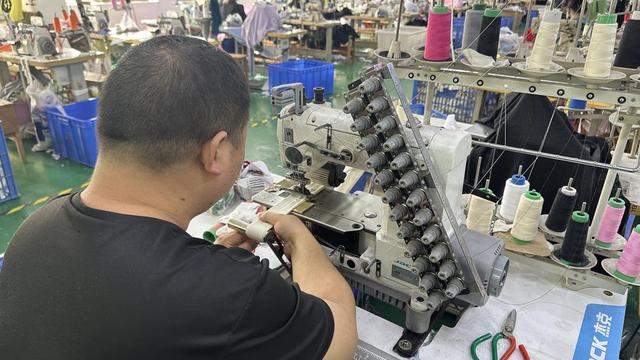
Ensuring reliable supply networks, compliant operations, and seamless logistics across continents.
Outerwear production is uniquely susceptible to accessory shortages. Fasteners, heavy-duty metallic zippers, toggle ropes, and specialized linings are often unavailable in developing manufacturing regions like Ethiopia.
By leveraging our centralized hub in Guangzhou—the epicentre of global textile manufacturing—we secure supply lines for all complex hardware and premium fabrics, preventing delays on the production floor.
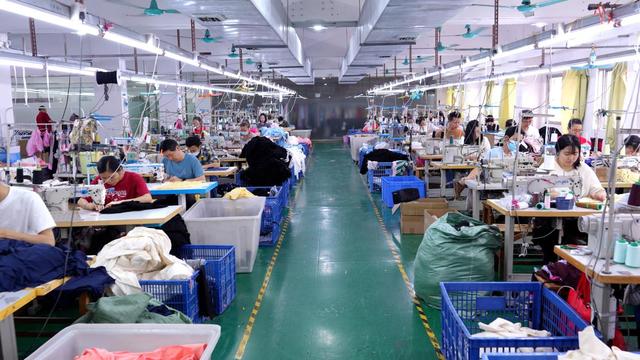
Consumer demand in Western and growing African metropolitan areas is shifting heavily toward environmental sustainability. We use modern, energy-efficient machinery that drastically minimizes electricity and water waste.
All materials are sourced from eco-certified spinning mills. Whether you are marketing jackets in Addis Ababa, Nairobi, or exporting to Europe, our fabrics comply with international chemical and structural safety codes.
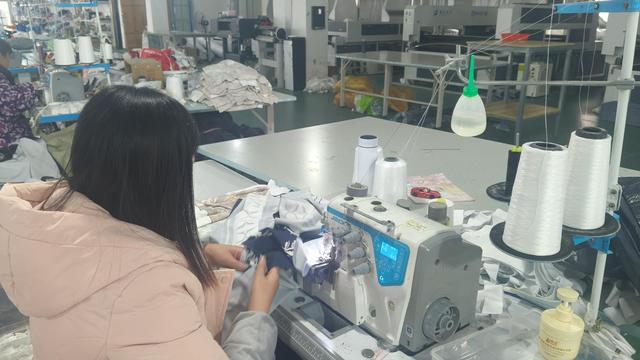
Outerwear requirements vary dramatically depending on geography. To establish a successful jacket brand in Ethiopia, apparel must match the unique geographical and economic parameters of the region:
Due to Ethiopia's high average elevation (with Addis Ababa sitting at over 2,200 meters), diurnal temperature fluctuations are stark. Jackets require high-density wool composites or modular inner linings to transition smoothly from warm afternoons to cold nights.
Strong high-altitude UV radiation requires garments to feature functional UPF 50+ protective barriers. This is highly sought after by local agricultural supervisors, outdoor researchers, and construction developers.
As Addis Ababa expands as the diplomatic capital of Africa, the demand for structured corporate workwear and stylish business blazers for women is growing rapidly. Our facility specializes in producing sharp, clean-cut office wear.
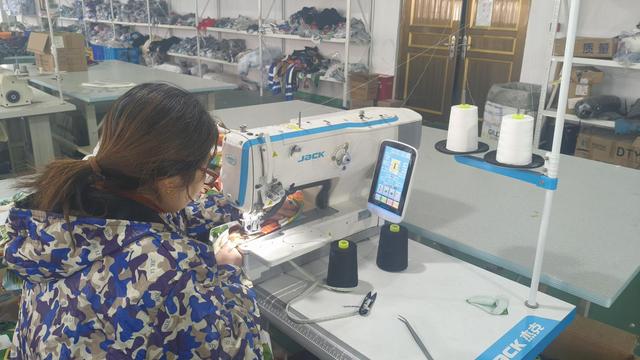
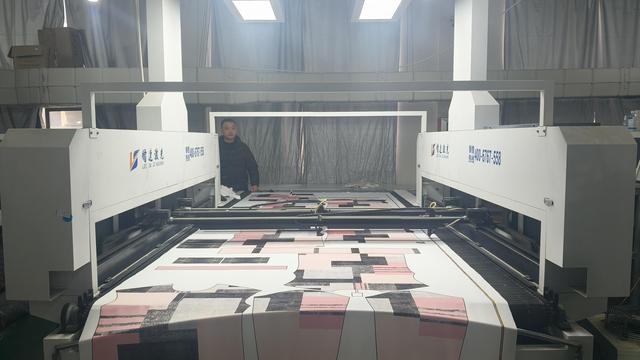
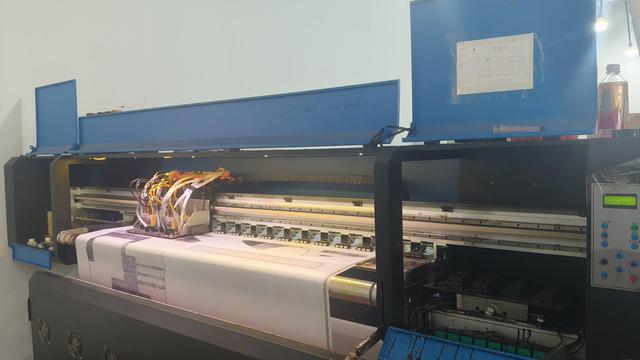
Our roadmap centers on implementing smart textiles and automated, high-efficiency patterns to serve the evolving requirements of East Africa.
Developing accurate sizing databases matching local East African body dimensions, limiting returns and boosting consumer brand loyalty for our buyers.
Expanding our use of fabrics made from post-consumer plastic waste to support eco-conscious global exports and local brand initiatives.
Testing lightweight, thin-barrier thermal coatings that maximize warmth without adding bulk, ideal for high-altitude microclimates.
Clear, transparent, and direct answers to help you navigate custom jackets production and global logistics.
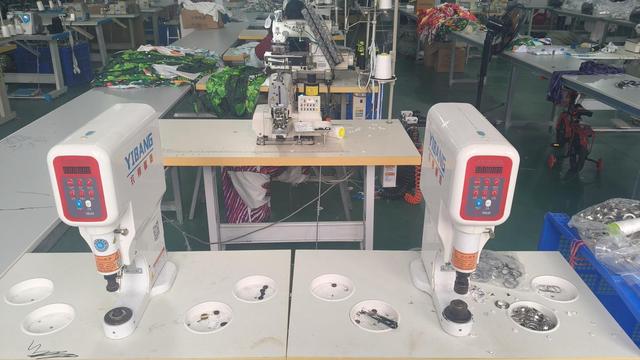
Take a look inside our 8,000+ square meter manufacturing lines, cutting bays, and QA units.
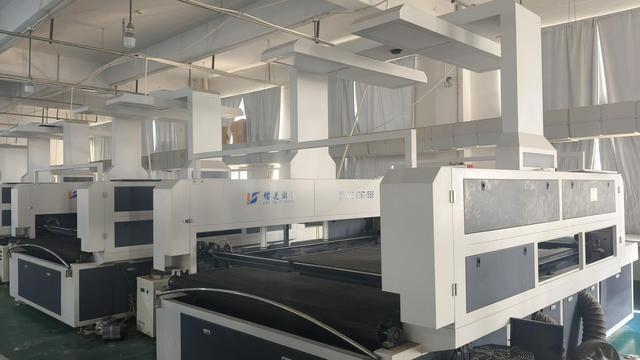
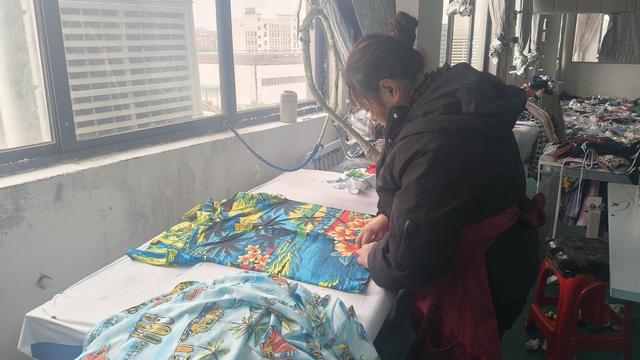
Browse our wider range of jackets, blazers, and custom apparel collections, complete with quick order links.


Get in touch with our design engineers and logistics experts to calculate pricing, shipping timetables, and sample lead times.
Send Inquiry Now Beavo Fashion