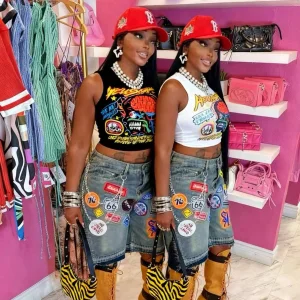
Engineered for the Pacific Northwest. Our premium technical layering garments and outerwear are constructed to withstand coastal precipitation while maintaining executive corporate aesthetic standards.
As a global epicenter of technology, commerce, and outdoor adventure, the Pacific Northwest (PNW)—anchored by Seattle, Washington—dictates a highly specialized set of parameters for women's jackets and apparel development. Unlike typical fashion hubs, Seattle's unique microclimate features frequent, light-to-moderate rain, damp winters, and highly variable daily wind conditions. This requires garments to bridge the gap between technical waterproofing and corporate-office appropriate aesthetics—a design philosophy often termed "gorpcore" or "smart technical casual."
For brands and enterprise retailers catering to the Seattle market, sourcing jackets involves navigating stringent material requirements. A simple aesthetic outer shell is insufficient. Jackets must maintain high hydrostatic head ratings (minimum 10,000mm water resistance) while demonstrating exceptional breathability (minimum 10,000 g/m²/24hr Moisture Vapor Transmission Rate). Manufacturers targeting this market must deploy state-of-the-art DWR (Durable Water Repellent) coatings, sealed or critical seam-taping processes, and advanced internal membrane laminates like TPU or PTFE. Local standards dictate that materials also withstand high abrasion resistance, given the active lifestyle of the PNW population, which shifts effortlessly from urban transit in South Lake Union to weekend hiking trails in the Cascades.
Seattle is at the forefront of environmental stewardship in the United States. Under Washington State’s "Safer Products for Washington" program, local regulations are aggressively phasing out harmful chemicals commonly used in traditional waterproofing. Chief among these is the strict restriction on per- and polyfluoroalkyl substances (PFAS/PFOA) in apparel, set to take complete effect within the next few fiscal cycles. Sourcing partners must guarantee 100% PFAS-free chemistry in their water-repellent coatings.
Furthermore, local consumers and procurement departments demand verification of sustainable textile pipelines. Successful brands partner with factories that supply certificates such as GRS (Global Recycled Standard), OEKO-TEX Standard 100, and Bluesign certifications. Sourcing recycled polyester and nylon blends, organic cottons, and sustainable bamboo fabrics is no longer an optional marketing advantage—it is a baseline requirement to access the Seattle wholesale market.
Advanced multi-layered construction featuring breathable waterproof membranes engineered to manage Puget Sound humidity levels.
100% PFAS-free formulations, GRS recycled outer linings, and OEKO-TEX certified structural components.
Digital pattern engineering and physical sample turnaround within 7 working days to optimize product launches.
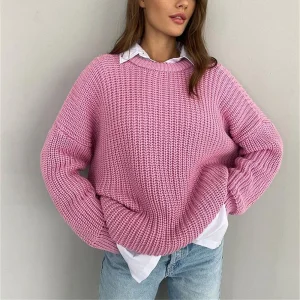
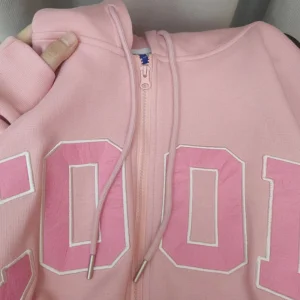
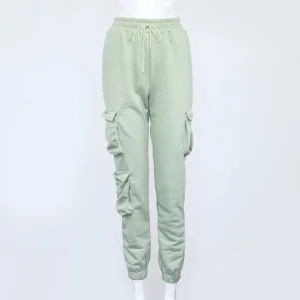
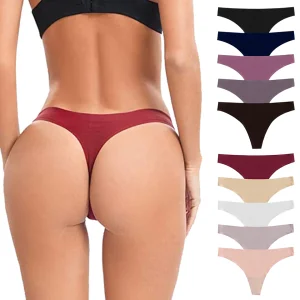
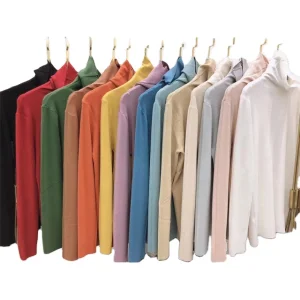
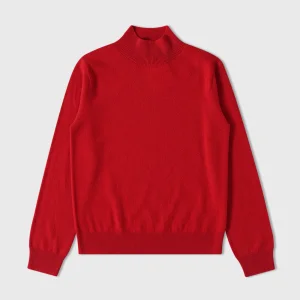
A complete system-approach to outfitting requires premium, comfortable inner layers that work in harmony with technical shells and heavy jackets.
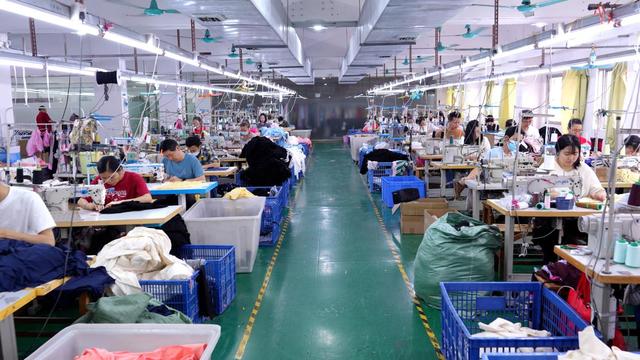
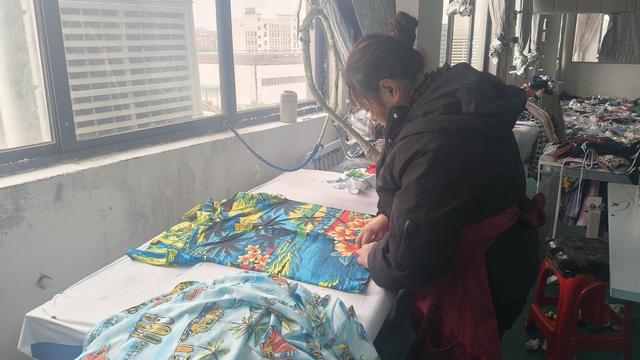
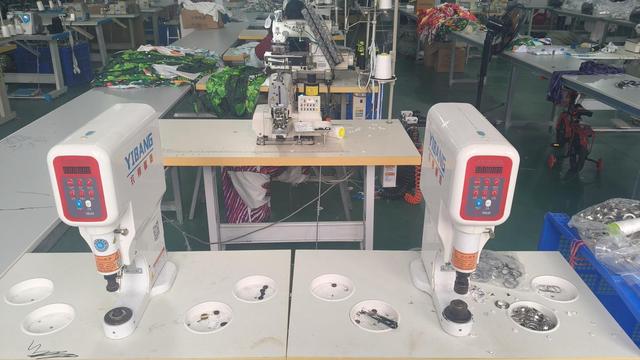
Establishing a reliable procurement pipeline for Seattle's competitive marketplace requires partnering with a manufacturer that blends massive production capability with advanced industrial technology. Guangzhou Beavo Fashion Co., Ltd. is a leading specialist in women's apparel development, operating a highly advanced 8,000 square meter factory in the apparel manufacturing heartland of Guangzhou, China. Established in 2012, the company manages a team of over 180 skilled technicians, engineers, and quality assurance personnel dedicated to OEM/ODM operations.
For Seattle-based importers, Beavo Fashion serves as an end-to-end industrial partner. We bridge the logistical gap by handling raw material fabric sourcing, physical/digital pattern drafting, fit testing, sample design, and bulk fabrication. By locating our operations in Guangzhou, we leverage direct proximity to the world’s largest textile raw material markets (such as the Zhongda Textile District). This enables us to source cutting-edge technical materials, waterproofing laminates, and eco-certified components at highly competitive prices, translating to significant cost efficiencies for our global partners.
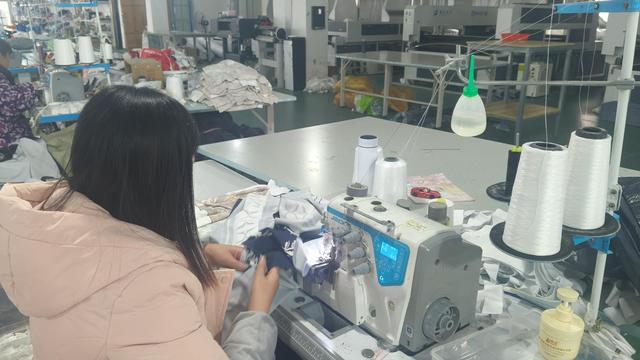
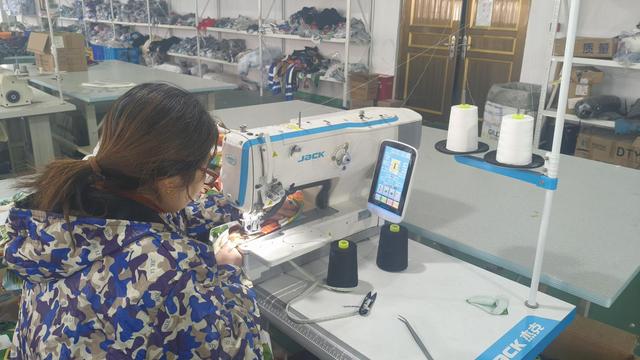
Quality and punctuality form the foundation of E-E-A-T (Expertise, Authoritativeness, Trustworthiness) in high-volume B2B supply chains. Beavo Fashion enforces a rigid quality management system operating to AQL 2.5 and AQL 4.0 inspection standards. Our inline QC teams inspect fabrics before cutting, monitor stitch tension during assembly, and conduct post-production tests for water permeability, colorfastness, and seam durability. For Seattle corporate clients, we coordinate streamlined logistics via direct shipping lanes from the Port of Guangzhou or Port of Shenzhen directly to the Port of Seattle (Seattle-Tacoma Gateway), minimizing customs delays and optimizing container-load costs.
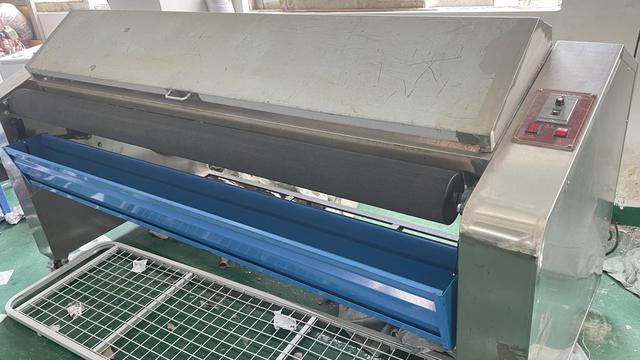
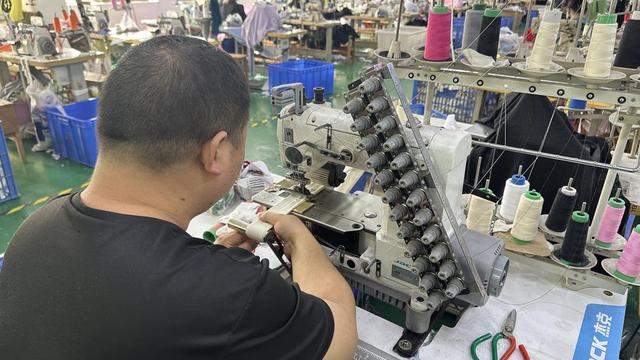
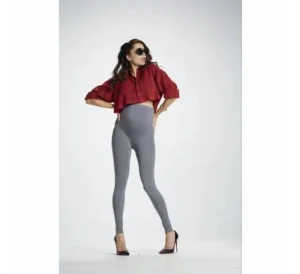
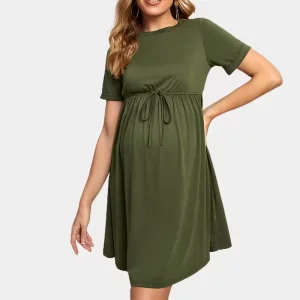
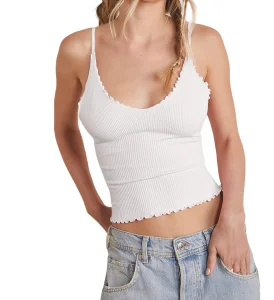
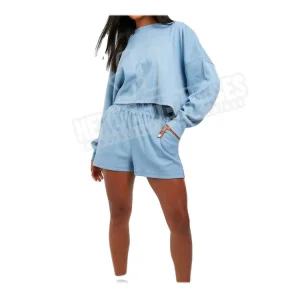
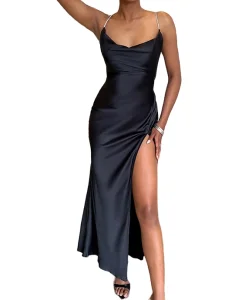
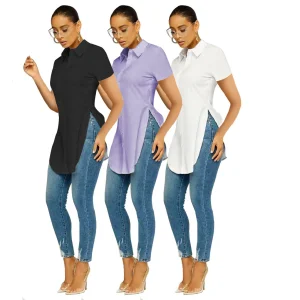
Explore our versatile catalog options. These pieces are fully customizable via our Guangzhou OEM facilities, designed to align with Seattle's active lifestyle, fashion, and climate requirements.
For procurement directors managing retail brands in Seattle and North America, sourcing high-value women's jackets involves complex logistical systems, tariff calculations, and strict timeline adherence. High-end jackets with technical features require multi-component assembly (outer lining, TPU waterproof membrane, inner insulation fill, specialized YKK zippers, seam seal tape, drawstring systems). Each component must be systematically managed to prevent manufacturing delays.
At Guangzhou Beavo Fashion Co., Ltd., we establish supply-chain security by deploying digital ERP inventory systems. By tracking fabric supply pipelines, we forecast lead times with 98.7% accuracy. We mitigate international trade tariffs through precise customs classifications (Harmonized System/HS code tracking) and offer flexible shipment terms (FOB, CIF, DDP) that align with our clients' internal risk-management frameworks. Whether you are an emerging label requiring low MOQs (Minimum Order Quantity) for test designs, or a multi-national retailer requiring consistent 100,000-unit monthly deliveries, our modular assembly operations adapt to your volume needs without sacrificing structural quality.
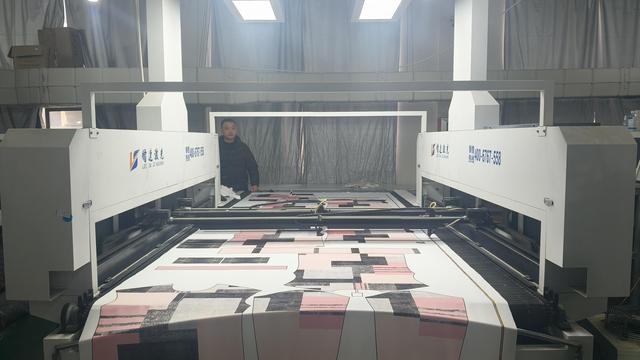
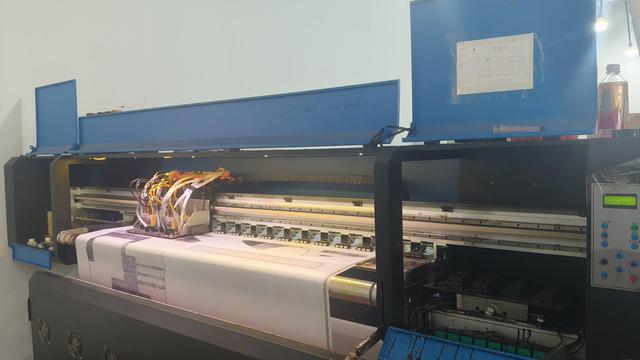
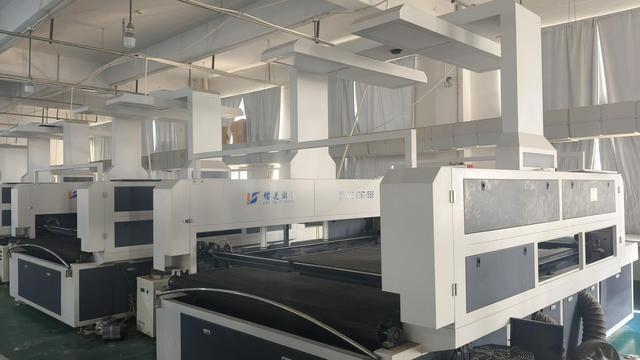
The global garment sector is shifting toward digital, low-waste manufacturing. Our Guangzhou facilities integrate computerized laser-cutting tables to minimize textile scrap by up to 14% compared to manual processes. Utilizing advanced CAD pattern design, we create 3D garment visualizations. This reduces physical prototype cycles and allows Seattle design teams to inspect fit, drapery, and styling virtually before fabrics are cut.
This digital-first approach aligns with Seattle’s growing circular economy. Brands can iterate designs online, minimizing carbon emissions associated with air freighting physical samples back and forth. In production, we prioritize mono-material construction (such as 100% recycled polyester shells combined with polyester membranes), ensuring that garments can be easily shredded and recycled at the end of their lifecycle—a key selling point for progressive PNW fashion labels.
 Beavo Fashion