High-demand configurations engineered for international trade standards and tailored to market requirements.
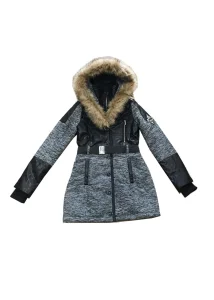
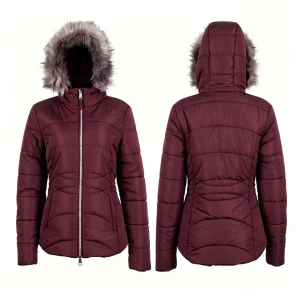
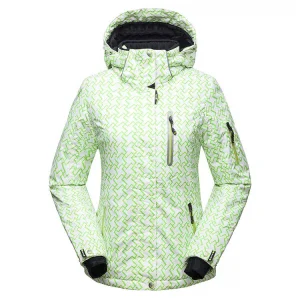

An authoritative deep-dive into the macroeconomic climate, regional consumer demands, and cross-border trade pathways.
The Nigerian fashion sector represents one of the most vibrant yet structurally complex commercial landscapes in Sub-Saharan Africa. Valued at several billion dollars, the market is powered by rapid urbanization, a burgeoning middle class, and an increasingly sophisticated corporate workforce. While Nigeria is traditionally associated with tropical climates, the demand for structured women's coats, jackets, and winter-grade outerwear is fueled by three core drivers: regional geographic variations (such as the cooler, high-altitude climates of Jos, the Obudu Plateau, and northern territories during the Harmattan season), the skyrocketing demand for corporate business apparel in financial hubs like Lagos and Abuja, and the vast Nigerian diaspora that regularly travels between West Africa, Europe, and North America.
Professional importers and wholesale distributors must navigate these varied microclimates. During the Harmattan, which spans from November to February, dry, dust-laden winds blow from the Sahara, dropping early morning temperatures significantly across the country. In response, modern Nigerian women demand lightweight yet protective coats that shield against windborne dust without trapping excessive body heat. Conversely, the high-end corporate sectors in Victoria Island and Lekki require structural wool blends and sophisticated trench designs that project executive authority in heavily air-conditioned boardroom environments.
Global geopolitical factors and rising energy costs have restructured the apparel manufacturing map. Historically, Western European wholesalers served as intermediaries for the West African luxury and premium apparel markets. However, the direct B2B pipeline between Chinese manufacturing clusters and West African distribution hubs has optimized margins, removed unnecessary transaction layers, and accelerated speed-to-market.
Lagos, through the Apapa and Tin Can Island port complexes, serves as the gateway for containerized apparel shipments. By sourcing directly from verified manufacturing facilities in Guangzhou, Nigerian retail groups can commission bespoke product designs, select fabrics optimized for West African humidity and temperatures, and establish strict compliance frameworks. This direct integration ensures that high-volume orders are protected from inflationary retail markups, allowing distributors to maintain healthy operating margins.
Leveraging cluster efficiency, premium material sciences, and highly optimized assembly systems to support global brands.
Established in 2012 in Guangzhou, China's premier apparel manufacturing hub, Guangzhou Beavo Fashion Co., Ltd. operates a highly standardized production footprint. The regional supply chain ecosystem in Guangzhou provides unparalleled access to raw materials, trims, and logistics networks. This proximity allows us to secure premium-grade wools, specialized synthetic insulations, and customized metal accessories with minimal lead times.
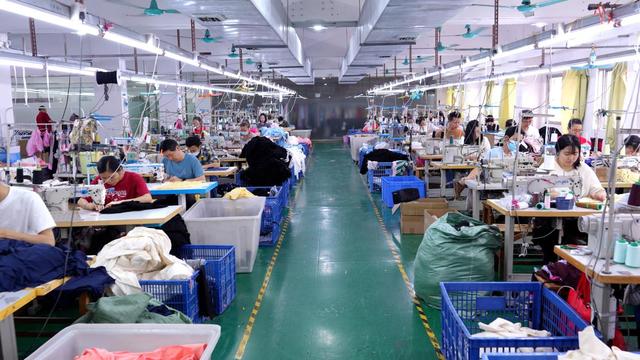
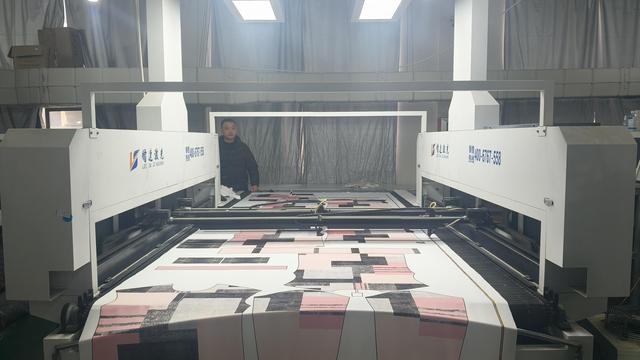
Our facility spans over 8,000 square meters and houses a dedicated team of over 180 skilled pattern makers, designers, and quality control inspectors. By using computerized CAD pattern drafting, advanced laser-cutting machinery, and automated line structures, we minimize fabric waste and ensure dimensional accuracy across all sizing grades. For the Nigerian importer, this translates into consistent quality, rapid turnaround times, and highly competitive unit costs that domestic manufacturing cannot replicate.
A key issue for importing standard European or North American winter coats into Nigeria is the thermal rating. Heavy, down-filled parkas designed for sub-zero climates are impractical for the majority of West African regions. Consequently, Guangzhou Beavo Fashion offers customization services that adjust the inner insulation and lining weight of our women's coats.
For the Nigerian market, we recommend using high-performance, breathable satin linings combined with medium-weight outer fabrics like poly-viscose blends or lightweight wool. This approach retains the structured silhouette of a classic trench or winter coat while ensuring comfort in tropical and sub-tropical environments. In addition, we modify sizing blocks to accommodate the diverse anatomical requirements of African consumers, ensuring a comfortable fit across all size ranges.
B2B Import Strategy Note: When importing outerwear into Nigeria, selecting fabrics with high moisture-wicking indices and durable water repellency (DWR) prevents mold growth during the high-humidity monsoon season. Beavo Fashion provides specialized anti-microbial silica packaging and desiccant treatments to safeguard all overseas cargo transit.
Exploring the integration of smart textiles, eco-friendly manufacturing, and structured container shipping to Lagos ports.
The global outerwear market is undergoing a transition driven by environmental awareness and wearable technology. Brands are increasingly incorporating Global Recycled Standard (GRS) certified polyester, organic wools, and PFC-free water repellents into their designs. For international buyers, highlighting these sustainable practices satisfies consumer demands and helps brands align with shifting global regulatory standards.
At the same time, smart clothing features are entering mainstream markets. Features like built-in USB heating panels (which can be powered by standard mobile power banks) are popular with travelers and individuals living in regions with cold microclimates. Guangzhou Beavo Fashion is at the forefront of this trend, integrating safe, low-voltage carbon fiber heating elements into our custom outerwear collections without compromising garment drape or washability.
Importing garments into Nigeria requires a clear understanding of the regulatory landscape managed by the Standards Organisation of Nigeria (SON) and the Nigeria Customs Service. In particular, securing a SONCAP certificate is necessary to prevent customs clearance delays or penalties at the ports. Our export team coordinates with authorized inspection agencies to handle product testing and certification before your cargo leaves China.
For shipping logistics, we support FOB Guangzhou or Shenzhen, CIF Apapa, and CIF Tin Can Island terms. Our logistics partners can assist with packing list consolidation and container space optimization to reduce ocean freight costs. By coordinating these shipping steps, we ensure that bulk orders are delivered safely and on schedule.
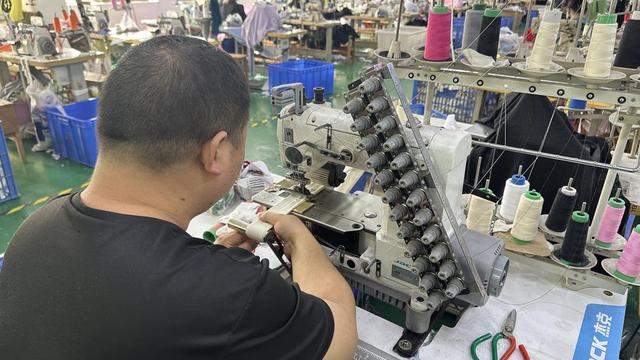
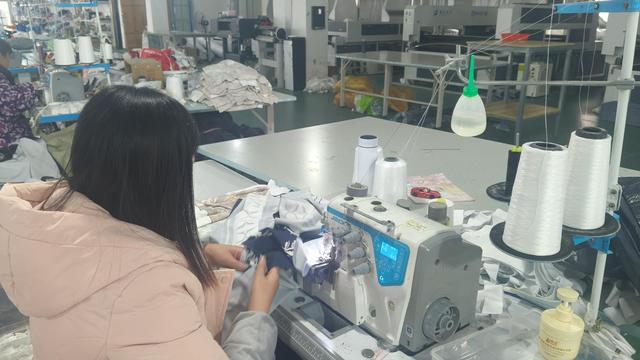
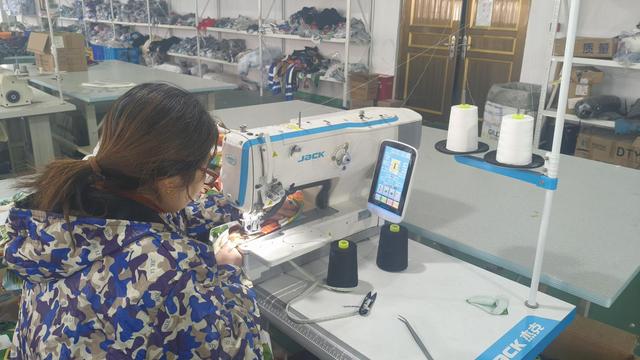
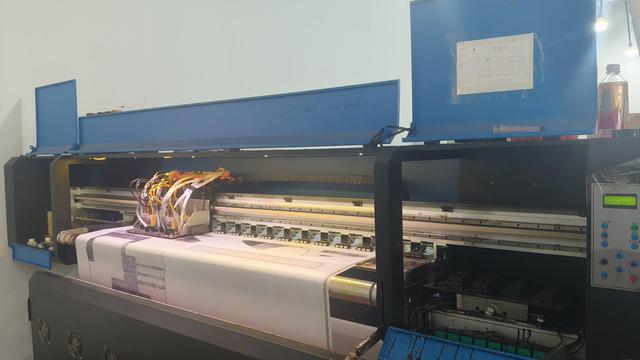
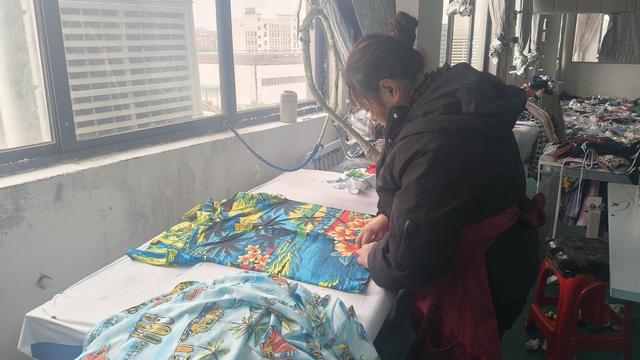
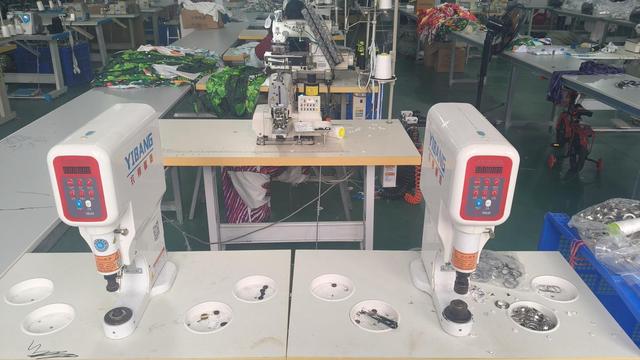
Inside Guangzhou Beavo Fashion's advanced facilities — showing the scale of our production lines, raw materials, and quality assurance processes.
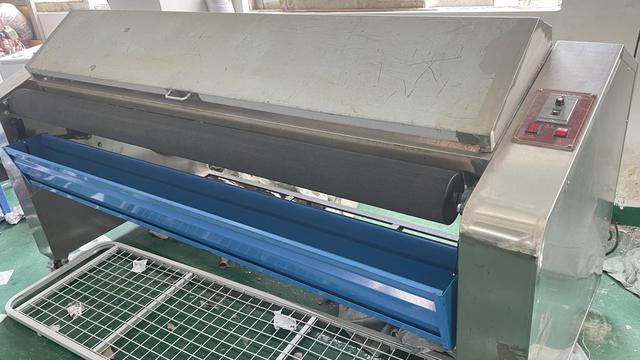

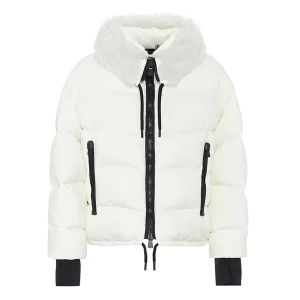
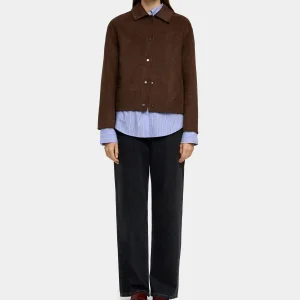
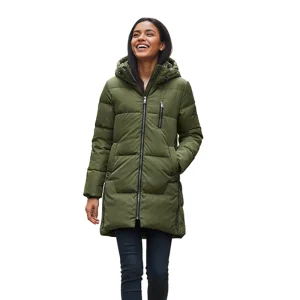
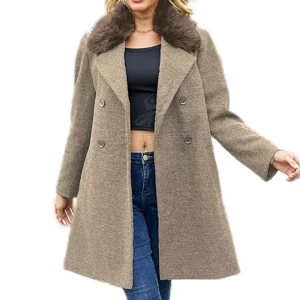
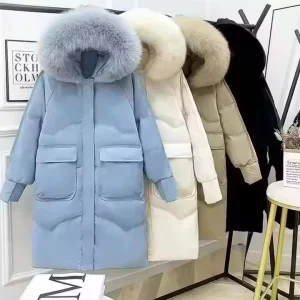
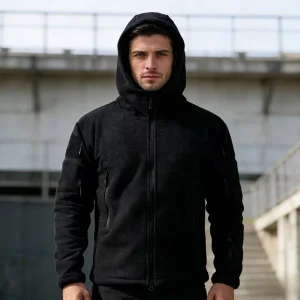
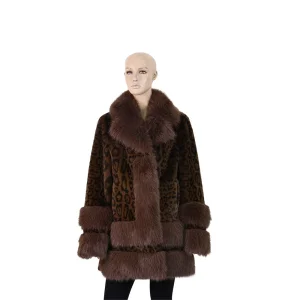
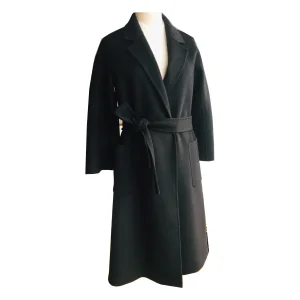
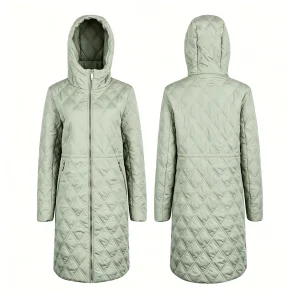
Explore our full line of export-ready women's coats and jackets, designed for durability and customized for diverse climates.



Essential answers to help procurement managers with OEM/ODM logistics, custom fabric options, and shipping protocols.
Partner with Guangzhou Beavo Fashion to access professional design services, scalable production, and reliable logistics support for your market.
 Beavo Fashion