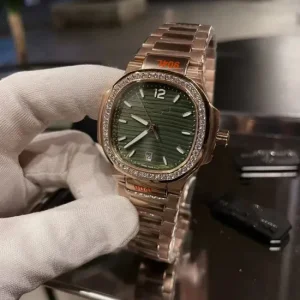
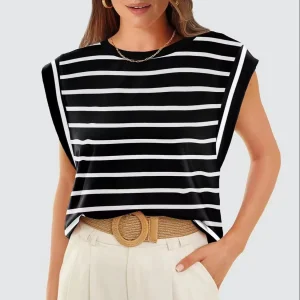
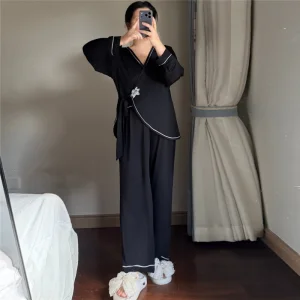
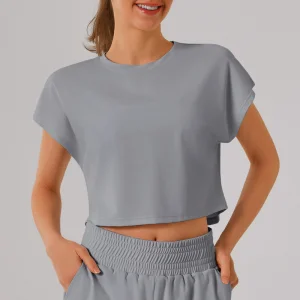
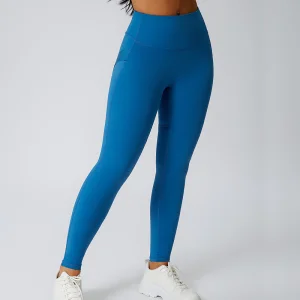
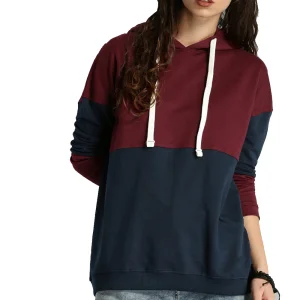
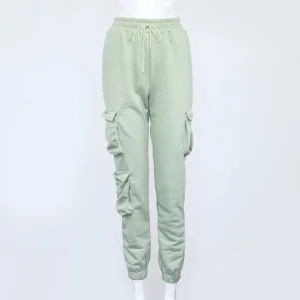
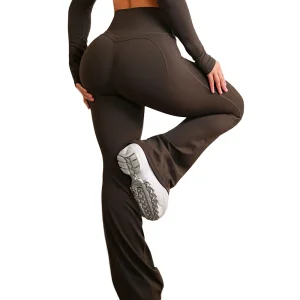
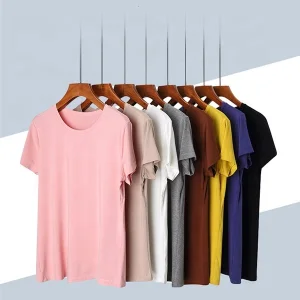
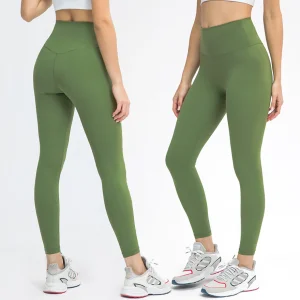
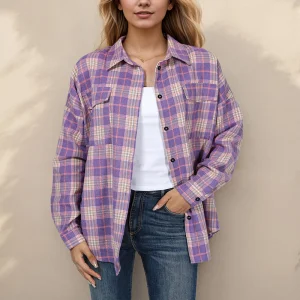
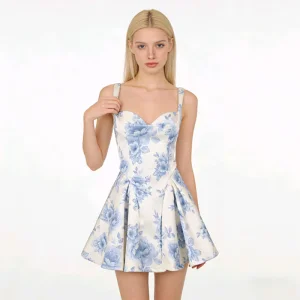
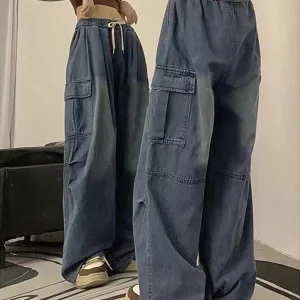
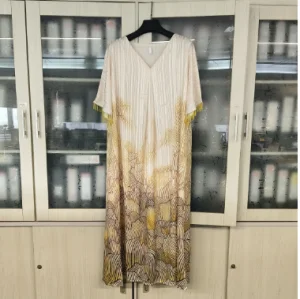
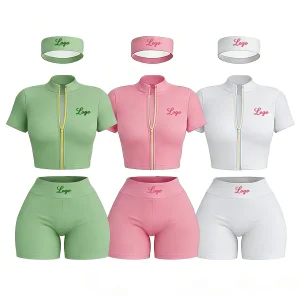
Explore our hot-selling premium OEM/ODM product portfolio for global markets.
Guangzhou Beavo Fashion Co., Ltd. is a professional Women's Clothing Manufacturer | Custom Fashion Apparel Supplier | OEM ODM Garment Factory dedicated to delivering high-quality fashion solutions for global apparel brands, wholesalers, retailers, e-commerce sellers, and private-label businesses.
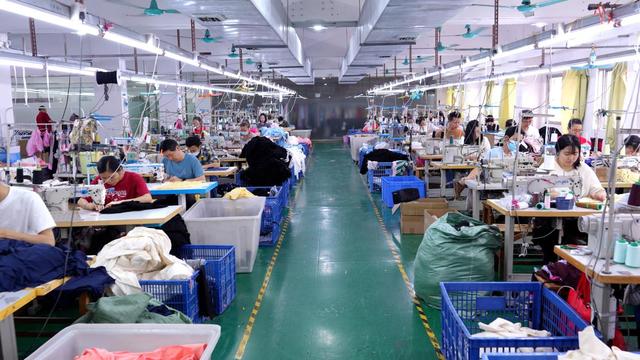
Established in 2012, Beavo Fashion operates a modern manufacturing facility covering over 8,000 square meters in Guangzhou, China, with a team of more than 180 skilled employees, including experienced designers, pattern makers, quality inspectors, and production specialists. The company specializes in the development and production of a wide range of women's apparel, including dresses, tops, blouses, skirts, pants, outerwear, knitwear, activewear, loungewear, and plus-size fashion collections.
As a reliable OEM and ODM garment manufacturer, Beavo Fashion offers comprehensive services from concept development and fabric sourcing to sampling, bulk production, packaging, and global logistics support. The company works with various materials such as cotton, polyester, rayon, linen, spandex blends, and sustainable fabrics to meet diverse market demands and fashion trends.
Sourcing women's vintage apparel requires an intricate balance between classic detailing and modern production technologies. China, specifically the Pearl River Delta hub of Guangzhou, offers unparalleled competitive advantages for international brands seeking premium craftsmanship at scale. Vintage designs are inherently complex, often requiring specialized smocking, lace inserts, pleating, custom dye patterns, and precise tailoring that cannot be easily replicated in low-cost manufacturing regions lacking a mature supply chain.
Proximity to fabric markets like the Guangzhou Zhongda fabric market gives manufacturers instant access to thousands of textiles—from heavyweight cottons and complex jacquards to delicate chiffons and custom-embossed rayons, reducing sourcing lead times from weeks to days.
Recreating vintage silhouettes (such as 1950s rockabilly swing dresses, Victorian lace collars, or 1970s bohemian maxi dresses) requires masterful pattern grading. Advanced factories utilize CAD system modeling paired with physical drape tests on European/US fit models.
Experienced Chinese factories implement multi-stage QA protocols (such as AQL 2.5 standards). This includes seam tension testing, shrink rate analysis, and detailed embroidery inspections to ensure durability matches the aesthetic quality.
Understanding user intent and search patterns reveals a clear consumer shift towards vintage-inspired, sustainable, and highly detailed collections. As search queries for "retro dresses with modern fit" and "sustainable vintage apparel" surge, brands must collaborate with manufacturers that are aligned with these macroeconomic shifts.
Modern consumers demand historical style combined with eco-conscious fabrications. Tencel, organic cotton, and recycled polyester blends are taking over traditional synthetic chiffons. Top-tier manufacturers now offer certificates like GOTS (Global Organic Textile Standard) and OEKO-TEX Standard 100 to prove the ecological validity of their garments.
True vintage garments were cut for different body proportions. Today’s market demands "retro looks with modern ergonomics." Advanced pattern grading departments modify original vintage patterns, adding smart features like elasticized smocking, adjustable waist-ties, and high-stretch lining to support inclusive sizing (XS to 4XL).
Social media trends move at lightspeed. A vintage dress style seen on TikTok or a TV drama can spike demand overnight. Factories are transitioning from rigid high-MOQ outputs to agile production models, allowing brands to place testing orders of 100-200 pieces, and scale rapidly with reorders within 7-10 days.
Traditional techniques like pin-tucking, hollow lace-work, and pleating are now executed via computer-guided machinery. This automation keeps production costs down while maintaining the artisanal charm that defines the vintage category.
When searching for the ideal factory partner, international buyers should categorize potential partners based on their core competencies. The following directory structure outlines the top 10 profiles of leading vintage apparel manufacturers, highlighting where to place your brand’s focus based on your business size and product complexity.
Ideal for established brands requiring in-house design development, offering rich fabric libraries and fully realized tech packs (e.g., Guangzhou Beavo Fashion).
Focuses on massive scale production, operating thousands of machines optimized for simple vintage styles with high-speed delivery.
Specializes exclusively in sustainable processes, utilizing natural organic dyes and deadstock fabrics to target niche, eco-conscious demographics.
Specialists in manual detailing like hand-guided embroidery, delicate beadwork, and custom lace borders suited for luxury or wedding vintage lines.
Focuses on retro knit tops, vintage cardigans, and mid-century modern knitted dresses with specialized jacquard machines.
Focuses exclusively on flattering plus-size fitments, using specialized mannequins and proprietary grading tables for vintage patterns.
Excellent for digital boutiques and dropshippers needing quick updates with MOQs starting at 50 units per color/style.
Focuses on precise historical reproductions (Victorian, Edwardian, 1920s Flapper) for theatrical, niche retail, or cosplay markets.
Specializes in vintage-wash denim, dungarees, boiler suits, and utilitarian workwear dresses using heavy-duty wash systems.
Utilizes digital-twin design previews, 3D clothing simulation, and automated laser fabric cutting to reduce sampling iterations to zero.
Global apparel procurement is fraught with supply chain challenges—from tariff fluctuations to material delays and color inconsistency. To build a resilient apparel business, buyers must implement systematic supply chain protocols:
Never approve bulk production based on digital renders. Insist on a Golden Sample (Pre-Production Sample) constructed from the exact fabric weight and colorway specified. Ensure your tech pack outlines specific tolerances (+/- 1cm for chest/waist measurements) to avoid sizing deviations.
Incorporate independent inspection agencies (like SGS or Intertek) at the mid-production and pre-shipment stages. Inspect for fabric flaws, loose threads, button-attachment strength, and zipper smoothness—particularly important for vintage items that rely heavily on functional zippers and hardware.
Vintage styles often feature complex fiber blends. Ensure all fabric compositions are precisely documented for customs clearance to avoid classification delays. Utilize harmonized tariff codes (HS Codes) correctly to minimize import duties in destination countries.
Align logistics options with seasonal demands. Use sea-air hybrid shipping to balance transportation costs and speed-to-market. Request that your factory utilize compressed eco-friendly packaging to reduce overall cargo volume and minimize shipping costs.
Adapting vintage apparel designs to regional preferences is vital for reducing return rates and maximizing customer satisfaction. Sizing and fabric preference patterns vary dramatically across global markets:
A professional manufacturer like Guangzhou Beavo Fashion helps you localized products seamlessly by offering customizable sizing scales and regionalized fabric suggestions during the development stage.
Key insights on manufacturing processes, lead times, and global procurement strategies.
Discover more premium styles optimized for global distribution channels.
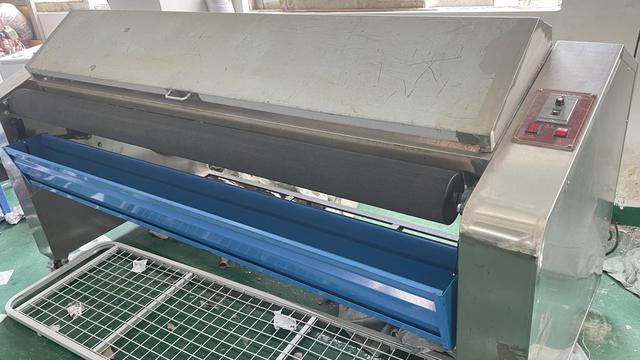
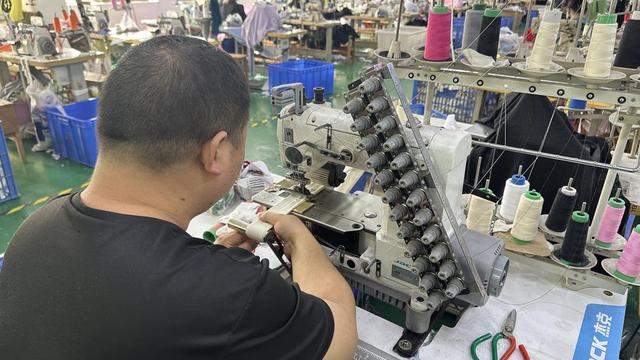
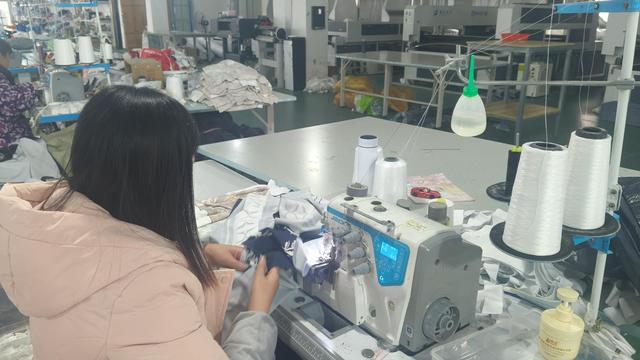
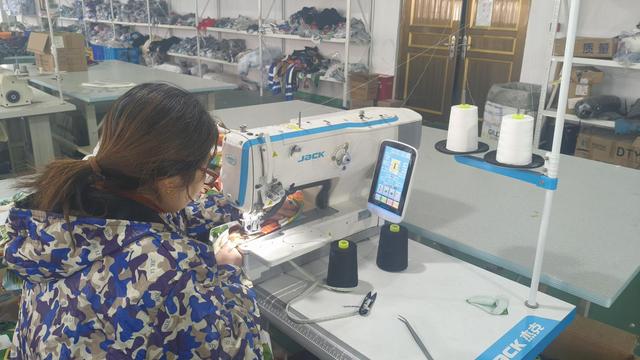
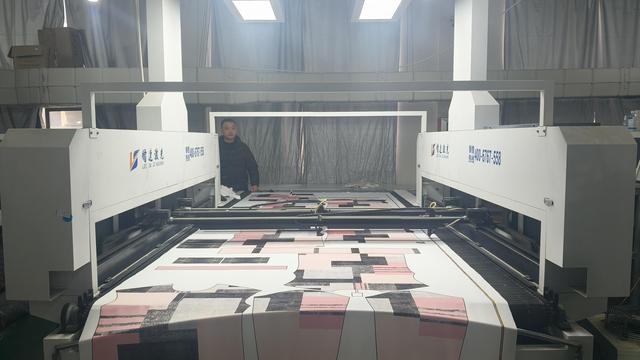
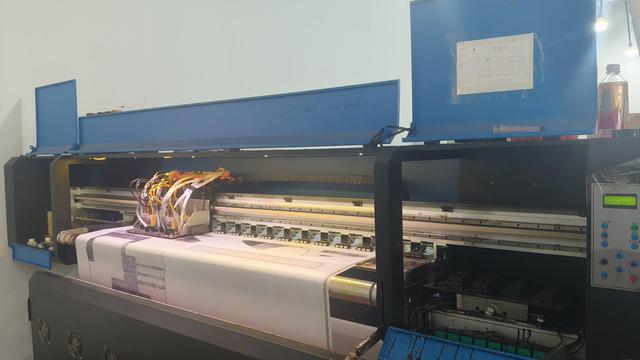
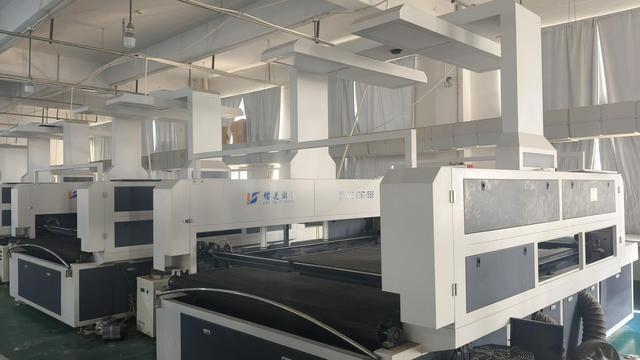
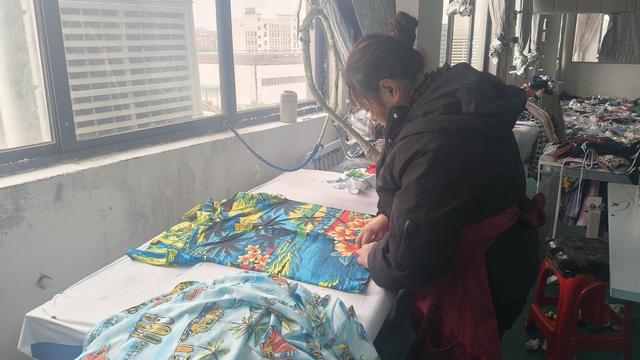
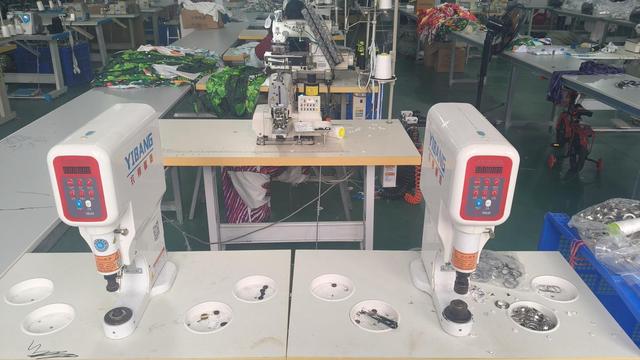
Step inside our state-of-the-art facility in Guangzhou to see where high-quality vintage garments are crafted.
 Beavo Fashion