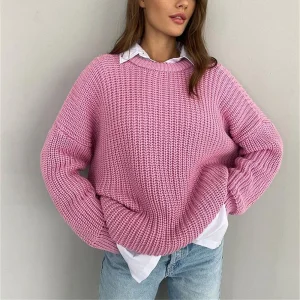
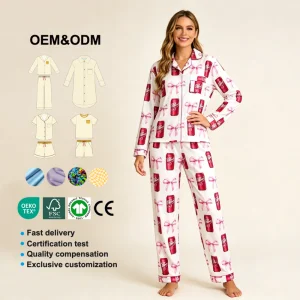
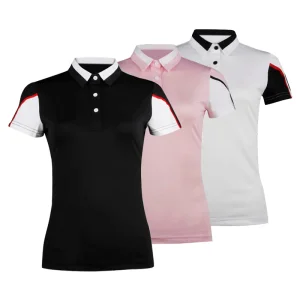
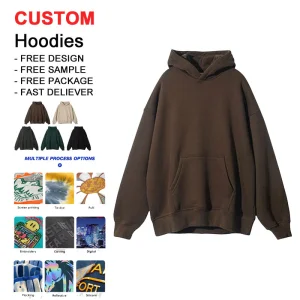
Curated design-to-manufacture technical products spanning circular knit structures, loungewear configurations, active recovery textiles, and foundational apparel lines.

Strategic growth insights mapping the convergence of high-performance knitting technology and commercial design evolution.
The international women's knitwear category is experiencing a structural realignment. Demands for versatility, dynamic insulation, and ESG metrics have shifted the humble sweater dress into a major pillar of international apparel distribution.
The global women’s knitwear market, valued at approximately USD 287.4 Billion in 2024, is projected to expand at a compound annual growth rate (CAGR) of 5.8% through 2030. Within this segment, knit dresses are growing faster than traditional items, showing an anticipated 7.2% CAGR.
Consumer preferences are moving toward "Athflow" designs—garments that transition smoothly from home to professional environments, making flat-knit materials popular in premium retail spaces.
Supply chains must adapt to changing regulations, such as the EU's Ecodesign for Sustainable Products Regulation (ESPR) and extended producer responsibility (EPR) mandates in the US. These laws require brands and factories to focus on traceabilty and recyclable designs.
Exporters must shift toward mono-material components (like 100% organic cotton or traceable wool blends) to simplify recycling and meet international standards.
A technical guide analyzing the critical capabilities of key export hubs. This matrix evaluates manufacturing capacity, technology stacks, compliance, and material capabilities.
| Manufacturer Segment | Regional Core | Technical Specialty | Key Compliance Standard | Avg. Lead Time |
|---|---|---|---|---|
| Guangzhou Premium (Beavo Fashion) | Guangzhou, China | 12GG-14GG Fine Knit, OEM/ODM Customization, Sustainable Yarn Blends | BSCI, OEKO-TEX 100, GOTS Certified Sourcing | 15 - 25 Days |
| Zhejiang Industrial Scale Hubs | Tongxiang, China | High-Volume 7GG Coarse Sweater Dresses, Acrylic Blends | ISO9001, WRAP | 30 - 45 Days |
| Direct-to-Retail Exporters | Dhaka, Bangladesh | Basic Circular Knitting, Heavy Cotton Sweater Knits | Accord, Alliance, BSCI | 60 - 90 Days |
| Southeastern Vertical Hubs | Nam Dinh, Vietnam | Polyester Blends, Sports/Athletic Inspired Hybrid Knits | WRAP, Better Work Program | 45 - 60 Days |
| Euro-Mediterranean Nearshoring | Izmir, Turkey | High-End Wool, Cashmere & Cotton-Viscose Engineered Knits | GOTS, Sedex SMETA | 21 - 35 Days |
*Sourcing Note: Direct logistics connections, quick turnaround times, and clean material sourcing make South China (Guangzhou) a key hub for premium knitwear and fast-fashion inventory management.
From CAD simulation to 3D seamless knitting, understanding the technical choices behind reliable industrial sweater dress production.
Reducing physical sampling by using digital 3D software (such as Browzwear or CLO 3D) to test fabric drape, elasticity, and pattern placement beforehand.
Calculating twists per inch (TPI) and gauge requirements (e.g., 12GG for fine drape, 5GG for cozy cable knits) to ensure proper weight and pilling resistance.
Using modern computerized flat knitting systems (like Shima Seiki WholeGarment or Stoll ADF) to produce garments with clean, irritation-free seams.
Applying controlled washing, softening, and anti-shrink treatments to stabilize the knit fabric and ensure reliable fit and shape retention.
Choosing the right gauge is critical for setting the fabric density and silhouette of a sweater dress:
An overview of fiber selections, performance properties, and modern compliance standards for women's knitwear production.
Bamboo viscose and modal are highly valued for their soft feel, natural drape, and moisture-wicking properties. These materials naturally help regulate temperature, making them excellent choices for comfortable lounge dresses and activewear sets.
From a manufacturing standpoint, blending viscose with fine-denier polyester or nylon improves tensile strength and helps prevent sagging at the elbows and seat.
Recycled Polyester (rPET) helps reduce reliance on petroleum-based materials. When blended with cotton or wool, rPET improves dimensional stability, shortens drying times, and increases wrinkle resistance.
To support retail marketing, manufacturers should provide Global Recycled Standard (GRS) transaction certificates to verify the supply chain path from post-consumer waste to finished yarn.
Merino wool and organic cotton remain key materials for premium collections. Organic cotton certified under GOTS ensures the product is free from hazardous processing chemicals.
For wool blends, sourcing under the Responsible Wool Standard (RWS) guarantees animal welfare and sustainable land management practices, helping brands meet ESG criteria.
How leading exporters adapt product dimensions, fits, and weights to match local consumer preferences and seasonal demands.
The North American market requires a wide size range, prioritizing comfortable stretch, stable armholes, and reliable performance under repetitive washing. Popular designs focus on relaxed-fit crewnecks and casual hoodie dresses.
Sourcing partners need experience with plus-size patterns to ensure clean, proportional fits across grading systems from XS to 3XL.
European consumers focus on minimalist aesthetics, fine stitch structures (12GG to 14GG), and neutral color palettes. Brands prioritize certified organic materials and low-impact production methods.
Exporters must comply with REACH regulations, certifying that dyes and finishes are free from harmful substances like heavy metals or formaldehydes.
East Asian markets prefer fine, lightweight knitwear and modular layering styles. Popular pieces include knitted slip dresses, sleeveless vests, and cardigans that can be mixed and matched.
Silhouettes generally favor loose, casual lines with detailed collar shapes, delicate embroidery, and neat button plackets.
An evaluation of modern OEM/ODM apparel manufacturing processes, capacity management, and quality control systems.
Guangzhou Beavo Fashion Co., Ltd. is a specialized Women's Clothing Manufacturer | Custom Fashion Apparel Supplier | OEM ODM Garment Factory, providing end-to-end design and production services for apparel brands, wholesalers, and private-label retailers globally.
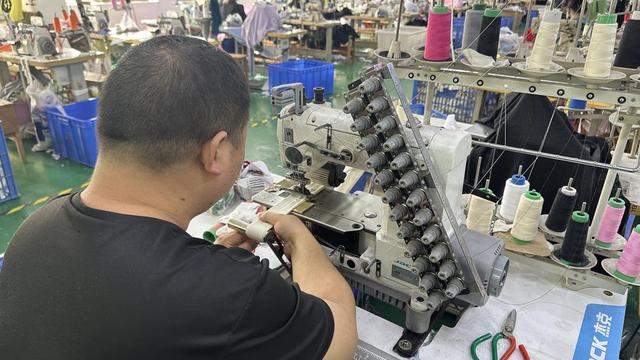
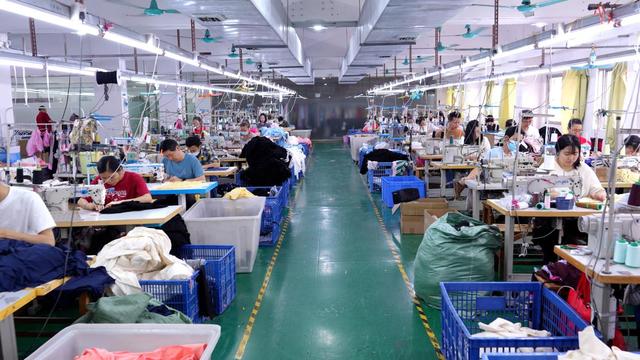
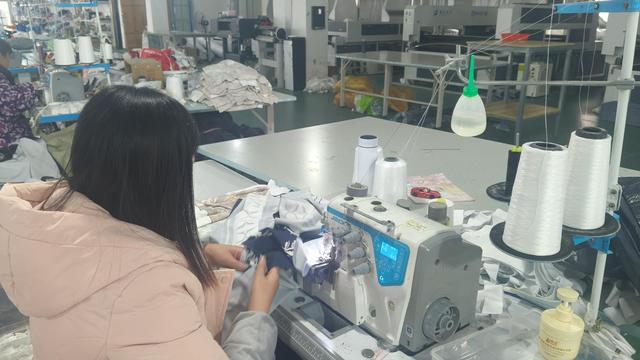
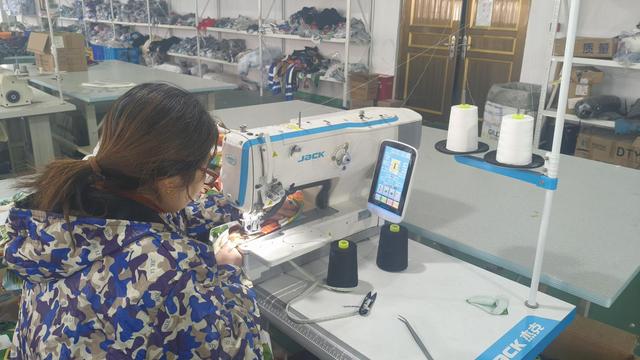
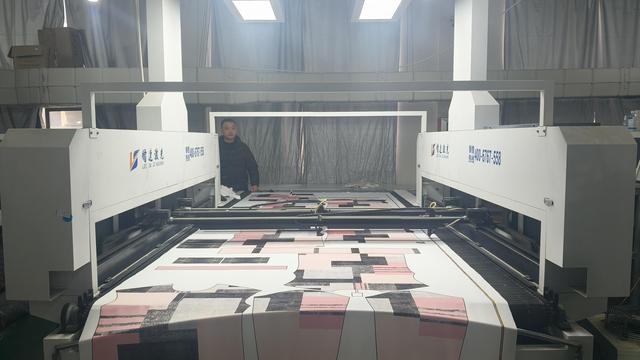
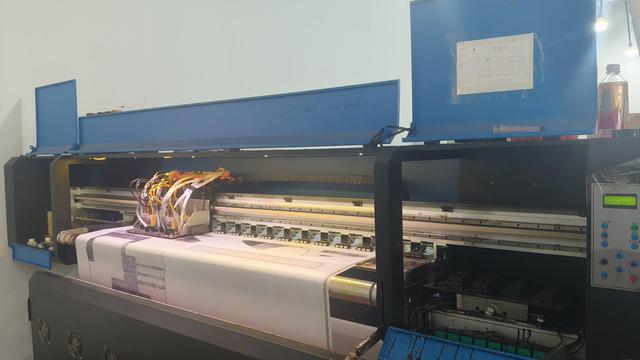
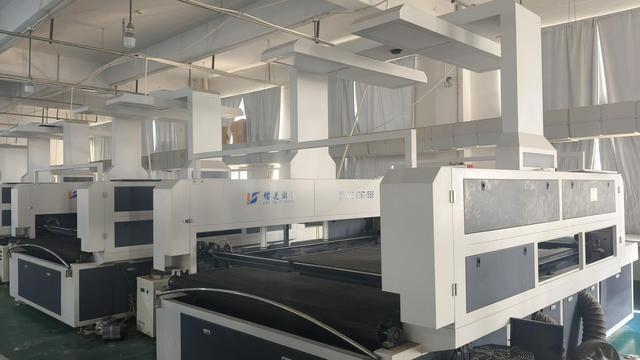
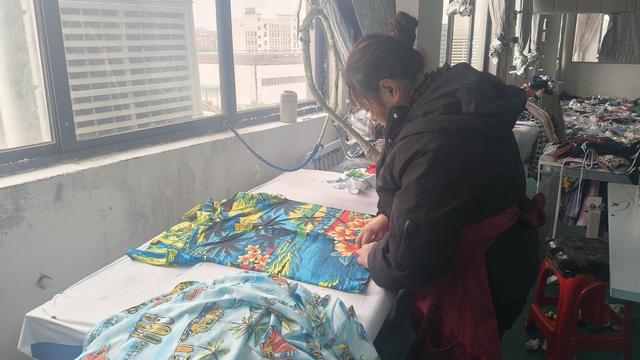
Established in 2012, Beavo Fashion operates an 8,000 square meter manufacturing facility in Guangzhou, China. Supported by a team of over 180 experienced professionals—including designers, pattern makers, and quality controllers—the factory specializes in high-quality women's knitwear, activewear, loungewear, and woven fashion collections.
As a flexible partner, Beavo Fashion provides complete services from fabric sourcing and custom sampling to bulk production and global shipping. The factory works with a wide range of materials, including cotton, polyester, rayon, linen, and spandex blends, maintaining reliable quality and quick turnaround times for both small-batch orders and high-volume runs.
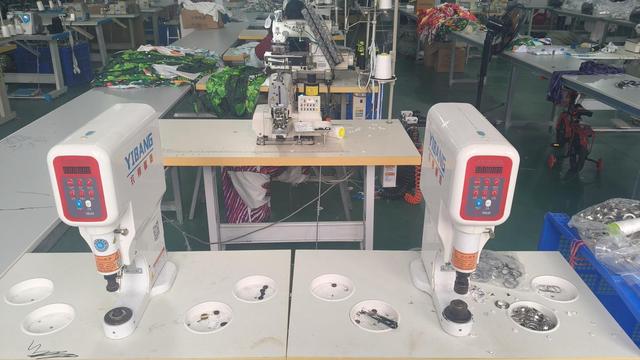
A step-by-step checklist to help sourcing managers mitigate common knitwear production issues and maintain reliable quality.
Knit fabrics are naturally flexible, which can lead to stretching or twisting after washing. Sourcing managers should specify pre-shrunk requirements and verify the dry-cleaning or wash-test performance of sample runs.
Testing for shrinkage (maintaining under 3-5% variation) ensures consistent fits for end customers.
Dye lot variations can lead to subtle color differences across production batches. To prevent this, require spectrophotometer matching against Pantone standards (maintaining a Delta E deviation under 1.0).
Conducting final color inspections under standardized light sources (D65 primary light) ensures consistent shading.
Set formal Acceptable Quality Limit (AQL 2.5) checkpoints covering fabric faults, skipped stitches, and seam stability before approving final shipments.
Working with third-party inspectors like SGS, Intertek, or QIMA helps verify construction details before the goods leave the factory.
Find answers to common technical, logistics, and quality questions faced by procurement managers sourcing knitwear and dresses.
Pilling is managed by using longer staple fibers, increasing yarn twist during spinning, and applying anti-pilling enzyme washes during wet processing. Viscose/nylon blends generally offer better pilling resistance than acrylic-dominated yarns.
MOQs typically range from 100 to 500 pieces per style/color, depending on yarn availability. In-stock yarns allow for smaller batch sizes, whereas custom-dyed colors or unique blends usually require larger production runs to set up the spinning machinery.
A 12GG fine-knit is ideal for transitional seasons. It provides a lightweight, breathable structure that can be easily layered, making it versatile for shifting temperatures.
Key social and chemical compliance certifications include BSCI, WRAP, and Sedex SMETA for working conditions, alongside OEKO-TEX Standard 100, GOTS, and GRS to verify fabric safety and recycled content.
Measurements must be taken flat on a relaxed surface without tensioning the fabric. Key control points include the chest width, total length, sleeve length, and neck opening, which must stay within specified tolerances (typically +/- 1.5 cm).
Lead times run from 15 to 25 days for express orders using stock yarns, and 45 to 60 days for fully custom yarns that require dedicated spinning, lab dip approvals, and custom dyeing.
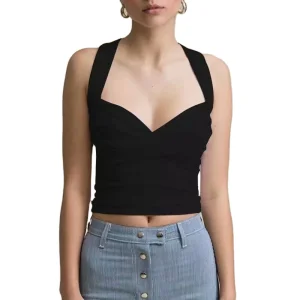
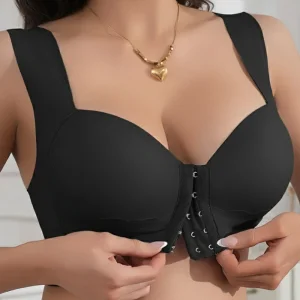
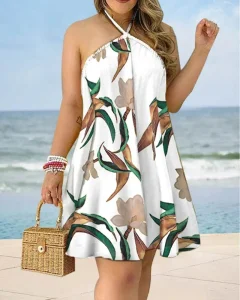
Additional product categories including high-rise activewear, woven jacquard blouses, knit cardigans, and summer occasion dresses.

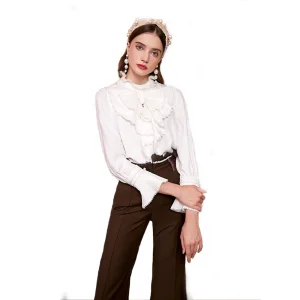
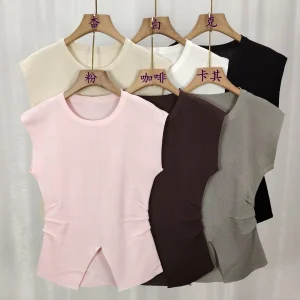
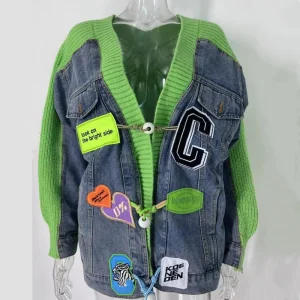
 Beavo Fashion