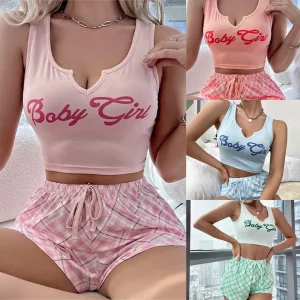
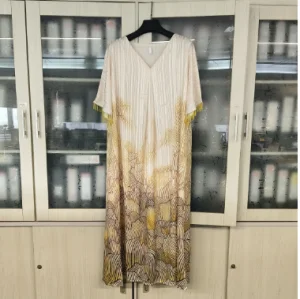
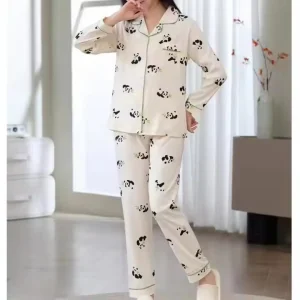
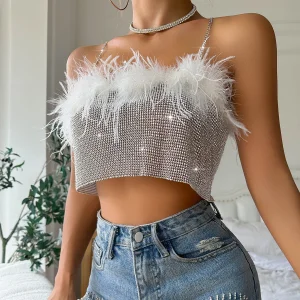
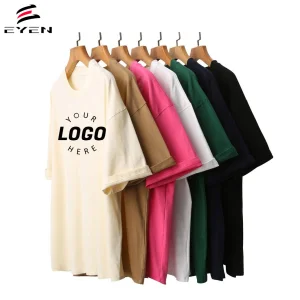
Explore our top-tier manufacturing capabilities, featuring customized activewear, casual comfort ranges, and precision-engineered apparel.

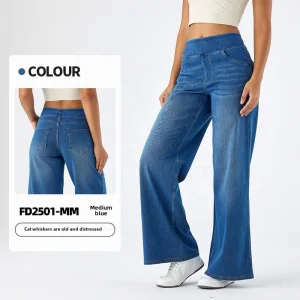
Over the past decade, the global apparel industry has witnessed a paradigm shift in women's bottom wear design metrics. Foremost among these changes is the monumental rise of Women's Culottes. Once regarded as a vintage mid-century staple, culottes have successfully re-established themselves as an essential product category. Bridging the gap between the structure of a skirt and the ease of a wide-leg pant, culottes offer unparalleled comfort, high versatility, and styling flexibility.
From a global procurement standpoint, enterprise buyers, wholesale apparel chains, and private label labels face unique sourcing challenges when procuring culottes. The crop design demands highly precise patterning, drape engineering, and fabric weight selection to ensure the garment flatters diverse silhouettes without compromising structural integrity. Consequently, choosing a supplier requires evaluating more than just price per unit; it demands analyzing the exporter's fabric manipulation technology, design capacity, and supply chain reliability.
We track and monitor global retail consumption patterns to deliver maximum utility. Current market research shows a 34% increase in year-over-year search queries for "breathable, office-appropriate wide-leg pants," highlighting a strong demand for transitional apparel that bridges leisure and professional settings.
Deep dive into the specialized textile compositions, weights, and processing techniques required for retail-ready women's culottes.
We optimize fabric blends to balance drape and durability. High-density Lyocell (Tencel) blends provide natural cooling and fluid movement, while Polyester-Viscose-Spandex formulations deliver excellent recovery, low crease rates, and shape retention for office wear.
We adjust fabric weight to match seasonal product lines. Spring/Summer programs use lightweight structures from 140 to 180 GSM. Autumn/Winter programs utilize medium-weight compositions from 220 to 280 GSM to ensure proper structure and thermal comfort.
All fabrics undergo strict testing to meet international durability standards. We measure dry and wet rubbing fastness (Grades 4-5) and seam slippage limit parameters, ensuring long garment lifespans through repeated commercial laundry cycles.
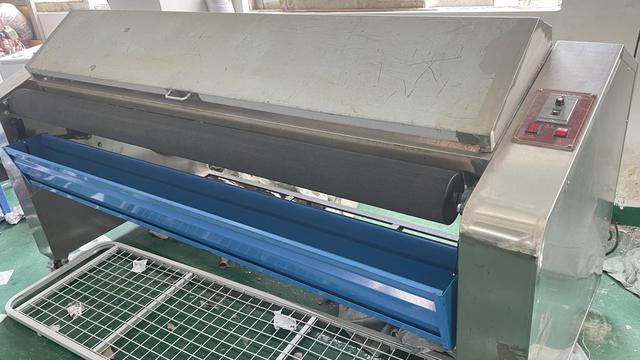
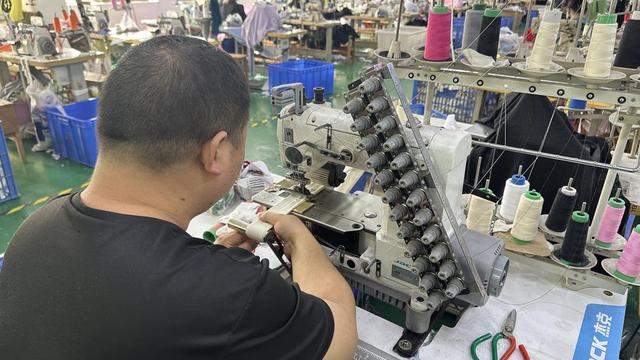
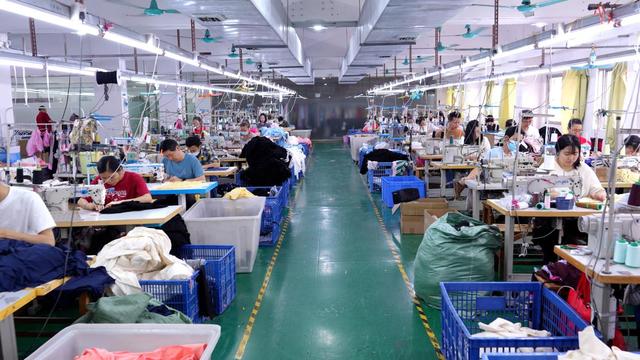
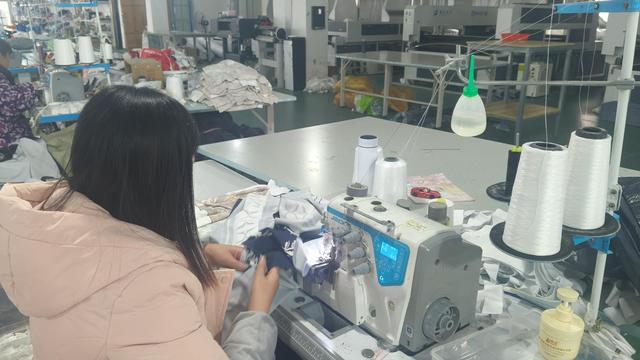
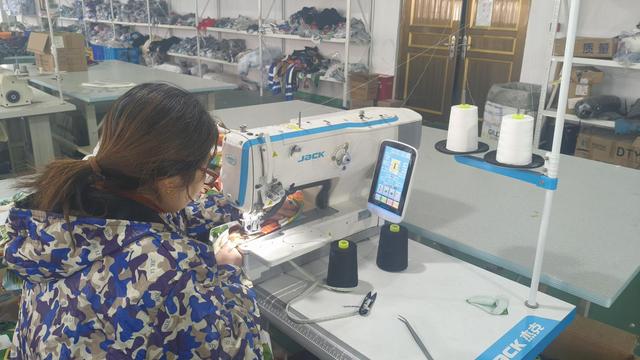
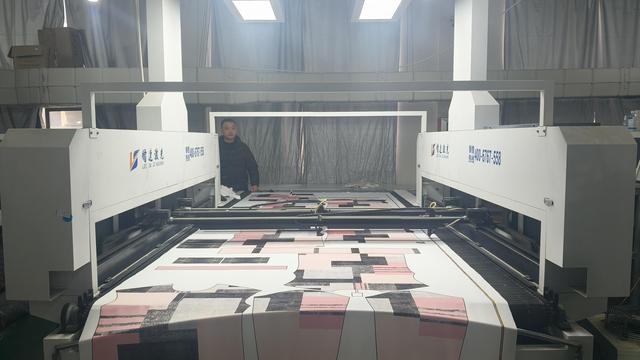
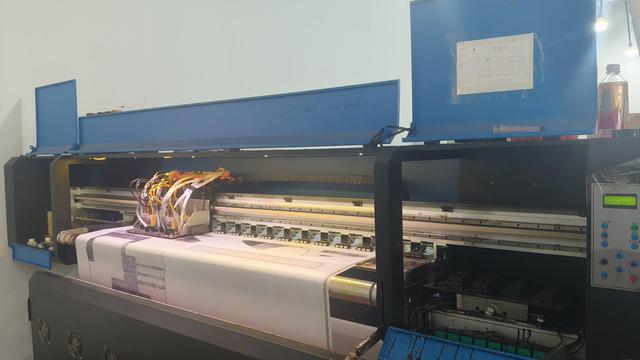
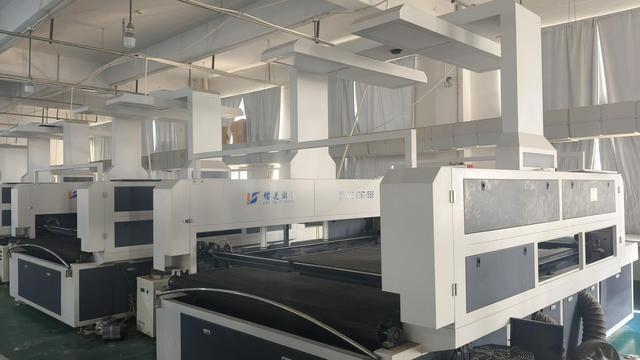
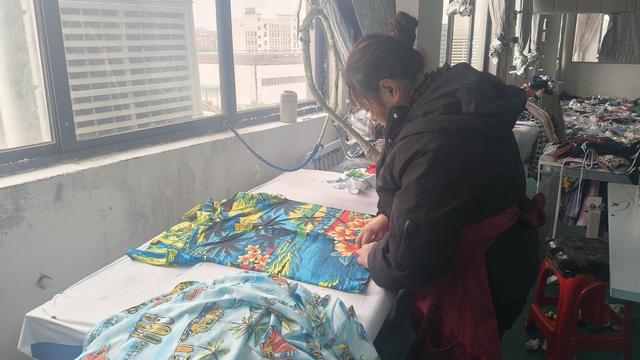
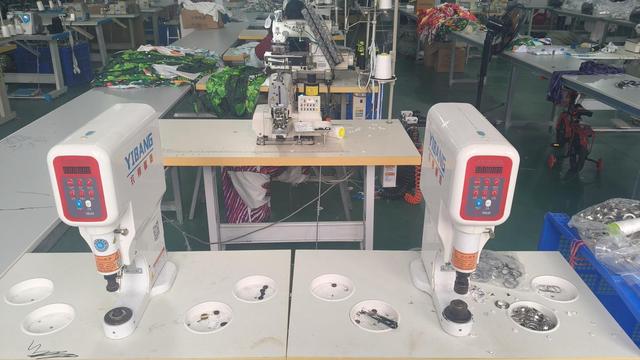
To understand what makes a premier manufacturing partner, we look to leaders like Guangzhou Beavo Fashion Co., Ltd. Established in 2012, Beavo Fashion has built a reputation as a professional women's clothing manufacturer, custom fashion apparel supplier, and OEM/ODM garment factory. Their operations support global apparel brands, wholesalers, retailers, and e-commerce labels worldwide.
Operating an 8,000 square meter facility in Guangzhou, China, their team of over 180 skilled professionals—including designers, pattern makers, and quality inspectors—enables end-to-end production monitoring. They specialize in high-grade women's apparel, from tailored dresses and blouses to premium culottes, skirts, trousers, activewear, and knitwear.
Beavo Fashion provides full supply chain support, covering fabric sourcing, custom prototype development, bulk manufacturing, and global shipping. Their capacity to work with varied materials like cotton, linen, rayon, polyester blends, and eco-certified textiles allows them to meet shifting market demands and design specifications.
A structured guide for evaluating potential apparel manufacturers on technical capabilities, production efficiency, and compliance standards.
The drape of a wide-leg culotte is determined by precise pattern drafting. Buyers should look for suppliers utilizing CAD-based pattern creation systems (such as Gerber or Lectra). Computerized grading ensures size consistency from XS to XXL+ without altering the garment's visual proportions. Look for suppliers who offer digital pattern checking and 3D virtual fittings to minimize prototype iterations and speed up time-to-market.
Ensure your manufacturer tests the bias drape coefficient of the fabric. Culottes require a controlled flare that hangs vertically without ballooning. Request fabric drape test logs during the design stage.
Culottes are typically styled at the waist, placing structural stress on the waistband. Whether designing a flat-front waist with a gathered back or a tailored clean-finish waistband with an invisible zipper, stitch density is key. Partner with factories that maintain a minimum of 10 to 12 stitches per inch (SPI) using high-grade polyester core-spun threads. This prevents seam splitting and maintains waistband shape over time.
Modern consumers expect ethical manufacturing practices. When vetting suppliers, confirm they hold third-party audits such as BSCI (Business Social Compliance Initiative), Sedex/SMETA, or WRAP. These certifications verify fair wages, safe working environments, and transparent production practices, protecting brand equity from supply chain risks.
An overview of the manufacturing workflow, showing the quality control checkpoints from design concept to final export packaging.
We convert design concepts and tech packs into digital patterns. Our team creates initial proto samples within 5-7 working days, verifying fit dimensions and fabric performance before committing to bulk runs.
Bulk fabrics undergo tension-free relaxation to prevent post-cut shrinkage. Automated spreading and computer-guided cutting cutters achieve dimensional accuracy within a 1mm tolerance margin.
Quality control inspectors conduct in-line checks at assembly points, focusing on pocket symmetry, hem evenness, and waistband tension. Finished goods must pass a final random inspection based on AQL 2.5 standards.
How leading manufacturers adopt sustainable materials and automated production to meet changing market demands.
The global apparel landscape is increasingly shaped by regulatory and consumer demand for sustainability. Exporters of women's culottes are moving away from traditional synthetic polymers to incorporate eco-friendly alternatives. Biodegradable lyocell, organic cotton, and recycled polyester yarns (such as Repreve) help brands lower their carbon footprint while maintaining product quality.
In addition to sustainable fiber sourcing, modern dye houses implement advanced finishing processes, including dry ozone wash technology and closed-loop water filtration. These systems reduce clean water consumption by up to 80% and lower energy usage during production. Partnering with suppliers that offer these eco-efficient processes helps brands prepare for stricter environmental regulations.
The European Union's Extended Producer Responsibility (EPR) requires brands to verify the recyclability of their textile imports. Sourcing monomaterial or high-purity natural fiber blends simplifies compliance with post-consumer recycling regulations.
On the factory floor, manufacturers are integrating real-time production tracking (RFID) and AI-driven layout planning to reduce fabric waste by up to 4%. These technological advancements help offset rising labor costs, allowing suppliers to maintain competitive wholesale pricing without compromising craftsmanship or worker welfare.
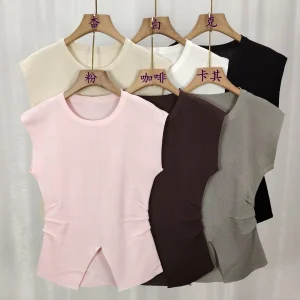
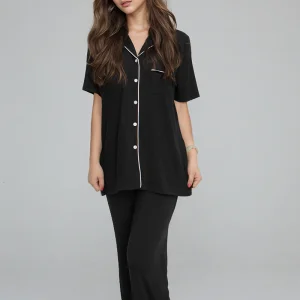
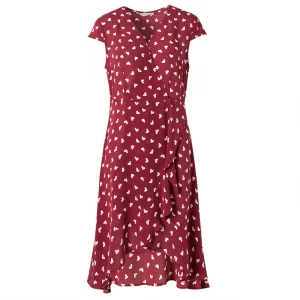
Browse our seasonal wardrobe solutions, showcasing technical outerwear, knitwear, and lightweight custom casual selections.
Key strategies for managing international customs clearance, duty structures, and cross-border logistics routes.
Navigating global logistics requires detailed attention to tariff structures and trade agreements. Harmonized System (HS) codes must be accurately assigned (for example, HS 6204.62 for cotton-based trousers and culottes) to avoid customs delays and miscalculated duty rates. Experienced exporters assist buyers in optimizing classification to utilize preferential tariff agreements when available.
In addition, maintaining clear cargo tracking and organized documentation is essential. Key documents—such as the bill of lading, commercial invoices, detailed packing lists, and certificates of origin—must align to prevent container detention at destination ports. Working with established freight forwarders and booking vessel space in advance helps brands maintain consistent delivery timelines during peak shipping seasons.
Answers to common B2B questions regarding MOQ requirements, custom manufacturing, logistics, and quality assurance.
Our standard MOQ starts at 100 to 300 pieces per style/color, depending on the fabric chosen. For stock-supported programs using inline fabrics, we can discuss lower starting quantities to help brands test new styles.
Yes. We specialize in custom pattern grading for diverse global regions. We work with standard US, EU, UK, and AU sizing charts, and can also grade patterns based on a brand's proprietary tech packs.
Prototype samples are typically completed within 5-7 working days. Once the pre-production sample is approved and fabrics are finalized, bulk manufacturing runs take approximately 25-35 days, depending on order volume.
Yes. We source OEKO-TEX Standard 100 and GOTS-certified textiles upon request. Our partner dye houses meet Reach regulations, ensuring no restricted substances are used during processing.
We implement a multi-stage quality control process: initial fabric inspection, in-line check points at stitching lines, and final finishing inspections. We welcome third-party audits (like SGS or Intertek) prior to container loading.
We support FOB, CIF, EXW, and DDP terms depending on client preference. Standard B2B payment structures include Telegraphic Transfer (T/T) and Letter of Credit (L/C) for larger contract orders.
 Beavo Fashion