Why Do Women's Clothing Sizes Differ Between Brands?

Time:2026-07-13 Author:Isabella
0%

Navigating women's fashion can often feel confusing. When trying on clothes, many women face the frustrating question: "Why do women's clothing sizes vary by brand?" This variance leads to inconsistencies, making shopping a challenging experience.

Different brands have their unique sizing standards, influenced by various factors like target demographics and design philosophies. For instance, a size 8 in one label may feel more like a size 6 in another. Additionally, design choices impact the fit. Some brands prioritize comfort with looser styles, while others focus on a more fitted look.

This discrepancy raises important considerations. It can cause women to second-guess their body image. The reliance on arbitrary sizing can discourage women from shopping confidently. Many hope for a more standardized system but must also accept the current reality of a diverse fashion landscape. Understanding these factors may help ease the frustration, yet it also highlights a larger conversation about body inclusivity in fashion.
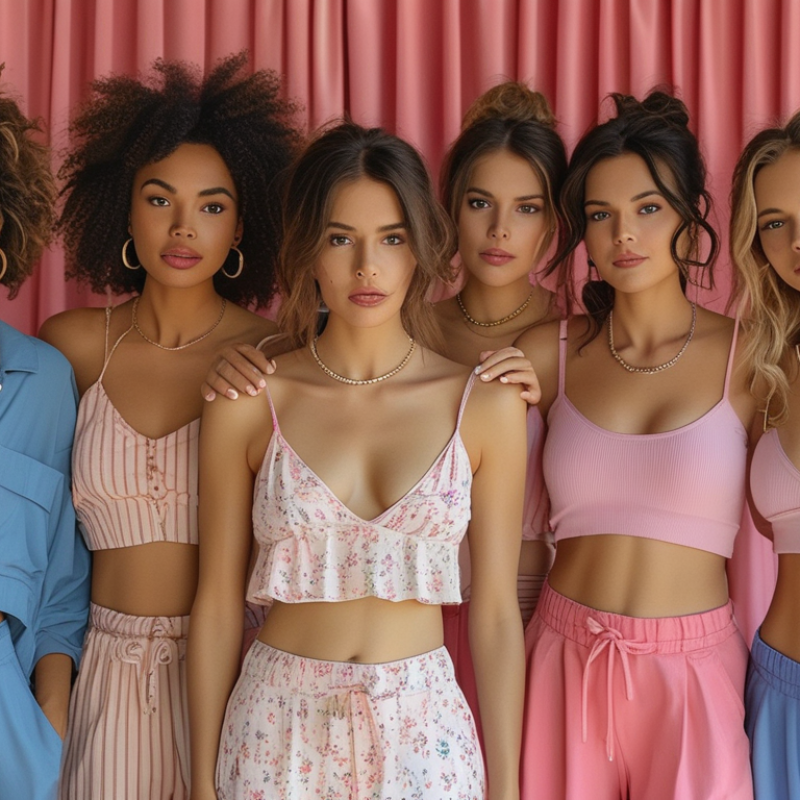
Why Do Women's Clothing Sizes Differ Between Brands?

Factors Influencing Clothing Size Standardization Across Brands

Clothing sizes for women vary widely between brands, influenced by multiple factors. One primary factor is the lack of standardized sizing systems across the industry. According to the American Society for Testing and Materials, size charts can differ by as much as 2-3 inches even within the same size category. This inconsistency can lead to confusion and frustration for consumers.

Another influencing element is the target demographic of a brand. Brands often cater to specific body types, regional sensibilities, and even cultural preferences. For example, a study published by the Fashion Institute of Technology revealed that 70% of women prefer a fit based on their unique body shape rather than a standardized size. This need for individuality encourages brands to create their own sizing systems, which exacerbates the differences between them.

The design and manufacturing processes also contribute to these disparities. Fit models may vary significantly in body proportions, leading to diverse interpretations of the same size. This reflects broader issues within the industry, where a one-size-fits-all philosophy feels increasingly outdated. As consumers demand inclusivity, brands face challenges in maintaining a cohesive sizing strategy while attempting to honor body diversity. The journey towards size standardization remains fraught with contradictions and complexities.

Variability in Body Measurements and Proportions Among Women

The variability in body measurements among women is significant. Women come in all shapes and sizes, influenced by genetics, lifestyle, and age. This diversity makes it challenging to create standardized clothing sizes. A size 8 from one brand may fit differently than a size 8 from another.

Moreover, women often have unique proportions. Some may have broader shoulders and narrower hips, while others may have the opposite. These differences are not always accounted for in size charts. The frustration of trying multiple sizes only to find one that fits is common. It raises questions about the effectiveness of sizing systems.

Many women experience this mismatch. Shopping can become a battle against inconsistent fits. It's frustrating when a top labeled as medium feels too tight or too loose. This inconsistency fuels the need for a more inclusive and thoughtful approach to sizing. With awareness of body diversity growing, perhaps the industry will evolve to better meet women's needs.

Impact of Cultural Differences on Women's Clothing Sizing

Cultural differences have a significant impact on women's clothing sizes. Various countries have distinct perceptions of body shapes, which influences sizing systems. For instance, in the United States, average women’s sizes range from 16 to 18, while in Europe, the typical size is 40 to 42. This discrepancy reflects broader cultural attitudes towards body image and beauty standards.

Furthermore, a 2021 industry report indicated that up to 80% of women feel frustrated when shopping for clothes due to inconsistent sizing. This inconsistency often leads to uncertainty. A woman's size can change dramatically between brands. In some cultures, smaller sizes are favored, while others embrace diverse shapes. These differences create confusion, leaving women questioning what size they truly wear.

Interestingly, many brands lack standardized sizing charts. A cultural study from 2022 found that countries with more rigid beauty norms have stricter size definitions. This can alienate customers who don’t fit the mold. As a result, many women resort to alterations or simply avoid shopping altogether. This reflects a need for brands to reconsider their sizing strategies, ensuring inclusivity and accuracy.

The Role of Fabric and Fit in Size Representation

Women's clothing sizes can vary dramatically from one brand to another. This inconsistency often confuses shoppers. A major factor is the fabric used in the clothing. Different materials stretch and drape differently. For example, a dress made from cotton may fit snugly, while one made from polyester could feel looser. Understanding this can help women choose sizes that actually fit.

Fit plays a crucial role in size representation. Different brands have unique size charts based on their target audience. One brand may favor a slimmer silhouette, while another might prioritize comfort with looser styles. Even within a brand, the cut and design can lead to varying fit. A size 8 in one style might feel like a size 6 in another.

Challenge yourself to try on garments before buying. Sizes may not be consistent even within your familiar brands. This trial-and-error process can be frustrating. Embrace the idea that it is normal to find different fits. Remember, the goal is to feel confident and comfortable in what you wear, regardless of the number on the label.

Consumer Perception and Brand Marketing's Influence on Sizing

The sizing of women’s clothing varies significantly across brands. This inconsistency can confuse consumers. Many shoppers find themselves perplexed when trying on the same size but feeling a difference in fit. This discrepancy often stems from brand marketing strategies aimed at differentiating products.

Brands tend to employ unique sizing charts to cater to target audiences and create a specific identity. For instance, a brand may promote “body positivity” by suggesting a size that differs from standard measurements. This approach can lead to a distorted perception of what size truly means. Shoppers may feel pressure to fit into a certain narrative rather than wearing what feels comfortable.

Moreover, marketing plays a vital role in shaping consumer perceptions. Advertisements and social media often promote ideal body shapes, influencing how sizes are perceived. This can lead to a frustrating experience when shoppers discover that sizes do not match their expectations. Reflecting on this issue highlights the need for a more standardized approach to sizing. It encourages brands to rethink how they represent size and fit in their marketing. Clarity is crucial for empowering consumers and building trust.

FAQS

: Why do clothing sizes vary so widely between brands?

: Clothing sizes vary due to a lack of standardized sizing systems in the industry, causing confusion for consumers.

What influences a brand's sizing system?

A brand's target demographic, regional preferences, and cultural sensibilities significantly influence their sizing choices.

How does body diversity affect clothing fit?

Women have diverse body shapes and proportions, making it hard to create a consistent sizing standard across brands.

What percentage of women prefer clothing that fits their unique body shape?

About 70% of women prefer a fit based on their individual body shape, not standardized sizes.

Why is shopping for clothes often frustrating?

Many women find that sizes labeled the same can fit differently, leading to frustration during the shopping process.

How do cultural differences impact women's sizing?

Different countries have various perceptions of body shapes, resulting in significant discrepancies in clothing sizes across cultures.

What do women frequently experience with sizing systems?

Many women encounter mismatches, where one size feels too tight or loose, highlighting flaws in sizing systems.

How do beauty standards affect clothing sizing?

Stricter beauty norms in certain cultures result in more rigid size definitions, alienating customers who don’t fit those molds.

What is a common outcome of inconsistent sizing for shoppers?

About 80% of women feel frustrated when shopping due to inconsistent sizes, causing uncertainty about what size to choose.

How might the industry evolve regarding sizing?

With growing awareness of body diversity, the industry may need to adopt more inclusive and thoughtful sizing strategies.

Conclusion

The article "Why Do Women's Clothing Sizes Differ Between Brands?" delves into the complexities surrounding women's clothing size variability. One of the primary factors influencing why do women's clothing sizes vary by brand is the lack of standardization in size charts across the fashion industry. Each brand often uses different body measurements and proportions, contributing to significant discrepancies in how clothing fits different body types.

Moreover, cultural influences play a significant role in shaping sizing standards, as preferences and body ideals differ from one society to another. The materials and fit of garments further complicate sizing, with varying fabric properties affecting how sizes are perceived and wear. Additionally, consumer perceptions and marketing strategies also impact sizing decisions, prompting brands to adjust their sizes to appeal to their target demographics. Overall, these elements reflect the multifaceted nature of clothing sizes, making it essential for consumers to be aware of such variations when shopping.

Isabella

Isabella

Isabella is a dedicated marketing professional with a sharp focus on driving brand growth and engagement through strategic content creation. With an extensive background in digital marketing, she combines her passion for storytelling with her keen understanding of industry trends to deliver......