When exploring the question of why do women's clothes fit differently in China, a myriad of factors comes into play. Cultural standards of beauty, body shape variation, and sizing systems diverge significantly between regions. For instance, Chinese fashion often emphasizes a more slender silhouette, affecting design choices. This cultural influence leads to a specific aesthetic that can create challenges for women accustomed to different fit norms.
Moreover, the sizing scales in China are not always aligned with those in Western countries. This discrepancy can lead to confusion for shoppers, as sizes may not represent the same measurements. It is not uncommon for women to find that they need to adjust their size or choose styles that differ from their usual preferences. This inconsistency raises important questions about how global brands navigate these complexities.
This situation also reflects broader issues of inclusivity and representation in fashion. While some brands are adapting to regional preferences, many still overlook the diversity of body types. The ongoing debate about how to achieve a universal sizing standard invites reflection on the importance of understanding different markets. As consumers, the need for better fit is a call to action for both brands and individuals.
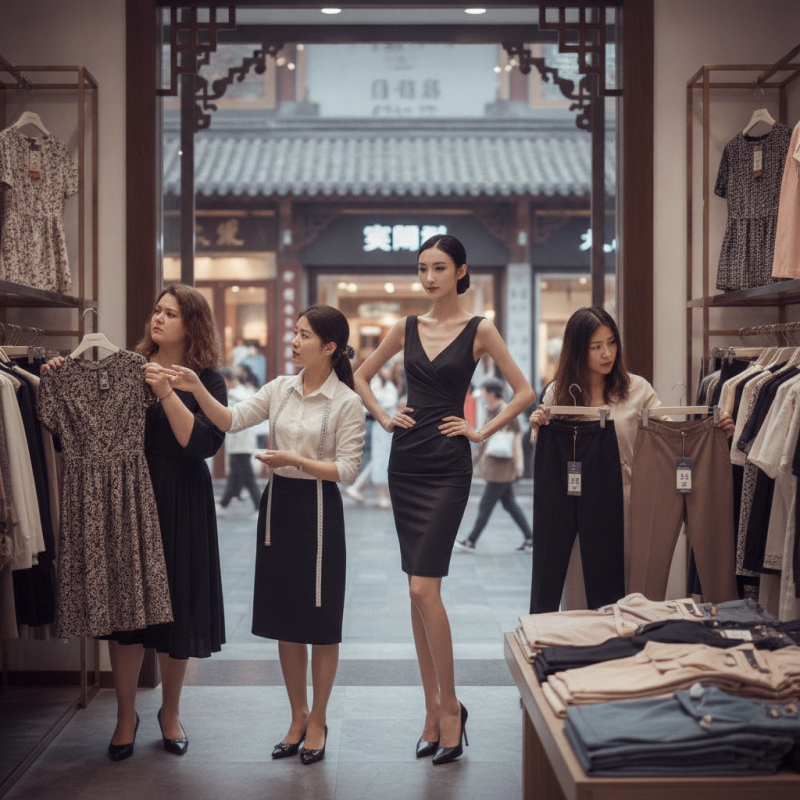
Factors Influencing the Fit of Women's Clothing in China
The fit of women's clothing in China is influenced by various cultural and physiological aspects. One significant factor is the difference in body shapes and sizes among women in Asian countries compared to Western standards. Many Chinese women tend to have a smaller frame, leading to variations in sizing charts. This can result in clothes that may feel too loose or tight, depending on the brand and design.
Cultural preferences play a critical role in garment fit. For instance, beauty ideals often emphasize slender silhouettes. Consequently, clothing manufacturers may prioritize styles that accentuate a petite figure. This can lead to frustration for many shoppers who find that standard sizes do not cater to diverse body types. Additionally, regional styles vary widely, affecting how clothing fits and feels.
It's interesting to note that while globalization has opened doors, it has not standardized fit. International brands may still design products with their home country's averages in mind. This discrepancy often leads to a mix of satisfaction and disappointment among consumers. Local brands strive to align with traditional preferences, but they, too, face challenges in meeting the diverse needs of a rapidly changing market.
Size Standards: Understanding China's Unique Sizing System
China's sizing system differs significantly from Western standards. This disparity often leads to sizing confusion for international shoppers. In China, women's clothing sizes are often based on measurements of bust, waist, and hip. However, these measurements can vary considerably among local brands. According to a report by the China National Textile and Apparel Council, around 70% of Chinese women wear sizes that may not align with common international standards.
The inconsistency in sizing is compounded by a lack of universal size charts. In fact, a study indicated that over 60% of women's clothing sold online in China does not adhere to a consistent sizing format. This can lead to frustration, as shoppers may find themselves choosing sizes based on subjective interpretations. Consequently, it's important for consumers to be aware of this unique sizing structure and to take precise measurements before making purchases.
To navigate this distinctive landscape, shoppers should consider looking for specific size guides. Many online retailers provide detailed measurement charts. However, these may not be entirely reliable due to varying brand standards. The solution may lie in customer reviews or feedback regarding fit. As the market evolves, there’s a growing call for improved standardization to ease shopping complexities for consumers.
Why Do Women's Clothes Fit Differently in China? - Size Standards: Understanding China's Unique Sizing System
| Size (China) |
Bust (cm) |
Waist (cm) |
Hip (cm) |
International Size |
| S |
80-84 |
60-64 |
84-88 |
XS/S |
| M |
84-88 |
64-68 |
88-92 |
S/M |
| L |
88-92 |
68-72 |
92-96 |
M/L |
| XL |
92-96 |
72-76 |
96-100 |
L/XL |
| XXL |
96-100 |
76-80 |
100-104 |
XL/XXL |
Cultural Influences on Women's Fashion and Fit Preferences
Many factors shape women’s fashion and fit preferences in China. Cultural history plays a crucial role. Traditional values emphasize modesty and subtlety in design. This influences how modern clothing is tailored and received. For example, styles often feature loose-fitting designs that provide comfort while adhering to cultural standards.
Moreover, body image perceptions differ widely. In many Western contexts, a curvier body type is celebrated. Contrastingly, Chinese fashion often idealizes a slender silhouette. This doesn’t mean all women share these views, but the prevailing standards impact clothing fit. Sometimes, this creates frustration for those who don't fit the mold.
Fashion trends evolve rapidly. The rise of social media influences younger generations. Women now seek individual expression alongside cultural adherence. However, the clash between global trends and local traditions can lead to confusion. As styles shift, understanding these cultural nuances is essential for a better fit in women's clothing.
Material Choices and Production Techniques Affecting Garment Fit
The fit of women's clothing in China often differs from Western norms. This is largely due to varying material choices in garment production. Fabrics commonly used in China may have different stretch and drape characteristics. For instance, cotton blends are frequent, offering breathability but sometimes lacking the structure needed for a tailored look.
Production techniques also play a significant role. Many garments are produced in large factories with standard sizing. This can lead to inconsistencies in how clothes fit different body types. Sizing charts may not align with actual measurements. Many women find themselves trying on multiple sizes before finding the right fit, which can be frustrating.
Cultural influences further complicate garment fit. Women’s body ideals often shift based on trends and local preferences. This creates a mismatch between what is produced and what women actually need. Reflecting on these aspects is crucial for anyone involved in the fashion industry. Both producers and consumers must navigate these challenges for better garment fit and satisfaction.
Factors Affecting Women's Clothing Fit in China
The Role of Demographics in Shaping Clothing Fit Trends in China
In China, the fit of women's clothing varies significantly across demographics. This discrepancy often stems from differences in body shapes and sizes influenced by factors such as age, region, and lifestyle. A study by the China National Garment Association noted that the average height of Chinese women has increased over the past few decades. This evolution means that brands face challenges in adapting their sizing to cater to taller, more diverse body types.
Additionally, urbanization plays a crucial role in shaping clothing fit trends. Cities like Shanghai and Beijing showcase a more cosmopolitan style, where trends lean towards slimmer fits. In contrast, rural areas may favor more relaxed and comfortable clothing. According to a report by Statista, about 50% of women in urban areas prefer form-fitting clothing, while only 30% of those in rural areas do. This divergence underscores the importance of demographic factors in the apparel industry.
However, many brands still operate on a one-size-fits-all model, often neglecting regional nuances. This leads to common complaints about sizing inconsistency. Additionally, the influence of social media and fashion influencers can create unrealistic expectations regarding body image and fit. With growing awareness of these issues, brands must rethink their approach to fit, ensuring they consider the diverse needs of all demographics in China.
FAQS
: Cultural history plays a significant role, emphasizing modesty and comfort in design.
Chinese fashion often idealizes a slender silhouette, while some Western cultures celebrate curvier body types.
Many women do not fit the prevailing body ideals, creating challenges in finding suitable styles.
Younger generations use social media for individual expression, leading to a blend of global trends and local traditions.
Cotton blends are popular for their breathability but may lack structure for tailored looks.
Large factories often use standard sizing, leading to inconsistencies in how clothes fit different body types.
Sizing charts may not match actual measurements, causing frustration in trying multiple sizes.
It helps bridge the gap between evolving trends and local needs for better garment fit.
Shifting body ideals create mismatches between what is produced and what women need.
By addressing fit and comfort, both producers and consumers can achieve greater satisfaction.
Conclusion
The article "Why Do Women's Clothes Fit Differently in China?" explores various factors that contribute to the unique fit of women's clothing in China. Key influences include the country's distinct sizing system, which often varies significantly from Western standards, leading to confusion among consumers. Additionally, cultural preferences play a crucial role, as societal ideals regarding body shapes and fashion trends shape what is deemed acceptable or desirable in women's apparel.
Moreover, material choices and production techniques further impact how garments fit, with different fabrics and manufacturing processes leading to variations in comfort and style. Demographic shifts, such as changes in average body sizes and consumer lifestyles, also affect clothing fit trends. By examining these elements, the article sheds light on why women’s clothes fit differently in China, highlighting the complexities behind sizing and fashion in a rapidly changing society.

 Beavo Fashion