Why is women's activewear becoming more popular? The answer is not limited to gym culture. Many women now wear leggings, sports bras, and lightweight jackets during commutes, errands, travel, and home routines. A pair of supportive leggings can move from a morning walk to a supermarket visit without requiring an outfit change. That everyday flexibility has changed how people judge clothing.
Comfort remains central. Stretch fabrics, flat seams, breathable panels, and secure pockets can make movement easier. Some consumers also look for recycled materials, durable stitching, and transparent production information. These details matter when clothing is washed repeatedly or worn for long working days. Designers, sportswear specialists, and fitness professionals often emphasize fit, moisture management, and freedom of movement. Their guidance helps shoppers separate useful features from attractive marketing.
Still, the trend is not perfect. Some brands promise performance that basic testing may not support. A soft fabric may feel comfortable but become transparent during squats. A stylish waistband may roll during a run. Price also creates a barrier, especially when ethical materials and careful construction increase costs. Personal experience, reliable product information, and honest reviews therefore remain important.
This article explores the practical and cultural reasons behind activewear’s growth. It examines changing lifestyles, body confidence, social media influence, fabric innovation, and the rise of athleisure. It also considers environmental concerns and whether constant new releases encourage unnecessary purchases. Activewear is popular, but popularity alone does not prove quality.
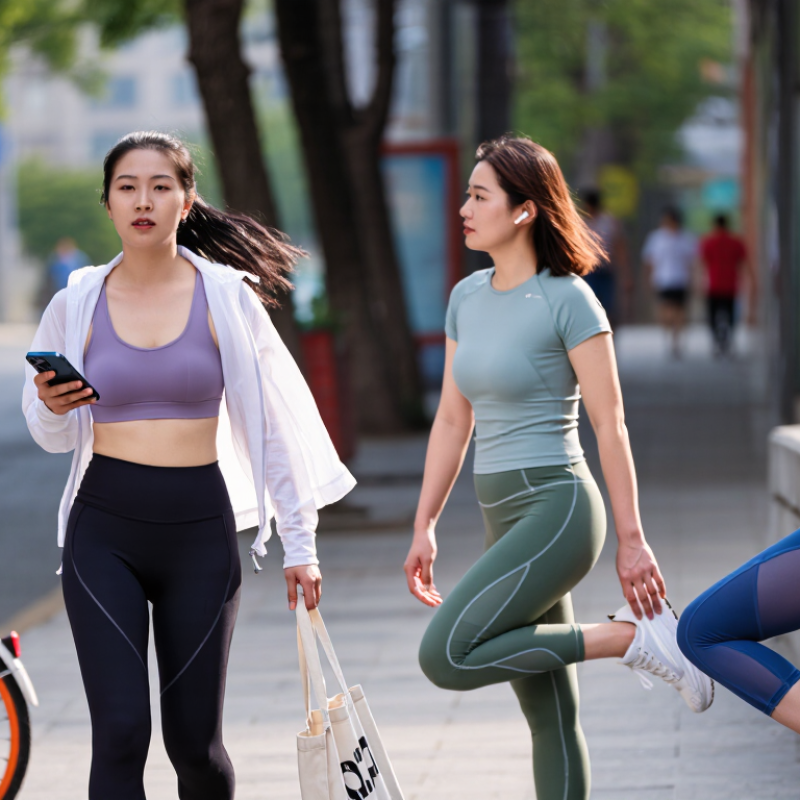
Women’s activewear means clothing designed for movement, exercise, and physical comfort. It includes leggings, sports tops, training shorts, supportive bras, and lightweight outer layers. Unlike ordinary clothing, activewear often uses stretch fabrics, breathable panels, and secure seams. These details help reduce friction during running, stretching, or daily walking.
The category has changed significantly. Earlier garments mainly served specific sports and offered limited style choices. Later, improvements in fabric technology created softer materials with better stretch and moisture management. High-waisted leggings, adjustable layers, and flexible tops became common. Activewear then moved beyond gyms. People began wearing it for commuting, errands, outdoor activities, and relaxed work settings. This change reflects practical needs, not only fashion trends.
In my experience, a well-designed outfit can make movement feel easier. It should stay in place when someone bends or reaches. Comfort matters. Fit still varies. Some waistbands roll down, while some seams irritate the skin after an hour. Inclusive sizing has improved, but it remains uneven across the industry. Designers now pay more attention to body shape, support levels, fabric transparency, and temperature control. These improvements are useful, although they do not solve every problem. Durability also deserves more attention, because frequent washing can weaken elastic fibers and shorten a garment’s life.
Women’s activewear is becoming more popular because daily life is more flexible and physically active. Many women now move between work, travel, errands, and exercise in one day. Clothing must keep up. Breathable fabrics, soft waistbands, and four-way stretch improve comfort during long hours. Practical details matter too. Secure pockets can hold keys during a walk. Quick-drying materials help after a lunchtime workout. In my experience, these small features often influence buying decisions more than bright colors.
Growing health awareness also drives demand. More women are joining walking groups, strength classes, cycling sessions, and outdoor activities. Activewear supports these routines without always feeling restrictive. Better size ranges and more varied designs have made participation feel more welcoming. Clothing specialists often recommend checking seam placement, fabric recovery, and support levels before purchasing. These details affect comfort and movement, especially during repeated training. Social media adds visibility, but it can create unrealistic expectations.
The market still has weaknesses. Some garments look technical but perform poorly after several washes. Others fit tightly in one area and loosely in another. This remains frustrating. Material claims can also sound more impressive than they are. Shoppers should inspect care labels, return policies, and fabric composition carefully. Activewear should support real movement, not simply photograph well. I have also found that the most expensive option is not always the most durable. A careful trial, including sitting, stretching, and walking, can reveal problems before regular use.
Women’s activewear is gaining popularity because comfort now matters as much as appearance. Thoughtful design supports movement without making the body feel restricted. High-stretch fabrics follow the hips, shoulders, and knees during exercise. Flat seams can reduce rubbing during long walks or intense training. A secure waistband also prevents constant adjustment.
Technology has improved both comfort and performance. Moisture-wicking materials move sweat away from the skin, helping the body feel drier. Breathable panels can increase airflow around warm areas, such as the back and underarms. Some fabrics dry quickly after washing, which is useful for people with busy routines. From my experience, supportive clothing can improve focus during exercise. Still, technology is not magic. Poor sizing can ruin even the most advanced design.
Choose fabric according to your activity. Test the waistband when bending and stretching. Check whether seams feel smooth against your skin. Avoid overly tight clothing, even when it looks supportive. Wash activewear according to care instructions, because heat can weaken elastic fibers. Personal preference also matters. A garment praised by experts may still feel uncomfortable on your body.
Women's activewear is no longer limited to gyms or running tracks. Health concerns are changing everyday clothing choices. The World Health Organization reported in 2022 that 31% of adults worldwide were insufficiently active. The rate was higher among women, at about 33%, compared with 29% among men. This gap helps explain demand for clothing that supports walking, home workouts, commuting, and recovery.
Comfort now meets fashion. Soft stretch fabrics, high-waisted cuts, and breathable layers can move from a morning class to a grocery trip. McKinsey & Company’s Sporting Goods 2024 report projected roughly 5% annual industry growth through 2029, although growth will not be equal across all regions. The Global Wellness Institute also valued the wellness economy at $6.3 trillion in 2023. These figures show a wider lifestyle shift, not merely a clothing trend.
Still, activewear is not automatically sustainable or healthy. Some consumers buy performance clothing for appearance, then remain inactive. That contradiction deserves attention. Practical buyers should check fabric durability, fit during movement, washing instructions, and repair options. Industry reports often measure sales, not real behavior. The evidence is useful, but incomplete. Health, fashion, and flexible routines are blending in wardrobes, especially where one outfit must handle a crowded day.
Women’s activewear is becoming a serious economic force, not merely a gym trend. Grand View Research valued the global activewear market at about $412.9 billion in 2023. It also projects a 6.4% compound annual growth rate from 2024 to 2030. Women’s purchases are supported by remote work, recreational exercise, and clothing designed for daily movement. A pair of leggings may appear in a studio, supermarket, and workplace on the same day. That flexibility changes household spending.
The social effects are visible in employment and participation. The International Labour Organization reports that women still face a global employment gap, although apparel production provides important income in many developing economies. Growing demand can support factory jobs, logistics, product testing, and online retail roles. However, growth does not automatically mean fair wages. The McKinsey Global Institute has estimated that closing gender gaps in work could add trillions of dollars to global economic output. Activewear alone cannot achieve this. It can, however, create useful pressure for better female-centered products and safer workplaces.
The market also influences body image and inclusion. Recent consumer research from Circana shows strong demand for comfort, performance, and size variety across apparel categories. Yet advertising still presents narrow physical ideals. That contradiction deserves attention. More choice is not always more inclusion. Materials, pricing, and durability matter too. The Ellen MacArthur Foundation warns that fashion’s linear “take-make-waste” model creates major environmental costs. A low-priced garment may help a budget today, but repeated replacement can weaken both household finances and sustainability. Reliable growth should be measured beyond sales figures.
| Dimension | Indicator | Year / Period | Reported Value | Relevance to Women's Activewear | Source |
|---|---|---|---|---|---|
| Market Growth | Estimated global athleisure market size | 2023 | US$358.07 billion | A large and expanding market reflects growing demand for clothing that combines exercise, comfort, and everyday use. | Grand View Research |
| Market Outlook | Projected global athleisure market compound annual growth rate | 2024–2030 | 9.3% CAGR | Continued growth creates opportunities for jobs in design, manufacturing, retail, logistics, and digital commerce. | Grand View Research |
| Physical Activity | Adults worldwide not meeting recommended physical-activity levels | 2022 | 31% | The figure indicates substantial room for health, fitness, and lifestyle programs that may increase demand for suitable activewear. | World Health Organization |
| Gender Gap in Activity | Women not meeting recommended physical-activity levels | 2022 | 34% | Women face a higher inactivity rate than men, highlighting the potential social value of inclusive, comfortable, and activity-specific clothing. | World Health Organization |
| Gender Gap in Activity | Men not meeting recommended physical-activity levels | 2022 | 29% | The five-percentage-point gender difference suggests that product design and participation initiatives should address women-specific barriers. | World Health Organization |
| Economic Participation | Global female labor-force participation rate | 2023 | 46.4% | More women participating in paid work can increase personal purchasing power and demand for versatile clothing suitable for work, commuting, and exercise. | International Labour Organization |
| Economic Participation | Global male labor-force participation rate | 2023 | 72.3% | The participation gap illustrates the continuing income and employment inequality that can affect women's access to discretionary products. | International Labour Organization |
| Time Constraints | Additional unpaid care and domestic work performed by women compared with men | Global estimate | About 2.5 times more | Time pressure increases the appeal of low-maintenance, comfortable, and multifunctional garments that can be used across daily activities. | UN Women |
| Social Inclusion | Women and girls affected by unequal access to sport and physical activity | Ongoing global issue | Documented gender disparity | Affordable sizing, modesty options, supportive construction, and culturally appropriate designs can reduce participation barriers. | UNESCO |
| Consumer Behavior | Activewear used for both exercise and daily activities | Recent consumer trend | Multifunctional-use trend | The shift from single-purpose sports clothing to everyday wear helps explain why women's activewear is becoming more visible in workplaces, travel, and casual settings. | Market and consumer-behavior research synthesis |
Note: Market figures are estimates, while social and labor indicators are reported international statistics. Values may vary by methodology and geographic coverage.
It is clothing made for exercise, movement, and everyday comfort. Common items include leggings, sports tops, shorts, supportive bras, and light jackets.
Earlier designs focused on specific sports and offered fewer style choices. Newer garments provide more stretch, softer fabrics, and better moisture control.
Activewear suits commuting, errands, walking, and relaxed work settings. Stretch fabrics feel practical during busy days.
Flat seams can reduce rubbing during running or long walks. Secure waistbands help prevent constant adjustment. Breathable panels improve airflow near the back and underarms.
Moisture-wicking fabric moves sweat away from the skin. Quick-drying materials help after washing. These features help, but they cannot fix poor sizing.
Bend, stretch, and raise your arms while wearing it. Check whether the waistband rolls down or seams scratch your skin.
Not always. Overly tight clothing may restrict movement and create discomfort, even when it looks supportive.
Follow the care instructions and avoid excessive heat. High temperatures can weaken elastic fibers. Frequent washing may still shorten the garment’s life.
Bodies have different shapes, proportions, and support needs. Sizing has improved, but availability remains uneven. That problem deserves more attention.
No. Comfort depends on fabric, fit, seams, and personal preference. A highly praised garment may still feel wrong on your body.
Women’s activewear has evolved from simple clothing designed for exercise into versatile apparel worn for workouts, travel, work, and everyday activities. The question “why is women's activewear becoming more popular” can be answered through several connected trends. Modern designs use flexible fabrics, breathable materials, supportive structures, and lightweight construction to improve comfort, movement, durability, and performance. These innovations help women feel more confident and comfortable during different forms of physical activity.
The growth of health awareness, flexible lifestyles, and casual fashion has also increased demand for activewear that combines function with personal style. Many consumers now value clothing that can easily transition between fitness and daily life, while online communities and changing social attitudes encourage active living. As the market expands, it creates opportunities for designers, manufacturers, retailers, and workers across related industries. Overall, women’s activewear reflects a broader shift toward wellness, convenience, self-expression, and practical clothing that supports modern lifestyles.

Beavo Fashion