Learning how to dress professionally as a woman is not about copying one fixed uniform. It is about creating a reliable visual language for your workplace, responsibilities, and personality. Experienced image consultants often begin with fit, because a well-shaped blazer can communicate care before you speak. Fashion authority Anna Wintour captures this principle clearly: “Create your own style. Let it be unique for yourself and identifiable for others.” Her observation supports a practical truth: professionalism should look intentional, not manufactured.
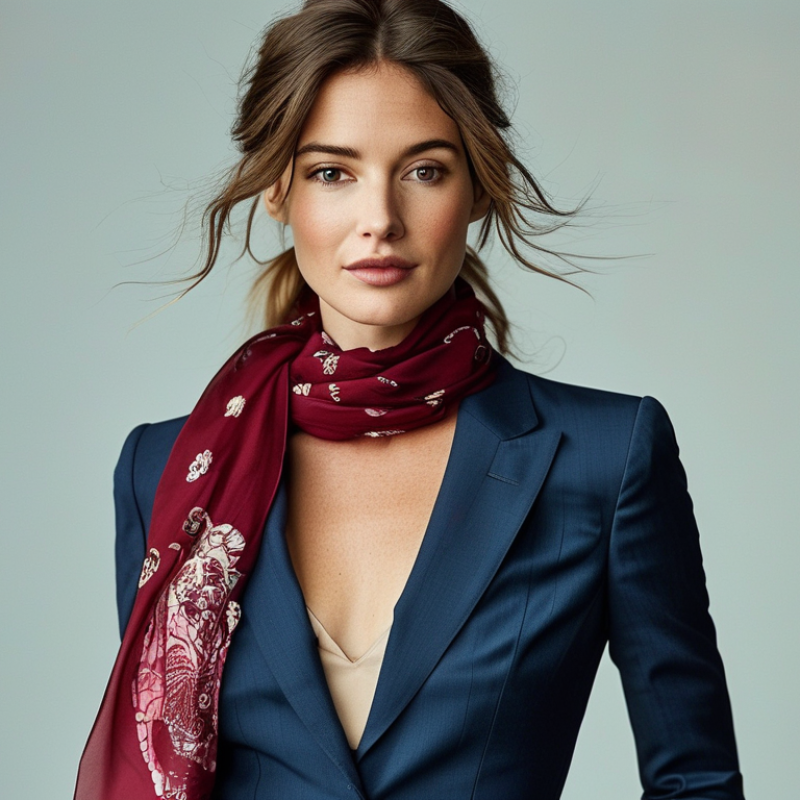
Think about the details people notice in real working environments. A navy blazer should sit smoothly across the shoulders. Trousers should allow comfortable movement without pulling at the waist. Closed-toe shoes should look polished and survive a full day of walking. Neutral colors can build trust, while one controlled accent, such as a burgundy scarf, adds personality. Small choices matter.
Comfort matters too.
A professional outfit that restricts breathing or requires constant adjustment will weaken your confidence. Still, no clothing guide can predict every office culture. A creative studio may welcome expressive prints, while a financial firm may expect quieter tailoring. Research the environment, observe respected colleagues, and adjust thoughtfully. I have found that the “perfect” outfit often needs revision after a real meeting, commute, or presentation. That is not failure. It is useful evidence. This guide explores how to dress professionally as a woman with practical standards, honest flexibility, and respect for individual identity.
Professional dress starts with reading the workplace, not copying a fixed formula. A financial office may expect a blazer, tailored trousers, and closed-toe shoes. A creative studio may allow a knit jacket, clean sneakers, and wider color choices. When guidance is unclear, inspect the staff page, ask a manager, or choose the more formal option. This shows judgment without looking distant.
A reliable outfit should fit the task, movement, and local expectations. Test the sleeves before a presentation. Sit down. Reach for a folder. A skirt that rides up or shoes that pinch can distract you and others. Choose breathable fabric, a secure neckline, and layers for cold meeting rooms. Keep jewelry quiet when you need to listen, type, or handle equipment. Professionalism is not a demand for sameness; it is clarity, care, and respect.
Color can support credibility, but comfort matters too. Neutral tones are easy to coordinate, while one muted accent can show personality. Check that clothing is clean, pressed, and free from loose threads. I once underestimated how quickly a polished outfit lost authority after a long commute. That mistake changed my routine: I now carry a lint roller, spare tights, and flat shoes. Still, dress codes can be imperfect and sometimes judge appearance more than performance. Questioning unnecessary rules respectfully may be wiser than silently accepting them.
Top Tips on How to Dress Professionally as a Woman
Choosing well-fitting clothes is the foundation of a polished professional appearance. A tailored jacket should rest smoothly across your shoulders without pulling at the buttons. Trousers should skim your hips and allow comfortable movement when you sit. If fabric strains, size up and adjust the garment later. Comfort matters because discomfort often changes your posture and focus.
Tip: Check the fit while standing and sitting. Walk a few steps, raise your arms, and reach for a notebook. Sleeves should not climb sharply, and waistbands should not dig into your skin. A full-length mirror helps, but a trusted colleague can notice uneven hems or tight areas. I once chose a smaller size because it looked sharper on the hanger. It was not my best decision.
Use simple layers to create structure without looking stiff. A smooth blouse, straight-leg trousers, and a modest jacket can suit many office settings. Neutral colors often appear dependable, while one muted accent adds personality. Keep patterns balanced. If the blouse is bold, choose calmer trousers and accessories. Clothing should support your work, not compete with it.
Tip: Inspect garments under bright light before wearing them. Loose threads, transparent fabric, and wrinkled collars can reduce a carefully prepared appearance. Professional dressing is not about expensive clothing. It is about clean lines, suitable proportions, and thoughtful preparation. Even experts revise their choices after seeing how clothes move through a real workday.
Professional clothing should support your work, not compete with it. Begin with calm colors such as navy, charcoal, cream, soft blue, or muted green. These shades usually appear polished under office lighting and video cameras. Add one stronger color through a blouse, scarf, or pair of shoes. Keep the contrast controlled. Very bright combinations can distract during meetings, especially in small rooms.
Fabric affects comfort, structure, and credibility. Choose breathable materials for warm commutes and wrinkle-resistant fabrics for long working days. A jacket should hold its shape without restricting your shoulders. Test the fabric by sitting, reaching, and walking before buying it. Small checks, narrow stripes, and subtle geometric patterns often look professional. Large prints may overwhelm your frame or appear busy on camera. I once wore a delicate pattern that looked elegant in a shop, but it blurred during a presentation. I should have tested it on video first.
Fit matters more than fashion. Seams should rest correctly, sleeves should allow movement, and hemlines should suit your workplace. Neutral colors are not mandatory, and personal style still has value. However, workplace expectations differ across industries and cultures. A creative studio may welcome expressive patterns, while a formal office may prefer restraint. I sometimes choose an outfit that is technically appropriate but feels too plain. That is worth noticing. Comfort and confidence also influence how professionally you communicate.
Professional dressing is often less about expensive clothing than about controlled details. The National Association of Colleges and Employers’ Job Outlook 2024 survey lists professionalism among the career-readiness qualities employers evaluate. Your shoes, accessories, and grooming quietly demonstrate that quality.
Choose clean shoes with a stable heel and a closed toe for formal settings. Their color should support your outfit, not compete with it. Inspect the soles before leaving home. Scuffed shoes can weaken an otherwise polished appearance. Keep accessories simple: small earrings, a practical watch, and one structured bag are usually enough. The Society for Human Resource Management reports that workplace appearance policies commonly emphasize neatness, safety, and appropriateness rather than strict fashion rules. That leaves room for personal style.
Grooming should look intentional, not excessive. Keep hair controlled, nails clean, and fragrance light. A 2023 report from the American Academy of Dermatology Association notes that fragrance can trigger discomfort for sensitive individuals, so subtlety matters in shared offices. Check your collar and shoes.
I still make mistakes.
Once, I matched elegant shoes with a noisy bracelet. The outfit looked busy during movement. Now I test accessories while walking, sitting, and reaching for a notebook. This small rehearsal reveals loose straps, jangling metal, and uneven hems before they distract from your work. Keep a compact grooming kit nearby, but avoid constant mirror-checking. Confidence should come from readiness, not perfection.
A balanced 25-minute preparation routine helps coordinate clothing, shoes, accessories, and grooming without making any single element overpower the overall look.
How to use this guide: Start with a polished core outfit, choose comfortable and appropriate shoes, add a small number of coordinated accessories, and reserve enough time for neat grooming.
Professional dressing begins with reading the workplace, not copying a fixed formula. A formal office may expect tailored trousers, a structured jacket, and polished closed-toe shoes. A creative studio may welcome softer shapes, brighter colors, or a distinctive scarf. Observe what respected colleagues wear during meetings, presentations, and ordinary workdays. Their choices reveal the unwritten expectations.
In a client-facing role, choose clothes that stay neat after several hours. A breathable blouse, wrinkle-resistant trousers, and a modest jacket can remain comfortable during travel. For a hands-on workplace, avoid loose sleeves, dangling accessories, and unstable footwear. Practicality matters. In a remote setting, focus on the visible details, especially the collar, shoulders, and background colors. However, professional appearance still includes clean, comfortable clothing below the camera line. Unexpected movement happens.
I once wore a sharply tailored outfit to a relaxed team meeting and felt overdressed. The clothing looked capable, but I appeared less approachable. That experience changed how I prepare. Now I check the day’s schedule, audience, weather, and walking distance before choosing an outfit. Small details also influence confidence: secure hems, quiet shoes, and a bag that holds essential documents without bulging. Fit deserves honest attention. A jacket can look elegant on a hanger yet restrict your arms at a desk. Professional style should support your work, not compete with it.
| Workplace Type | Typical Formality | Recommended Outfit Formula | Suitable Colors and Fabrics | Shoes and Accessories | Key Professional Tip |
|---|---|---|---|---|---|
| Traditional Corporate Office | High | Structured blazer, tailored trousers or knee-length skirt, and a polished blouse. | Navy, charcoal, black, white, and soft blue; wool blends, cotton, and smooth woven fabrics. | Closed-toe pumps or loafers; simple watch, small earrings, and a structured bag. | Prioritize precise tailoring, clean lines, and minimal decoration. |
| Client-Facing Professional Role | High to Medium | Single-color suit or coordinated separates with a modest blouse or knit top. | Neutral base colors with one muted accent; wrinkle-resistant wool, crepe, or cotton blends. | Comfortable closed-toe shoes with a stable heel or flat sole; understated jewelry. | Choose clothing that remains polished while allowing comfortable movement throughout the day. |
| Business-Casual Office | Medium | Tailored trousers or a modest skirt with a blouse, fine-gauge sweater, or unstructured blazer. | Navy, beige, gray, olive, and burgundy; cotton, knitwear, linen blends, and lightweight twill. | Loafers, ballet flats, low block heels, or clean minimal sneakers where permitted. | Keep at least one structured element, such as a blazer, tailored trouser, or polished shoe. |
| Creative or Design Workplace | Medium to Flexible | Clean basic layers with one distinctive color, print, silhouette, or accessory. | Neutral foundations plus coordinated accent colors; denim, cotton, linen, leather, or textured knits. | Loafers, ankle boots, refined flats, or simple sneakers; one intentional statement accessory. | Express personal style without sacrificing fit, cleanliness, or workplace appropriateness. |
| Technology or Casual Office | Medium to Low | Dark tailored jeans or chinos with a blouse, knit top, cardigan, or casual blazer. | Dark denim, charcoal, navy, earth tones, and solid colors; denim, jersey, cotton, and knit fabrics. | Clean leather or textile sneakers, flats, or ankle boots; practical crossbody or tote bag. | Avoid clothing that looks worn, heavily distressed, excessively loose, or too revealing. |
| Healthcare, Laboratory, or Practical Setting | Role-Dependent | Required uniform or protective layer over comfortable, close-fitting base garments. | Opaque, breathable, washable, and durable fabrics; colors should follow workplace safety rules. | Closed, slip-resistant shoes; minimal jewelry and secured hair where required. | Follow safety, hygiene, identification, and uniform requirements before personal style preferences. |
| Retail, Hospitality, or Service Role | Medium to Role-Dependent | Coordinated blouse or shirt with tailored trousers, a skirt, or approved uniform pieces. | Easy-care, breathable, wrinkle-resistant fabrics in approved or understated colors. | Supportive closed-toe shoes with secure soles; compact, functional accessories. | Select comfortable, durable clothing that stays neat during standing and frequent movement. |
| Formal Interview or Presentation | High | Well-fitted suit or blazer with tailored trousers, a modest skirt, or a simple professional dress. | Solid neutrals with one restrained accent; fabrics should be opaque, pressed, and non-distracting. | Polished closed-toe shoes, simple jewelry, and a neat portfolio or structured bag. | Prepare the outfit in advance and check comfort, movement, grooming, and wrinkle resistance. |
: Observe respected colleagues, check workplace guidance, or ask a manager. When uncertain, choose the more formal option.
Navy, charcoal, cream, soft blue, and muted green are easy choices. Add one controlled accent color through shoes, a blouse, or a scarf.
Choose breathable, wrinkle-resistant fabrics and flexible layers. Sit, walk, reach, and test your sleeves before wearing the outfit.
Seams should sit correctly, sleeves should allow movement, and hemlines should suit the workplace. Fit matters more than fashion.
Small checks, narrow stripes, and subtle geometric designs usually work well. Test patterns on video because delicate designs may blur.
Formal offices may suit structured jackets and tailored trousers. Creative workplaces may allow brighter colors, softer shapes, or distinctive accessories.
Choose secure clothing with practical shoes. Avoid loose sleeves, dangling accessories, and unstable footwear.
Focus on the collar, shoulders, lighting, and background colors. Wear clean, comfortable clothing below the camera too. Movement happens.
Carry a lint roller, spare tights, and flat shoes. A neat outfit can lose polish quickly after a long commute.
Not always. Some rules judge appearance more than performance. Respectfully questioning unnecessary expectations may be reasonable.
Learning how to dress professionally as a woman begins with understanding the expectations of your workplace and choosing clothing that reflects confidence, respect, and competence. Consider whether your environment is formal, business casual, creative, or highly practical, then select well-fitting garments that allow comfortable movement without appearing too loose or restrictive. Clean lines, balanced proportions, and neat tailoring can create a polished appearance. Neutral colors such as navy, gray, black, beige, and white are versatile, while subtle patterns and quality fabrics can add personality without distracting from your professional image.
Complete your outfit with clean, comfortable shoes and simple accessories that support rather than overpower your look. Grooming should be tidy and appropriate for the setting, including well-kept hair and understated makeup if worn. Professional clothing should also adapt to different workplaces, meetings, seasons, and responsibilities. By combining comfort, practicality, personal style, and workplace awareness, you can build a dependable wardrobe that helps you feel prepared and confident in any professional situation.

Beavo Fashion