In the modern world, organizing a women's wardrobe efficiently is more crucial than ever. According to a report by the National Association of Professional Organizers, 80% of women feel overwhelmed by clutter in their closets. This statistic highlights a common struggle. Expert Marie Kondo emphasizes the importance of this task: “Your closet is a reflection of your life. An organized wardrobe can lead to a more streamlined daily routine.”
Understanding how to organize a women's wardrobe efficiently is also linked to emotional well-being. A clear space often results in a clear mind. Many women find joy in wearing clothes that make them feel confident, yet they often have difficulty accessing those items among the chaos. Research has shown that when a wardrobe is organized, it can save up to 30 minutes each day in outfit selection.
While some women feel that organizing is a daunting task, small changes can lead to significant improvements. It’s important to reflect on what truly brings joy and purpose. Simplifying a wardrobe isn't just practical; it’s a step toward a more fulfilling lifestyle. Each closet organization journey is unique, and it may require several attempts to get it right.
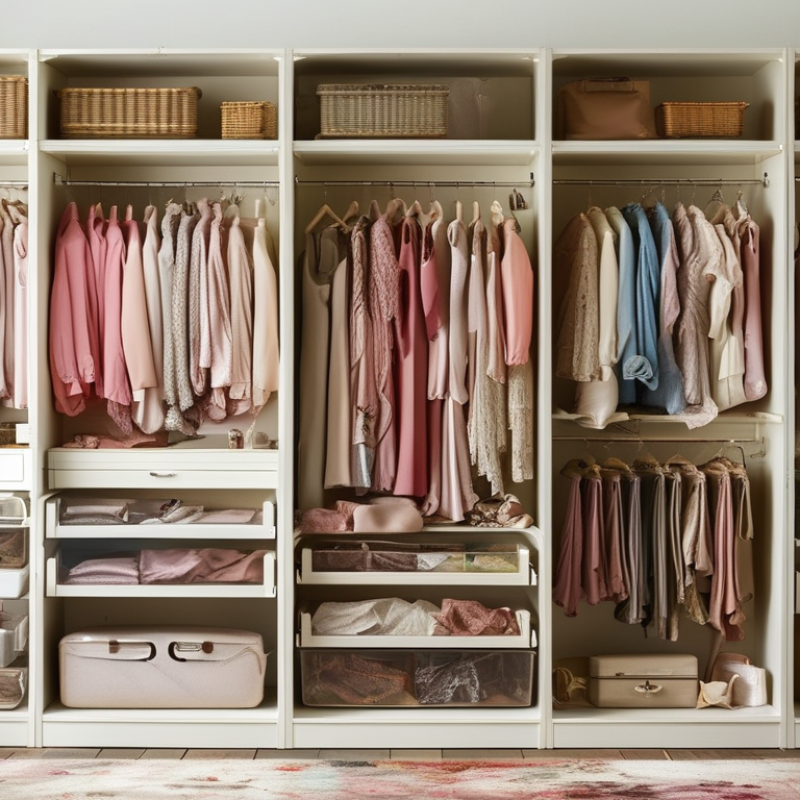
Assessing your wardrobe is a crucial first step in achieving an efficient organization. Start by evaluating each item objectively. Ask yourself when you last wore it. If it’s been over a year, consider letting it go. According to a study by the Council for Textile Recycling, Americans send around 68 pounds of clothing per person annually to landfills. This statistic highlights the importance of making conscious decisions about what to keep.
When determining what to keep, categorize items based on frequency of use and personal connection. An estimated 80% of the time, we wear only 20% of our wardrobe. This can lead to frustration and clutter. Focus on versatile pieces that you genuinely love and wear often. If it doesn’t spark joy or serve a purpose, it may be time to donate or discard. Many women find it empowering to clear out items that no longer represent their style or lifestyle.
Reflecting on your clothing choices can be a transformative experience. Take a moment to think about each item’s significance. Embracing this process not only streamlines your wardrobe but also promotes mindfulness in future purchases. This can lead to a more sustainable approach to fashion and personal style.
Organizing a women’s wardrobe can be overwhelming. One effective strategy is categorizing clothing into clear sections. Start by grouping items by type. For instance, hang all dresses together. This allows for quick visual access.
Next, arrange tops and blouses in one area. Choose a color-coded system if it suits your style. This can make selecting outfits faster and more enjoyable.
Consider seasonal adjustments as well. Keep summer clothes easily accessible during warmer months. Store heavier items in boxes when they aren't in use. This prevents clutter during transitions and maximizes space. Remember to reflect on what clothes you wear most. If certain pieces haven’t seen daylight in a while, consider their fate.
Don't forget to include accessories like belts and scarves in a designated section. Use small bins or drawer dividers for easy reach. Each organized section should ideally have a purpose. This approach fosters a mindful shopping habit and enhances daily outfit planning. It might not work perfectly at first. Adjustments often lead to the best results over time.
Creating an efficient women's wardrobe requires careful consideration of storage solutions. Research suggests that 80% of the time, only 20% of a wardrobe is actually worn. This indicates a significant problem: too many items cluttering space, leading to disorganization. Implementing space-efficient storage can enhance functionality and ease of access.
Using vertical space is a game changer. Double hanging rods can create more room for tops and skirts. Adding shelves above hanging clothes can store bags and shoes neatly. Transparent bins for accessories not only optimize space but also allow quick visibility. It's important to use uniform, labeled containers to reduce confusion. This method can increase the usability of your wardrobe by up to 25%.
However, over-organizing can lead to rigidity. Not everything needs to be neatly labeled; some spontaneity in choosing outfits can spark creativity. This balance between organization and flexibility is key. Assessing and adjusting storage needs seasonally can also prevent frustration. By avoiding overcrowding and ensuring that only items which bring joy remain, the wardrobe can become a personal haven.
Seasonal rotation is critical for an effective wardrobe. It ensures that clothing stays relevant and fresh throughout the year. Research shows that 70% of women wear only 20% of their wardrobe regularly. Many forget about items tucked away from past seasons. This often leads to frustration and wasted time when choosing outfits.
To manage seasonal rotation, start by evaluating your current wardrobe. Identify pieces that no longer fit your lifestyle or personal style. Create separate sections for each season. Store off-season clothes in labeled bins to keep them organized and accessible. About 45% of women report feeling more confident when their wardrobe is organized. Simplifying your selection can make your mornings smoother.
Regularly declutter your closet as seasons change. Consider donating or recycling items that you haven’t worn in over a year. Only 28% of women actively refresh their wardrobes seasonally, which might contribute to feeling overwhelmed by choices. Adjustments like this will help you appreciate your closet while maintaining a stylish, functional wardrobe year-round.
Maintaining an organized wardrobe is an ongoing challenge for many women. Research shows that an average woman spends $1,800 annually on clothing she never wears. This highlights the necessity of continuous wardrobe management. A cluttered closet can lead to anxiety and decision fatigue, significantly influencing daily choices.
Regularly assessing clothing items helps identify pieces that don't serve their purpose. A useful approach is the seasonal switch. Rotate out clothes based on the season, making it easier to manage space. According to experts, about 80% of what we wear comes from 20% of our wardrobe. This statistic stresses the importance of focusing on versatile pieces and ensuring they stay accessible.
Investing time in creating a maintenance routine can yield significant benefits. Set aside a specific time each month for organization. During this time, consider factors like fit, style, and frequency of wear. Documenting what goes in and out of the closet can provide insight into personal shopping habits. Over time, this method not only creates clarity but also cultivates a confident and reflective approach to wardrobe choices.
: Evaluate your wardrobe at least once a year. This helps identify what to keep or discard.
Donate clothes you haven't worn in over a year. If they don't spark joy, it's time to let them go.
Group clothes by type and color for easier access. This simplifies choosing outfits daily.
Reflect on each item's significance. Mindful choices can lead to a more meaningful wardrobe.
Use vertical space with double hanging rods. Shelves and transparent bins can enhance access.
Yes, too much organization may limit creativity. Allow some flexibility in outfit choices.
Store out-of-season clothes in bins. Keep accessible only what’s relevant for the current weather.
Yes, categorize accessories in bins. This prevents clutter and makes them easy to reach.
Approximately 20% of your wardrobe accounts for 80% of what you wear regularly.
Reflect on purchases and their purpose. Choose items that truly fit your style.
Organizing a women's wardrobe efficiently can significantly enhance daily routines and reduce stress when choosing outfits. Start by assessing your current wardrobe to determine which items to keep, donate, or discard. This process helps clear out unnecessary clutter and allows for a more functional space. Next, categorize your clothing into clear sections based on type or occasion, making it easier to find what you need when getting dressed.
Implementing effective storage solutions is crucial in utilizing space efficiently; consider using organizers, shelves, and hangers that suit your clothing types. To keep your wardrobe relevant year-round, practice seasonal rotation by swapping out clothes based on the time of year, ensuring that everything remains accessible and practical. Lastly, maintain organization with ongoing management tips, such as regular decluttering and re-evaluating your wardrobe's structure, to promote a harmonious dressing experience. By following these guidelines on how to organize a women's wardrobe efficiently, you can create a stylish and functional space that reflects your lifestyle.

Beavo Fashion