Choosing clothing by body shape is less about hiding features and more about improving comfort, proportion, and confidence. Yet fit advice often relies on narrow ideals. McKinsey & Company and The Business of Fashion published the 2024 State of Fashion report. It identifies personalization as a central customer expectation. This shift matters. A garment should respond to a real body, not force every body into one template.
This guide explains how to choose women's clothing for different body types through practical styling and fit principles. It considers shoulder width, bust, waist, hip balance, rise, and garment ease. These details affect how a blazer sits, where a skirt falls, and whether trousers pull across the hips. The U.S. National Health and Nutrition Examination Survey documents broad variation in adult body measurements. Therefore, labels cannot guarantee fit. A medium is not universal. It never was.
Reliable choices begin with measurements, fabric behavior, and honest movement tests. Check shoulder seams, waistband pressure, arm mobility, and fabric recovery after sitting. ASTM International standards also show why apparel sizing needs defined measurements, not guesswork. Still, body-shape categories are only guides. They can simplify decisions, but they may misclassify people. I have found that identical labels can fit differently. Cut, fiber content, and manufacturing tolerance all matter. This article keeps that limitation visible while offering adaptable ideas for workwear, casual outfits, dresses, denim, and occasion dressing. The goal is not correction. It is informed choice, comfort, and dependable fit.
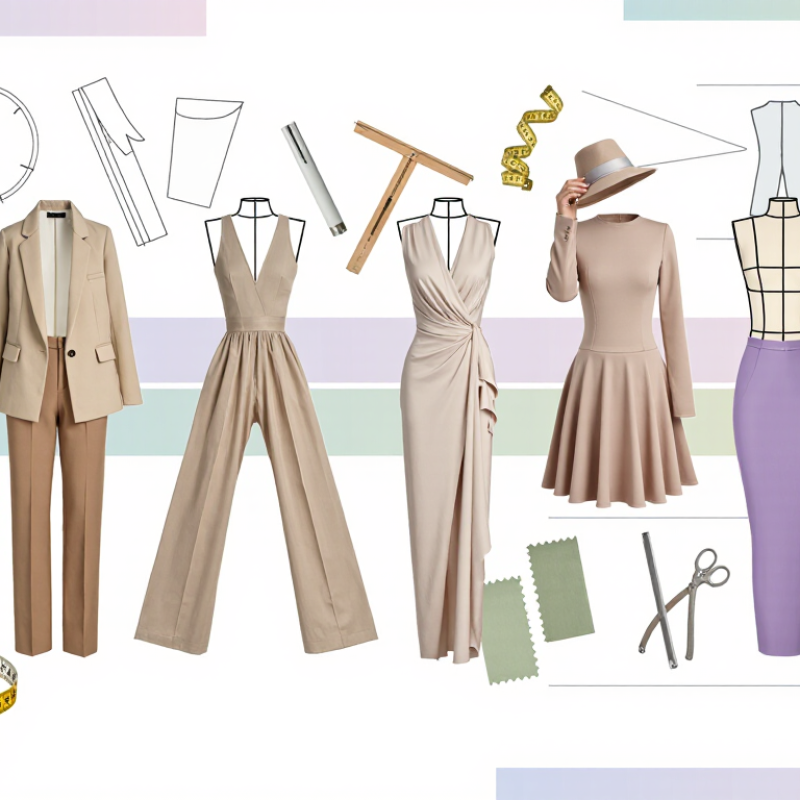
Define Body Proportions with SizeUSA 3D-Scan Data
How to Choose Women’s Clothing for Every Body Type?
Define Body Proportions with SizeUSA 3D-Scan Data
Choosing clothing by label size often fails. SizeUSA 3D-scan data offers a more precise starting point. The national study measured more than 10,000 adults across the United States. Its technical report showed why bust, waist, and hip measurements cannot define one standard body shape. Two women may share a 38-inch hip measurement. Yet they may need different rises, darts, or shoulder widths. Body shape is a relationship, not a category.
Use current measurements beside the older SizeUSA data. The CDC’s National Health and Nutrition Examination Survey reported an average adult female waist circumference of approximately 101.8 centimeters in 2017–2020. This comparison matters because bodies change, and the SizeUSA study is now dated. Its sample remains valuable, but it is not flawless. Clothing patterns should reflect both historical scans and newer population evidence.
Tips: Measure your bust, natural waist, high hip, full hip, shoulder, and inseam. Measure over light clothing. Compare these numbers with finished garment measurements, not only size labels. Check where seams sit on your body. A shoulder seam falling two centimeters outward can change the entire fit. Keep a personal measurement chart. Recheck it each season.
Apply ISO 8559-1 Measurements to Identify Personal Fit Needs
How to Choose Women’s Clothing for Every Body Type?
Apply ISO 8559-1 Measurements to Identify Personal Fit Needs
Choosing clothing becomes easier when body measurements replace vague labels such as petite, curvy, or straight. ISO 8559-1 provides consistent definitions for apparel measurements, including bust, waist, hip, and stature. These measurements describe your body clearly, but they do not decide your value or style. They guide practical choices.
Measure over light clothing while standing naturally. Keep the tape level, especially around the bust and hips. Record each result in centimeters, and measure twice if the numbers seem unusual. I once measured my waist after a large meal, which created a misleading result. That small mistake changed my clothing choices for several days. Fit also depends on posture, fabric stretch, ease, and garment construction. A measurement chart is helpful, not absolute.
Tips: Use your largest relevant measurement when choosing structured clothing. For example, select a jacket by bust and shoulder comfort, then consider tailoring at the waist. Compare your measurements with the garment’s finished dimensions when available. Leave room to sit, bend, and breathe. Check sleeve and trouser lengths against your stature. If your bust, waist, and hip measurements fall into different size ranges, that is normal. Choose the fit priority for the garment, rather than forcing your body into one category. Professional measurement guidance can improve consistency, though even careful measuring has limits. Bodies change, and clothing should accommodate that reality.
How to Choose Womens Clothing for Every Body Type? - Apply ISO 8559-1 Measurements to Identify Personal Fit Needs
Use the measurement points below to compare personal body measurements with a garment’s size chart. ISO 8559-1 provides standardized definitions for body measurements; it does not prescribe body-type categories or determine a person’s ideal size. The body-type examples and sample measurements are illustrative adult profiles in centimeters.
ISO 8559-1-Aligned Measurement Guide and Clothing Fit Considerations
| Body Profile |
Stature
(cm) |
Bust Girth
(cm) |
Waist Girth
(cm) |
Hip Girth
(cm) |
Bust-to-Hip Difference |
Typical Fit Need |
Useful Garment Features |
| Rectangle |
168 |
88 |
74 |
90 |
-2 cm |
Similar bust and hip measurements with a moderate waist difference. The main challenge is often choosing a size that fits both the upper and lower body without excess fabric at the waist.
|
Shaped seams, waist ties, princess seams, peplum details, and belts can improve waist definition. Choose stretch fabrics when the garment has limited ease.
|
| Triangle / Pear |
165 |
86 |
72 |
98 |
-12 cm |
The hip area is substantially larger than the bust area. A single-size garment may fit the lower body but feel loose across the bust or shoulders.
|
Look for separate sizing, adjustable waistbands, A-line skirts, bootcut trousers, and tops with structured shoulders. Avoid waistbands that cannot accommodate the hip-to-waist difference.
|
| Inverted Triangle |
170 |
98 |
78 |
92 |
+6 cm |
The bust or upper torso is wider than the hip area. Jackets and fitted tops may require more room through the chest and upper back than through the lower body.
|
Consider raglan sleeves, soft shoulder lines, V-necks, darker or simpler upper-body styling, and fuller lower-body silhouettes. Check cross-chest and upper-back comfort when moving.
|
| Hourglass |
167 |
94 |
70 |
96 |
-2 cm |
Bust and hip measurements are close, while the waist is substantially smaller. Straight-cut garments may fit the bust and hips but gape at the waist.
|
Choose contoured waistbands, wrap styles, princess seams, stretch fabrics, and tailoring options. Check both bust ease and waist shaping rather than relying on one measurement.
|
| Oval / Apple |
164 |
100 |
90 |
102 |
-2 cm |
The waist and mid-torso require particular attention. Comfort may depend more on the garment’s waist and abdomen ease than on the bust or hip measurement alone.
|
Try gently shaped or relaxed silhouettes, open-front layers, vertical seam lines, flexible waistbands, and fabrics with controlled stretch. Avoid tight waistbands that restrict sitting or bending.
|
Measurement notes:
Measure over light clothing while standing naturally. Stature is measured vertically from the top of the head to the floor. Bust girth is measured horizontally around the fullest part of the bust. Waist girth is measured horizontally around the natural waist area. Hip girth is measured horizontally around the fullest part of the hips and buttocks. Keep the tape level, close to the body, and neither tight nor loose. Compare each measurement with the specific garment’s chart because clothing ease, cut, fabric stretch, and intended fit vary.
Choose Silhouettes Using Bust, Waist, and Hip-Ratio Patterns
Choosing women’s clothing works better when you study proportions, not fixed body-type labels.
Measure your bust, natural waist, and fullest hip with a soft tape. Keep the tape level and comfortably snug. Stand naturally. Record each measurement twice. Compare the ratios rather than chasing a perfect number. This approach feels more reliable, although measurements can change with posture, clothing, and time.
If your bust and hips are similar, a defined waist can create balanced silhouettes.
Try wrap tops, belted dresses, or softly shaped jackets. If your bust is fuller than your hips, open necklines and darker, simple upper layers may create visual ease. Add interest below the waist with pleated trousers or textured skirts. When the hips measure wider, structured shoulders, boat necks, and brighter tops can balance the outline. Avoid stiff formulas.
When the waist is less defined, straight or gently curved silhouettes often skim without clinging.
High-rise trousers can support the midsection, but rise length must match your torso. I have misjudged this. A high rise can feel restrictive on a short torso. Check the garment while sitting, walking, and reaching. Fabric stretch matters as much as the cut. An experienced tailor or trained fitter can assess shoulder placement, waist position, and hem balance more accurately than a size chart. Fit is personal.
Test Comfort Against ASTM D5219 Fit and Sizing Principles
How to Choose Womens Clothing for Every Body Type?
Comfort should be tested against real body measurements, not appearance alone.
ASTM D5219 provides terminology for body dimensions used in apparel sizing. It helps shoppers and professionals discuss bust, waist, hip, inseam, and height more consistently. These measurements do not define beauty or guarantee a perfect fit. They offer a clearer starting point.
Measure over light clothing, while standing naturally. Keep the tape level across the fullest areas. Compare each measurement with the garment’s size chart, then inspect the cut. A pear-shaped body may need extra room at the hips. A fuller bust may require adjustable closures or a softer front panel. Tall proportions may need longer rises and sleeves. Comfort matters most when sitting, bending, and walking.
Try the garment through ordinary movements.
Raise both arms. Sit for one minute. Check whether seams pull, waistbands roll, or fabric clings at the hips.
I once trusted a size chart and ignored shoulder tension. The garment looked polished but felt restrictive within minutes. That mistake still shapes my fitting routine.
ASTM D5219 supports accurate language, but it does not replace personal testing.
Bodies vary, and sizing systems remain imperfect. A small gap between measurements should invite adjustment, not frustration. Choose the fit that lets you breathe, move, and stay comfortable throughout the day.
Conclusion
Choosing the right clothing begins with understanding your individual proportions rather than relying only on general size labels. To learn how to choose women's clothing for different body types, start by reviewing your bust, waist, hip, torso, and shoulder measurements. SizeUSA 3D-scan data can help explain common body-proportion patterns, while ISO 8559-1 measurements provide a consistent way to identify personal fit needs. Comparing these measurements with your own shape makes it easier to recognize where garments may require more room or a closer fit.
Next, use bust, waist, and hip ratios to select flattering silhouettes, such as structured, relaxed, fitted, or balanced designs. Fabric choice is equally important: stretch, weight, drape, and breathability all affect comfort and appearance. ASTM D5585 sizing principles can guide the relationship between measurements and ease, while ASTM D5219 fit principles encourage checking movement, pressure points, balance, and overall comfort. The best choice is clothing that complements your proportions while allowing natural movement and confidence.
 Beavo Fashion
