What Is the Right Clothing Size for Women?

Time:2026-10-31 Author:Isabella
0%

Choosing a women’s clothing size sounds simple—until the same person wears a medium in one shop and a large in another. Labels vary. The number on a tag is not a universal measurement, and fit can change with fabric, cut, and brand. That matters when a waistband pinches after lunch or a sleeve pulls across the shoulder.

Industry research helps explain the mismatch. TC²’s SizeUSA anthropometric survey used 3D body scans from more than 10,000 U.S. adults, documenting a wide range of body shapes. ASTM International’s D5585 standard also organizes women’s body measurements by size and figure type. These references can guide sizing, but they cannot predict how every garment will sit on every body. Measurements are useful, not magic.

Apparel-fit researcher Susan P. Ashdown’s work at Cornell offers an important perspective. A fair paraphrase is this: a size label is a starting point, not a body measurement. For anyone asking how to find the right clothing size for women, start with your bust, waist, and hip measurements, then compare them with the specific brand’s chart. Check garment reviews and fabric details, too. A rigid denim waistband behaves differently from a stretch-knit one. Fit is personal. And honestly, measuring yourself can feel awkward; repeating it carefully is still more reliable than guessing from a familiar label. The right size should support comfort and movement, not make you fight the clothing.
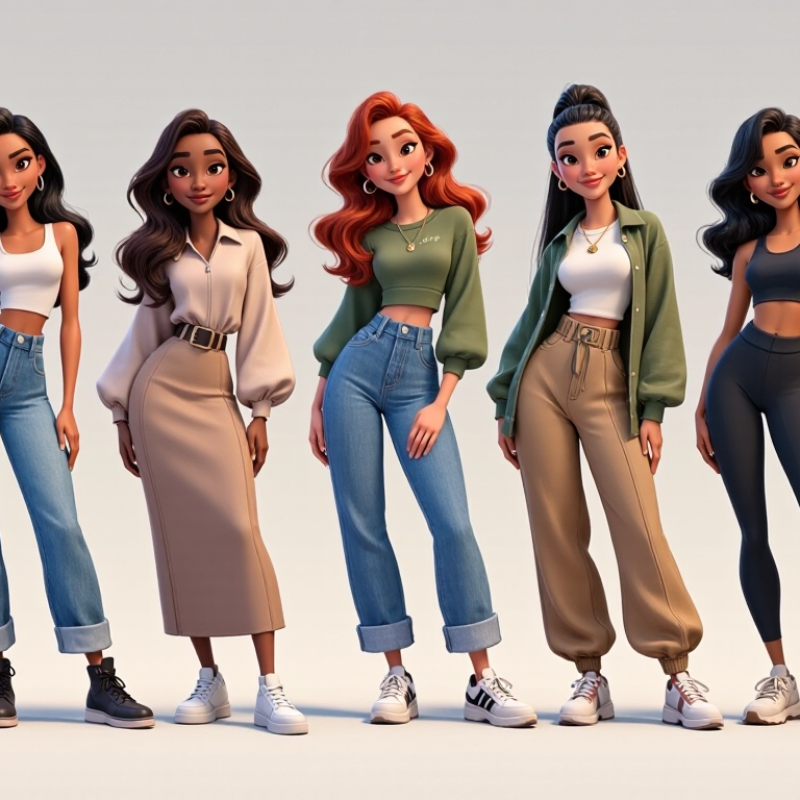
What Is the Right Clothing Size for Women?

What Women's Clothing Sizes Represent

Women’s clothing sizes are labels that translate a range of body measurements into a convenient shopping reference. They are not exact measurements of the garment, and they do not describe a person’s shape or health. A size may correspond to bust, waist, and hip ranges, but the ranges differ across countries and sizing systems. Not a body grade.

A size chart is more useful than the number printed on a tag. Measure around the fullest part of the bust and hips, and around the natural waist, keeping the tape level without pulling it tight. Compare each measurement with the chart for that specific garment. If your measurements fall across two size ranges, consider the fabric and cut: woven fabric often gives less, while stretchy knit may adapt more easily. Still, fabric descriptions cannot guarantee a particular fit.

A common fitting-room surprise is that the same person may need different sizes in different styles. A close-fitting shirt may feel tight across the shoulders, while a similar-sized relaxed shirt may have extra room through the body. There is an awkward limit to charts: they cannot capture every proportion, posture, or preference. Use the label as a starting point, then check garment measurements and how the clothes feel when you sit, reach, and move. Sometimes the chart is only partly helpful.

What Is the Right Clothing Size for Women? - What Women's Clothing Sizes Represent

Women’s clothing sizes are labels linked to approximate body measurements. Use this guide as a starting point when comparing measurements with a garment’s size chart.

US Size Bust
(in / cm)
Waist
(in / cm)
Hips
(in / cm)
Typical Label
032 / 8124 / 6134 / 86XS
233 / 8425 / 6435 / 89XS
434 / 8626 / 6636 / 91S
635 / 8927 / 6937 / 94S
836 / 9128 / 7138 / 97M
1037.5 / 9529.5 / 7539.5 / 100M
1239 / 9931 / 7941 / 104L
1441 / 10433 / 8443 / 109L
1643 / 10935 / 8945 / 114XL

How to use this chart: Measure around the fullest part of your bust and hips, and around your natural waist. Measurements are approximate body measurements, not garment measurements. Size labels and fit can vary by cut, fabric, and sizing system, so consult the specific garment’s chart and choose based on the measurement that matters most for its fit.

How to Measure the Body for Clothing

How to Measure the Body for Clothing

Take measurements over light, close-fitting clothing, or underwear, using a flexible tape. Stand naturally; keep the tape level and snug, but do not pull it tight. For the bust, measure around the fullest point. For the waist, find the natural crease when bending sideways. Measure the hips at their fullest point, keeping your feet together. Small differences matter. Write each number down, then repeat the measurements; a shifted tape can change the result. That is normal.

These steps follow the body-measurement approach described in ISO 8559-1:2017, which sets definitions for apparel-related anthropometry. The SizeUK national survey collected more than 11,000 body scans, illustrating how large-scale measurement can capture a wide range of body shapes. One set of numbers cannot describe every fit. Compare your measurements with the specific garment’s size chart, and check whether it lists body measurements or finished garment measurements. The latter includes room for movement and design. I would remeasure before ordering if a number sits near a chart boundary; tape placement is easy to misjudge. Height and sleeve length may also matter for some styles. Don’t force a perfect match.

How Size Charts Vary by Brand and Region

Women’s clothing sizes are not a universal measurement system. ISO 8559-1:2017 standardizes definitions for body measurements, but it does not make garment labels identical across regions. A size number can describe a different body range depending on the country, measurement method, and intended fit. Even within one market, two charts may use different bust, waist, and hip intervals. That sounds tidy; it isn’t.

The CDC’s Anthropometric Reference Data for Children and Adults: United States, 2015–2018 reported a mean waist circumference of 38.7 inches among U.S. women aged 20 and older. It’s a population average, not a sizing rule, but it shows why a single “standard” waist can exclude many bodies. When comparing charts, check the listed body measurements, not just the size label. Measure over light clothing, keep the tape level, and compare bust, waist, and hips separately. A size conversion chart can help when shopping across regions, yet it cannot account for fabric stretch, garment ease, or cut. A chart is a starting point, not a verdict. If measurements fall between sizes, the fit you want matters too: a close-fitting woven skirt and a relaxed knit top may call for different choices.

How Garment Style and Fit Affect Size Choice

Women’s clothing size is a starting point, not a reliable prediction of fit. Garment style changes how the same measurements feel: a tailored jacket needs room across the shoulders, while a stretch-knit top may sit closer to the body. ASTM International’s D5585 standard uses several body measurements, including bust, waist, and hip. One number rarely tells the whole story. A tape measure can help, but measuring yourself is not always easy.

Check the garment’s intended silhouette and fabric before choosing a size. A crisp, non-stretch cotton skirt may need more ease at the hips than a jersey skirt with the same label. For a loose linen shirt, shoulder placement and sleeve length may matter more than a close waist fit. Compare your measurements with the size chart, then look for garment measurements when available. No chart is perfect.

The National Retail Federation’s 2023 Consumer Returns in the Retail Industry report estimated a 17.6% return rate for online purchases across retail. That figure is not clothing-specific and does not show how many returns came from poor fit, but it highlights why online size choices can be difficult. If you fall between sizes, think about where the garment should skim or drape. I’d treat the chart as useful guidance, not a verdict.

How to Check Fit and Choose Between Sizes

A reliable fit check starts with your body, not the size printed on a tag. Measure your bust at its fullest point, your waist where it naturally bends, and your hips around their fullest area. Keep the tape level and snug, but do not pull it tight. Take each measurement twice. Small differences matter.

TC2’s SizeUSA anthropometric survey scanned more than 10,000 U.S. adults, documenting substantial variation in body measurements. That scale of variation helps explain why one size label cannot predict fit across every body shape or clothing cut. Compare your measurements with the garment’s own size chart, not a number you usually buy. Check shoulder seams, waist placement, and how the fabric sits when you move. Sit down and lift your arms. Any pinching?

When your measurements fall between sizes, consider the garment’s fabric and intended fit. Choose the larger size for woven, non-stretch fabric or a relaxed feel; stretch fabric may allow a closer fit. But it depends. A snug waist can sometimes be altered, while tight shoulders are harder to fix. Fit is personal, and size charts are imperfect tools. If possible, try both sizes and notice where the fabric pulls, gaps, or twists. A comfortable fit should let you breathe and move without constant adjustment.

FAQS

Why can the same clothing size fit differently across regions?

Size labels use different measurement ranges and methods across countries. Compare bust, waist, and hip measurements instead.

Are women’s clothing sizes standardized?

Body-measurement terms may be standardized, but garment labels are not identical. A number alone tells little.

How should I measure myself for a size chart?

Measure over light clothing, keeping the tape level. Record bust, waist, and hips separately.

What if my measurements fall between sizes?

Choose based on your preferred fit and the garment’s fabric. A snug woven skirt may need more room than a stretch-knit top. Not always obvious.

Does fabric affect which size I should choose?

Yes. Crisp cotton has little give, while jersey can stretch closer to the body.

Should I check garment measurements as well as body measurements?

Yes, when available. They can show shoulder width, sleeve length, or extra room more clearly.

Does garment style change how a size fits?

A tailored jacket may need shoulder ease, while a loose linen shirt may depend more on sleeve length. Fit can be messy.

Do online size charts guarantee a good fit?

No. Charts cannot fully account for cut, stretch, or personal preference. One broad retail estimate put online returns at 17.6%, but it was not clothing-specific.

Conclusion

Choosing the right clothing size for women starts with understanding what a size label can—and cannot—tell you. Sizes are general guides, not universal measurements, so the same label may fit differently across regions and clothing makers. For a more reliable starting point, measure your bust, waist, and hips with a flexible tape measure, keeping it comfortably snug, then compare those measurements with the relevant size chart. This is a practical way to learn how to find the right clothing size for women without relying on a number alone.

The garment’s style and intended fit also matter. Stretch fabrics, relaxed cuts, tailored shapes, and different rises can all change how a garment feels and sits on the body. When your measurements fall between sizes, consider the fabric, the cut, and whether you prefer a close or looser fit. If possible, try both options and check comfort and movement while standing and sitting. The best choice is the one that fits comfortably where it matters, rather than the one with a particular size label.

Isabella

Isabella

Isabella is a dedicated marketing professional with a sharp focus on driving brand growth and engagement through strategic content creation. With an extensive background in digital marketing, she combines her passion for storytelling with her keen understanding of industry trends to deliver......