What Fabrics Are Best for Women's Clothing in 2026?

Time:2026-06-22 Author:Charlotte
0%

As we step into 2026, understanding what fabrics are best for women's clothing has never been more crucial. The demand for sustainable and versatile materials is growing. According to a report by the Global Fashion Agenda, 70% of consumers now prioritize eco-friendly textiles when shopping for clothes. This shift underlines the need for brands to rethink their fabric choices.

Natural fibers such as organic cotton and linen are gaining traction, known for their breathability and durability. However, synthetic options like recycled polyester are equally important. They reduce waste while offering functionality. Experts predict a rise in smart textiles that adapt to temperature changes, enhancing comfort and style.

Fashion designers face challenges in balancing innovation and sustainability. As consumer preferences evolve, the industry must respond swiftly. Today’s fabrics should not only meet aesthetic needs but also reflect environmental consciousness. Thus, the ongoing question remains: what fabrics are best for women's clothing? The answer lies in merging tradition with modernity, creating pieces that are both timeless and innovative.
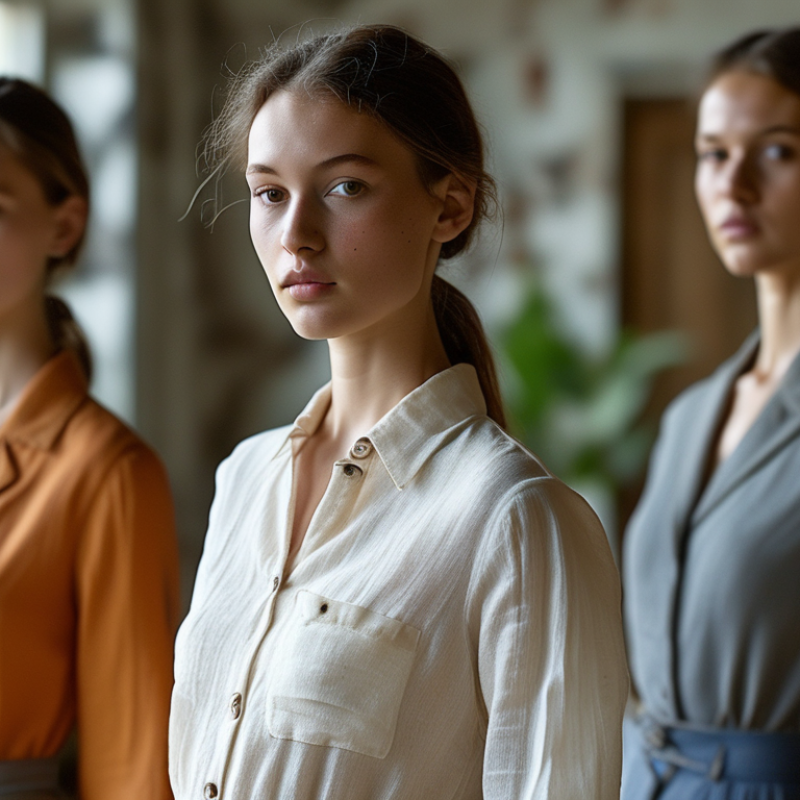
What Fabrics Are Best for Women's Clothing in 2026?

Emerging Trends in Fabric Technology for Women's Clothing in 2026

As we look towards 2026, emerging trends in fabric technology are set to redefine women’s clothing. Innovations such as bio-fabrication and smart textiles are gaining momentum. These fabrics are not just functional; they blend style with sustainability. For instance, fabrics made from algae or recycled materials reduce environmental impact while maintaining aesthetic appeal.

Choosing the right fabric can be overwhelming. Consider breathable materials for comfort in warm climates. Fabrics with moisture-wicking properties keep you dry and fresh all day. Additionally, look for textiles that offer UV protection. Environments vary, and fabric technology must adapt to them. Not all innovations are reliable yet; some might fade, while others may not stretch as expected.

When exploring trendy options, don't overlook natural fibers. Cotton, linen, and wool continue to offer timeless appeal. They are versatile and adaptable to various body types and styles. Always test how a fabric feels against your skin. The emotional connection to your clothing matters. Choose wisely, as the fabric sets the tone for your entire look. Look for mix-and-match possibilities to enhance your wardrobe.

Sustainable Fabrics: Eco-Friendly Options for Modern Women's Fashion

Sustainable fabrics are revolutionizing women’s fashion in 2026. The shift towards eco-friendly materials reflects a growing consumer awareness of environmental issues. According to a recent report by the Global Fashion Agenda, over 60% of consumers are willing to pay more for sustainable clothing. This trend is driving brands to adopt materials like organic cotton, Tencel, and recycled polyester.


Choosing the right fabrics can help reduce your carbon footprint. Organic cotton uses 90% less water than conventional cotton. Tencel, made from sustainably sourced wood, is biodegradable and requires less energy to produce. Recycled polyester is another great option, diverting plastic waste from landfills and saving resources.


Tips: Always check for certifications, such as Global Organic Textile Standard (GOTS) or OEKO-TEX. These labels ensure that the fabrics meet strict sustainability criteria. Additionally, consider the durability of your clothing. Investing in long-lasting pieces ultimately reduces waste. Reflect on your wardrobe choices. Are they truly sustainable, or just a passing trend? Make informed decisions to contribute positively to the environment.

Performance Fabrics: Comfort and Functionality in Everyday Wear

In 2026, performance fabrics are transforming women's everyday wear. These fabrics prioritize both comfort and functionality. According to a recent report by the Textile Innovation Association, 70% of consumers now choose clothing based on fabric performance. This shift highlights a growing desire for garments that adapt to daily activities while providing superior comfort.

Breathable materials are critical in this landscape. Fabrics like moisture-wicking polyester and stretchable nylon offer essential features for active lifestyles. A survey indicates that 68% of women prefer fabrics that keep them cool during warm weather. However, challenges remain. Not all performance fabrics are created equal, and some may lack durability over time. Consumers often find that comfort can come at the cost of longevity in wear.

Sustainability is another crucial factor in fabric choice. The Organic Textile Standard reports that 50% of women prefer eco-friendly options. Yet, sustainable performance fabrics can sometimes be pricier. This raises questions about accessibility in the market. Ultimately, finding the right balance among comfort, durability, and sustainability remains an ongoing challenge.

Best Fabrics for Women's Clothing in 2026

Luxury Textiles: Premium Choices for High-End Women's Apparel

In 2026, the world of high-end women's apparel will embrace luxurious textiles that enhance elegance and comfort. Fabrics like silk, cashmere, and organic linen are set to dominate. These materials provide a refined touch, elevating everyday outfits. Silk, known for its smooth texture, drapes perfectly on various body types. Cashmere offers warmth without bulk, making it ideal for layering.

Organic linen stands out for its breathability. It’s not only soft but also environmentally conscious. This fabric has a rich texture that provides a natural aesthetic. Women are increasingly seeking sustainable options. However, care is crucial. Linen wrinkles easily, and silk requires gentle washing. These factors may deter some fashion lovers.

Designers experiment with blends, creating nuanced fabrics that balance luxury and practicality. The concept of luxury is evolving. It's not just about opulence but also comfort. Some may question the longevity of these materials. Are they truly worth the investment? Each piece should reflect personal style and values. Women's clothing choices are deeply personal, often revealing much about their lifestyle and choices.

Innovative Blends: Combining Natural and Synthetic Materials for Versatility

In 2026, the fabric landscape for women's clothing is set to evolve significantly. Combining natural and synthetic materials offers unique benefits, enhancing versatility. According to a report from Textile Intelligence, innovative blends are increasingly favored for their durability and comfort. Fabrics that combine cotton with elastane, for example, provide stretch while maintaining breathability.

Many designers are exploring how these blends perform in real-world settings. For instance, moisture-wicking properties in polyester-cotton blends are ideal for activewear. Creating fabrics that are not just aesthetically pleasing, but also functional is crucial. However, challenges persist, such as potential allergies to synthetic fibers. Keep this in mind when choosing fabric.

When selecting fabrics, consider versatility. Look for options that transition seamlessly from day to night. Check labels for fiber content; a higher percentage of natural fibers often increases comfort. Always test a sample against your skin, ensuring it meets your comfort standards. Fabric choices impact style and function, so choose wisely.

What Fabrics Are Best for Women's Clothing in 2026? - Innovative Blends: Combining Natural and Synthetic Materials for Versatility

Fabric Type Composition Key Features Best Uses Sustainability Rating
Eco-Friendly Denim 100% Organic Cotton with Recycled Polyester Durable, stretchy, and comfortable Casual wear, jeans, skirts A+
Moisture-Wicking Blend Nylon and Bamboo Viscose Breathable, quick-drying, and lightweight Athletic wear, active lifestyle clothing B
Silk-Like Polyester 100% Polyester with Silk Finish Soft, glossy, and luxurious feel Evening wear, blouses, dresses C
Recycled PET Fabric Recycled Plastic Bottles (PET) Water-resistant, lightweight, eco-friendly Outerwear, bags, and accessories A
Modal Blend Modal and Spandex Soft, stretchy, and retains colors Loungewear, dresses, and shirts B+

FAQS

: What are the key innovations in fabric technology for women's clothing in 2026?

: Innovations like bio-fabrication and smart textiles are emerging. They blend style and sustainability effectively.

How can I choose the right fabric for warm climates?

Opt for breathable materials. Moisture-wicking fabrics keep you dry and enhance comfort in heat.

Are all innovative fabrics reliable?

Not all are dependable. Some may fade, while others might not stretch as you expect.

What timeless natural fibers should I consider?

Look for cotton, linen, and wool. They remain versatile and suit various body types and styles.

How can I ensure my fabric choices are sustainable?

Check for certifications like GOTS or OEKO-TEX. These ensure strict sustainability standards are met.

Does sustainable clothing cost more?

Yes, many consumers are open to paying more for sustainable options. This reflects growing environmental awareness.

What are the environmental benefits of organic cotton?

Organic cotton uses 90% less water than conventional cotton. This significantly helps in reducing resource usage.

Why is durability important in clothing?

Durable pieces last longer, reducing waste and the need for frequent replacements.

How does Tencel contribute to sustainability?

Tencel is biodegradable and sourced from sustainably managed forests, requiring less energy to produce.

Should I reflect on my wardrobe choices?

Yes, consider if your choices are truly sustainable or just trends. Make informed decisions for the environment.

Conclusion

In 2026, the question of "what fabrics are best for women's clothing" is increasingly focused on innovation and sustainability. Emerging trends in fabric technology highlight the importance of eco-friendly options that cater to the modern woman's desire for both style and environmental consciousness. Sustainable fabrics are becoming essential, offering choices that align with ethical fashion practices while still appealing to a diverse aesthetic.

Additionally, performance fabrics are gaining popularity, providing comfort and functionality in everyday wear. These materials enhance the wearer's experience through moisture-wicking properties and breathability. Luxury textiles remain a staple for high-end women's apparel, promising sophistication without compromising on quality. Furthermore, the fusion of natural and synthetic materials creates innovative blends that offer versatility, ensuring that women's clothing meets a variety of lifestyle needs while maintaining a chic appearance.

Charlotte

Charlotte

Charlotte is a seasoned marketing professional with a deep understanding of the company's portfolio and a passion for elevating its presence in the market. With a keen eye for detail and a commitment to excellence, she ensures that our professional blog is regularly updated with insightful articles......