In the dynamic world of women's fashion, color selection plays a crucial role. According to the Color Marketing Group, over 80% of consumers make purchasing decisions based on color. Knowing what colors work best in women's fashion is essential for designers and retailers alike.
Expert color consultant Laura D’Angelo emphasizes, "Color is not just a visual element; it creates an emotional connection that influences buying behavior." With her insights, it becomes clear that choosing the right hues can enhance brand identity and resonate with target audiences.
From rich jewel tones to soft pastels, the spectrum of colors can evoke various moods. However, trends shift rapidly. In the past, colors like millennial pink dominated, yet today, there is a more diversified palette. The challenge lies in balancing timeless shades with current trends, as consumers become more discerning. Ultimately, brands must reflect on what resonates and continuously adapt to stay relevant in the ever-evolving fashion landscape.
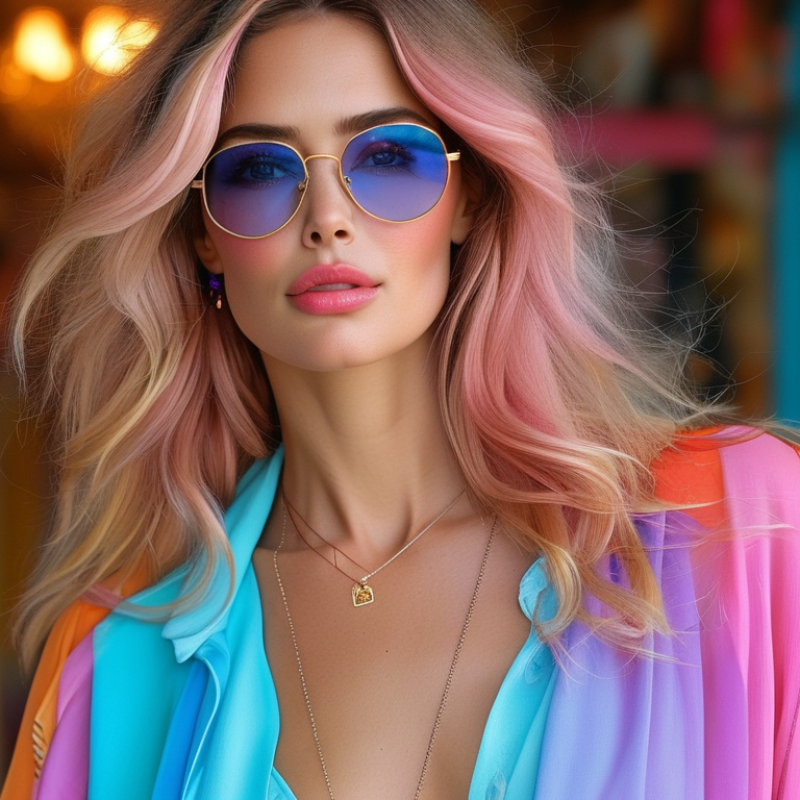
In 2023, women’s fashion trends are vibrant and bold, characterized by colors that evoke emotion and creativity. Soft pastels make a significant comeback this year. Shades like lavender and mint green effortlessly blend sophistication with a playful touch. They can be paired with neutrals or used as statement pieces to uplift any outfit.
Another major trend is deep and rich tones. Colors such as forest green and burgundy dominate the scene, adding elegance and warmth. These hues are perfect for layering and bring a timeless quality to contemporary fashion. However, experimenting with darker shades requires careful selection. Not every tone suits every skin tone, making personal reflection essential in choosing the right shade.
Bright colors also shine brightly in 2023. Vibrant yellows and electric blues inject energy into casual and formal wear alike. These colors attract attention and can help express individuality. However, incorporating such bright hues may feel overwhelming for some. It’s crucial to find a balance that brings comfort while also embracing boldness in one’s style choices.
Colors in women's fashion play a vital role in shaping perceptions and emotions. Each color influences mood and behavior in specific ways. For instance, red often symbolizes passion, while blue conveys tranquility. Choosing the right color can enhance your confidence and reflect your personality.
When selecting outfits, consider how colors make you feel. Bright colors like yellow can boost energy levels. Earthy tones such as olive or brown provide a sense of grounding. Think about the message your wardrobe sends. Vibrant hues may evoke creativity, while darker shades suggest sophistication.
Choosing the right colors can be tricky. It may take time to discover what resonates with you. A color that flatters your friend might not have the same effect on you. Experiment with different shades and trust your instincts. Don’t shy away from combinations that may seem unconventional. Sometimes, the best outfits arise from unexpected color pairings.
Seasonal color palettes significantly influence consumer behavior in women's fashion. Research shows that 85% of shoppers make purchase decisions based on color alone. A recent study by the Pantone Color Institute highlights that colors evoke emotional responses. For instance, vibrant colors like red and orange can induce excitement, while cool colors like blue create calmness.
Fashion trends often align with seasonal color forecasting. For example, in 2023, soft pastels dominated spring collections, appealing to a desire for renewal. Yet, some consumers may struggle to adapt to changing palettes. Personal preferences can clash with these trends, leading to hesitance in purchasing. A survey indicated that 40% of women feel overwhelmed by fashion changes. This disconnect can result in lost sales for brands. Balancing personal style with trending colors remains a challenge, emphasizing the need for thoughtful curation in fashion offerings.
This chart illustrates the popularity of different colors in women's fashion trends based on industry surveys. The data reflects seasonal preferences and how these influence purchase decisions among consumers.
Recent fashion retail reports reveal fascinating insights into color popularity among women's fashion. Data shows that certain colors consistently emerge as favorites. For instance, classic shades like black and navy remain staples in wardrobes. These colors convey sophistication and versatility, making them suitable for various occasions.
On the other hand, bolder colors are making waves as well. Vibrant hues like red and emerald green draw attention and evoke confidence. These colors often become popular during specific seasons, reflecting changing moods and trends. However, trends can be fleeting. What works one season may fade the next.
Interestingly, pastels have also seen a resurgence. Soft pinks and lavender add a refreshing touch. While they are appealing, they may not resonate with everyone. Some consumers hesitate to embrace lighter shades, fearing they may lack versatility. Despite varied opinions on color choices, staying updated on these trends is vital for anyone interested in fashion.
The fashion landscape is evolving, and 2024 brings exciting new color trends for women's wear. Emerging shades reflect a fusion of nature and urban living. Earthy tones, like gentle olive greens and warm terracotta, invoke a sense of grounding. These colors resonate with a desire for sustainability and authenticity in fashion choices. Many women find solace in these comforting palettes.
In contrast, vibrant accents are making bold statements. Splashes of electric blue and sunny yellow demand attention and express individuality. This duality in color trends allows women to explore their personal style. However, balancing these vivid hues with softer tones can be a challenge. Some may hesitate to experiment due to societal expectations or personal insecurities. Fashion should be about self-expression, yet it often feels constrained by perceived norms.
As we move forward, the desire for versatility will grow. Expect to see combinations that reflect a blend of comfort and bold ideals. Pastel hues, when married to striking jewel tones, create a dynamic visual impact. This interplay not only captivates but also encourages exploration. Each choice can reflect a unique journey—personal and collective—through the fabric of society. Fashion is about more than clothing; it's an evolving narrative.
: Seasonal color palettes influence 85% of shoppers' decisions. Colors evoke emotions, which affect buying behavior.
Vibrant colors like red and orange create excitement. Cool colors like blue promote calmness and relaxation.
Many consumers feel overwhelmed by fashion shifts. A survey found 40% of women struggle to adapt to changing palettes.
Classic shades like black and navy remain staples. They convey sophistication and work for various occasions.
Expect earthy tones and vibrant accents. Earthy colors evoke sustainability while bold colors express individuality.
Personal preferences may not align with current trends. This mismatch can lead to hesitance in purchasing and missed sales.
Yes, pastels like soft pinks and lavender are resurging. However, not everyone embraces them due to concerns over versatility.
Combining vivid colors with soft tones can be daunting. Societal expectations may prevent some from fully exploring their style.
Exploring trends and blending personal preferences is important. Fashion is a narrative, reflecting individual and collective experiences.
Fashion symbolizes self-expression and personal journeys. It evolves as society changes, creating diverse narratives.
In 2023, the realm of women's fashion has been significantly shaped by a vibrant palette of colors that reflect emerging trends and consumer preferences. The article explores the top 10 colors that dominate current fashion trends, emphasizing how these hues resonate with the psychological aspects of color selection. Understanding what colors work best in women's fashion involves recognizing the emotional responses elicited by different shades, which can influence purchasing decisions.
Moreover, seasonal color palettes play a crucial role in guiding consumers' choices, with retail reports providing valuable data on color popularity. As we look ahead to 2024, the article anticipates emerging color trends that are set to redefine women's fashion, further illustrating the dynamic relationship between color, trend development, and consumer behavior. This comprehensive overview not only highlights the current favorites but also offers insights into the future of color in women's fashion.

Beavo Fashion