A capsule wardrobe is not a fixed list of beige basics. It is a small, useful collection shaped around your actual week: the commute, the weather, the shoes you can walk in, and the clothes you reach for again. For women planning what to wear in 2026, the real question is how to create a capsule wardrobe for women that feels personal, works across seasons, and avoids unnecessary purchases. Start with observation, not a shopping cart. Track what you wear for two weeks. Note the blazer that works for meetings, the trousers that pinch by noon, and the shirt that never leaves its hanger. Small details matter.
There is a practical reason to think about clothing longevity. WRAP’s Valuing Our Clothes report found that extending a garment’s active life by nine months could reduce its carbon, water, and waste footprints by around 20–30%. ThredUp’s 2025 Resale Report, produced with GlobalData, says the U.S. secondhand apparel market grew 14% in 2024, five times faster than the wider retail clothing market. These figures do not prove that every capsule wardrobe is sustainable. They do suggest that keeping useful clothes in rotation—and considering resale—can matter. Be honest about the gaps. A polished wardrobe on paper may still fail in real life. One perfect-looking jacket can stay unworn. Build around fit, care, climate, and repeat wear, then adjust when the evidence from your own closet says something is wrong. That is not failure. It is the point.
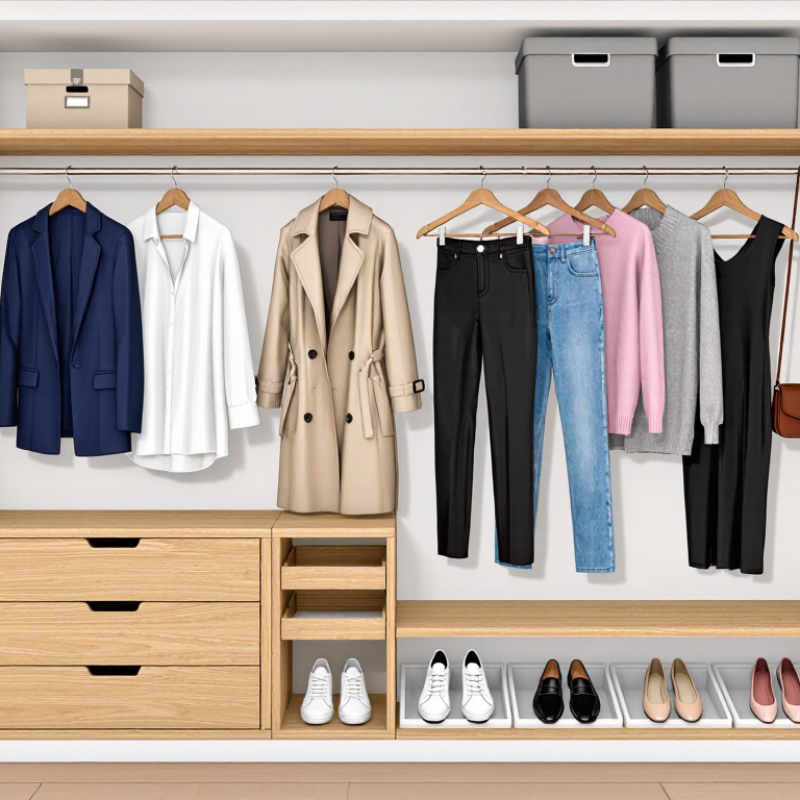
Understanding the Capsule Wardrobe Concept for Women in 2026
A capsule wardrobe is a small, coordinated collection of clothes chosen to work together across daily situations. It is not a strict number of pieces or a rule to wear only neutral colors. For women in 2026, the idea is to buy with real routines in mind: a commute, a chilly office, weekend errands, or a few formal events. A white shirt may earn its place if it works under a blazer and with jeans. A beautiful item that stays on its hanger probably does not. That can be hard to admit.
The approach also connects to clothing longevity. WRAP’s 2017 Valuing Our Clothes report estimated that extending a garment’s active life by nine months could reduce its carbon, water, and waste footprints by around 20–30%. A capsule wardrobe cannot guarantee those savings; how garments are made, cared for, and eventually reused also matters. Still, choosing versatile, durable pieces and repairing a loose button can help reduce unnecessary replacement. The numbers are estimates, not a personal wardrobe score.
Tips: Track what you wear for two weeks before shopping. Note repeated outfits, weather gaps, and pieces that feel uncomfortable by noon. Try combinations on at home, including shoes and outerwear. Choose fabrics you can care for realistically. Keep one imperfect favorite if it genuinely gets worn; a wardrobe need not look like a perfect grid.
Assessing Your Lifestyle, Climate, and Existing Clothes
Creating the best capsule wardrobe begins with evidence, not an idealized checklist. Track what you actually wear for seven typical days. Include work, errands, social plans, exercise, and quiet evenings at home. Notice repeated choices, uncomfortable pieces, and clothes that stay untouched.
Climate changes the formula. In humid weather, breathable fabrics and washable layers may matter more than extra sweaters. In colder regions, prioritize thermal basics, insulating mid-layers, and weather-resistant outerwear. Transitional climates require flexible pieces, such as a light jacket over a knit top. Your commute matters too. Ten minutes of walking demands different shoes from a car-based routine.
Audit your existing clothes before shopping. Place every item where you can see it. Keep pieces that fit your current body, schedule, and comfort needs. Set aside damaged clothing for realistic repairs, not imaginary weekends. Photograph useful combinations, such as dark trousers with three different tops. If an item works only with one outfit, question its value.
My first wardrobe audit exposed a mistake: I owned attractive clothes for a lifestyle I no longer had. That was uncomfortable, but useful. Capsule planning is not perfectly minimal. Some people need several work outfits, protective clothing, or formal options. Build a simple three-column list: worn often, potentially useful, and rarely chosen. Revisit it after two weeks, because your first assumptions may be wrong.
Choosing a Cohesive Color Palette and Essential Garments
A strong capsule wardrobe for 2026 begins with a color plan, not a shopping list. In wardrobe edits, I have found that three neutrals create the most reliable foundation. Try charcoal, cream, and soft navy, then add one muted accent, such as rust or sage. This combination keeps outfits flexible without making them dull. Use a simple 60-30-10 balance: one dominant neutral, one supporting neutral, and one accent color. Check each shade beside your face in daylight. Store lighting can mislead you.
Choose garments around your actual week. A crisp shirt, fine knit, straight-leg trousers, dark jeans, tailored jacket, washable skirt, and comfortable flats cover many settings. Add a weather-ready layer and one polished evening piece. Each item should pair with at least three others. I test this on the bed before buying anything. If a jacket works with only one outfit, it is not essential. Fabric matters too. Breathable fibers suit warm commutes, while dense weaves help in cooler rooms. Tailoring often improves fit more than extra purchases.
Do not treat capsule dressing as a rigid formula. I once removed a bright red sweater because it challenged my palette, then missed it every week. A controlled exception can make a wardrobe feel personal. Still, review your choices after two weeks of real wear. Note uncomfortable seams, repeated laundry, and colors you avoid. Your first version may be imperfect. That is useful evidence. Revise slowly, and keep garments that support your schedule, movement, and confidence.
How to Create the Best Capsule Wardrobe for Women in 2026?
Choosing a Cohesive Color Palette and Essential Garments
Planning model: This 30-piece capsule allocation balances daily versatility, seasonal layering, and outfit coordination. Build the palette around three neutrals—black, navy, and ivory—then add one accent color such as burgundy, olive, or cobalt. Keeping most garments within the same palette makes each piece easier to combine.
Building Versatile Outfits for Everyday Needs
A useful capsule wardrobe begins with real routines, not an idealized lifestyle. Watch how you dress for work, errands, exercise, and quiet evenings. Write down repeated needs for one week. I usually start with three bottoms, five tops, one light layer, one warm layer, and two pairs of comfortable shoes. Choose colors that coordinate easily, such as navy, cream, gray, olive, or soft brown. Leave room for personality.
Fabric matters more than a large clothing count. Cotton, wool, linen, and durable blends can support different temperatures and schedules. Check the care label before buying anything. A washable shirt may serve you more often than a delicate favorite. Try each item while sitting, walking, and reaching. Fit changes with movement. It should not only look good in a mirror.
Build outfits around simple formulas. Pair straight trousers with a tucked shirt and flat shoes. Add a cardigan when the morning feels cool. Wear the same trousers with a fitted knit and clean sneakers for errands. A scarf, belt, or small piece of jewelry can change the mood without adding bulk. My first capsule had too many neutral pieces and felt dull. I needed one brighter color. I still keep one impractical garment because clothing should offer joy, not only efficiency. Review the wardrobe each season, remove unworn items, and adjust it to your actual days.
Maintaining and Updating Your Capsule Wardrobe Through the Year
A capsule wardrobe only works when it is maintained, not simply purchased. In 2026, treat each garment as a working asset. Textile Exchange reported 124 million tonnes of global fiber production in 2023. Its 2024 outlook suggests 160 million tonnes by 2030. That trajectory makes careful upkeep more than an aesthetic choice. Every month, inspect seams, pilling, stretched waistbands, and missing buttons. Wash less often. Air garments between wears, follow care labels, and repair small damage early. A lint comb, sewing kit, and breathable storage bag can prevent unnecessary replacement. These actions are practical, although my own wardrobe still includes neglected pieces.
Rotate clothing with the seasons. Store clean, completely dry items away from direct sunlight. Keep a short wear log for four weeks. It can reveal that one jacket carries most of your outfits, while another stays untouched. Reconsider both. WRAP’s Valuing Our Clothes study examined extending active garment life by nine months. It linked that change to roughly 20% lower carbon, water, and waste footprints. At each seasonal change, remove damaged pieces, reassess fit, and identify genuine gaps before buying anything. A missing warm layer may be useful. A fourth neutral sweater probably is not. I still make occasional impulse choices, especially during stressful weeks. That weakness deserves review, not denial. A realistic capsule should adapt to work, weather, body changes, and personal comfort throughout the year.
How to Create the Best Capsule Wardrobe for Women in 2026? - Maintaining and Updating Your Capsule Wardrobe Through the Year
| Period |
Wardrobe Focus |
Core Items |
Recommended Review |
Maintenance Actions |
Update Criteria |
| January–February |
Cold-weather foundation |
25–35 |
Weekly outfit check
Monthly condition check |
Air out knitwear, remove pilling with a fabric shaver, clean boots according to their material, and repair loose buttons or hems. |
Add only a genuinely missing layer, such as a warm base layer or weatherproof outer layer. |
| March–April |
Spring transition |
28–38 |
Biweekly rotation check |
Wash or air winter pieces before storage, check for moth damage, and rotate lighter trousers, shirts, and jackets into active use. |
Replace a damaged essential only after checking whether alteration or repair is practical. |
| May–June |
Warm-weather edit |
25–35 |
Weekly wearability check |
Inspect breathable fabrics, wash delicate garments at the care-label temperature, and check swimwear and sandals for wear. |
Choose versatile pieces that work for at least three existing outfits and suit the local climate. |
| July–August |
Peak summer practicality |
22–32 |
After-each-wear assessment |
Treat perspiration promptly, dry garments fully before storing, and avoid overwashing items that can be aired and reused safely. |
Prioritize comfort, opacity, fit, and easy care rather than short-lived trend details. |
| September–October |
Layering reset |
30–40 |
Monthly outfit audit |
Reintroduce transitional layers, check jacket fasteners, clean footwear, and record pieces that no longer fit current routines. |
Add a layer only when it fills a clear temperature, work, or activity gap. |
| November–December |
Cold-weather and occasion planning |
28–38 |
Weekly planning; annual review |
Repair before holiday events, clean formalwear according to care labels, and prepare a short list of next year's replacements. |
Buy for documented needs, not event-specific impulse purchases; consider borrowing or renting occasional-wear items. |
Core Color Range
2–4 neutral colors plus 1–2 accent colors for easier outfit coordination.
Outfit Test
Keep a new item only if it creates at least 3 complete outfits with existing pieces.
Replacement Rule
Repair first; replace when damage, fit, safety, or function can no longer be reasonably restored.
Annual Target
Review unused pieces, record wardrobe gaps, and set a defined purchase limit for the next year.
FAQS
Track what you wear for seven typical days, including work, errands, exercise, and evenings at home. Notice what feels uncomfortable or stays untouched. Patterns matter.
Not necessarily. Start with your real routine and climate, then choose a practical number. Some people need more workwear or protective layers.
Put every item where you can see it. Keep clothes that fit your current body and schedule. Set aside repairs you can realistically complete. Be honest.
Try pairing it with several pieces. For example, check whether dark trousers work with three different tops. If they suit only one outfit, reconsider their value.
A starting point might be three bottoms, five tops, two layers, and two comfortable pairs of shoes. Adjust the mix to your week.
In humid weather, breathable, washable fabrics can be useful. Cold regions may call for thermal basics and insulating layers. Transitional days need flexible pieces.
Add a brighter color, scarf, or belt. My first capsule had too many neutral pieces. It felt dull.
Revisit your choices after two weeks, then adjust each season. Remove items you rarely wear, but keep something that brings you joy. Efficiency is not everything.
Conclusion
Creating a practical capsule wardrobe for women in 2026 begins with understanding the idea of owning fewer, more useful pieces that work together across different situations. The first step is to assess your lifestyle, daily activities, local climate, and the clothes you already own. Remove items that no longer fit your needs, then select a cohesive color palette and a foundation of essential garments, such as comfortable tops, versatile bottoms, reliable outer layers, and adaptable footwear.
Learning how to create a capsule wardrobe for women also means planning outfits instead of collecting isolated pieces. Choose garments that can be mixed and matched for work, casual days, social occasions, and changing weather. Throughout the year, maintain your wardrobe by repairing, cleaning, and reorganizing items regularly. Make thoughtful seasonal updates only when necessary, adding pieces that complement your existing collection and reflect your evolving lifestyle while keeping the wardrobe functional, personal, and uncluttered.

 Beavo Fashion